• Subscribe to Our Email Newsletter – Visions of Hope
  • Home
  • Contact Us
WE C Hope
  • Link to Facebook
  • Link to Instagram
  • Link to LinkedIn
  • Link to Youtube
  • Link to Mail
  • About WE C Hope
    • Our Mission, Values, and Goals
    • Our History
    • Daisy and Rati
    • Daisy’s Story
    • Rati’s Story
    • Meet Our Team
    • Chapters and Partners
    • Contact Us
  • Find Hope
    • Rb Overview
      • How the Eye Works
      • Rb Biology
      • Unilateral Rb
      • Bilateral Rb
      • Extraocular Rb
      • Trilateral Rb
      • Genetics
      • Signs & Symptoms
      • Referral & Diagnosis
      • Treatments
      • Care After Treatment
      • Prognosis
      • Glossary
    • Know the Glow
      • Fundal (Red Eye) Reflex and Red-Eye Reduction
      • White Eye Reflex
      • Photo Challenge
      • White Eye and Rb
      • White Eye and Adults
      • PhotoRED Technique
      • Next Steps
      • Examining the Fundal / Red Reflex
    • Medical Care
      • Diagnosis and Staging
      • Genetics
      • A Therapeutic Alliance
      • Medical Procedures
      • Treatment
        • Enucleation
        • Focal Therapy
        • Chemotherapy
        • Radiation Therapy
        • Transplant
        • Side Effects
      • Clinical Research
      • Surviving Hospital
      • International Care
      • End of Treatment
      • End of Life Care
    • Child Life
      • More Than Play
      • Procedure Support
      • Pain Management
      • Special Eyes
      • Psychological Support
    • Living With Rb
      • Children
      • Parents
      • Grandparents
      • School Life
      • Eye Care
      • Bereavement
      • Focus on Hope
    • Family and Friends
    • Through Our Eyes
    • Other Organizations
  • Programs
    • Awareness Campaigns
      • Alphabet of Hope
        • 2025-26 Alphabet – #RbChildLife
        • Previous Alphabets of Hope
      • World Rb Week
      • Gold Ribbon Month
      • International Childhood Cancer Day
    • Rati’s Challenge
      • Retinoblastoma in LMICs
      • Kenya National Rb Strategy
      • Early Detection
      • Child Life & Family Support
      • In Memory of Jayne and Bella
    • One Rb World
      • Best Practice Guidelines
      • One Rb World Map
      • Global Research Community
      • One Rb World Conference
    • Supporting Families
      • Retinoblastoma Information
      • Help for Individual Families
      • Social Media Groups
      • Virtual Events
      • USA Family Days
      • Family Focus at One Rb World
  • Events
    • Fundraising Events
    • Rb Family Days & Weekends
    • One Rb World Conference
    • Save The Date
    • Recent Events
  • One Rb World
    • About the Conference
    • View Past Sessions
    • One Rb World 2026
    • One Rb World 2024
    • One Rb World 2021
    • One Rb World 2020
    • One Rb World 2017
  • Give Hope
    • How Your Money Helps
    • My Story
    • Donate
      • Donate Online Now
      • Donate by Post
      • In Kind Gifts
      • Leave a Legacy
    • Fundraise
      • Create a Fundraising Page
      • WE C Hope Merch
      • Hold Your Own Event
      • WE C Hope Events
      • Sporting Challenges
      • Overseas Challenges
      • Corporate Partnerships
    • Volunteer
      • Volunteer Opportunities
  • News & Media
    • WE C Hope Blog
    • Visions of Hope eNews
    • Media Resources
  • Chapters & Partners
    • Canada
    • UK
    • USA
    • Kenya – Partner
  • Donate
  • Click to open the search input field Click to open the search input field Search
  • Menu Menu
You are here: Home1 / Our Programs2 / Rati’s Challenge3 / Retinoblastoma in LMICs
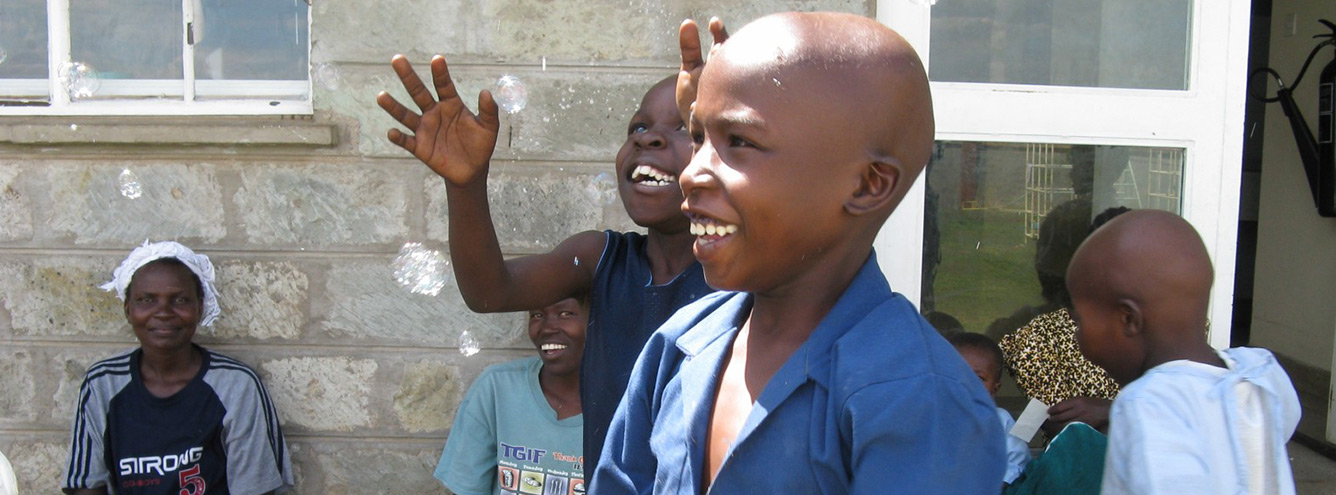
Hospitalized children in Kenya smile while blowing and catching bubbles.

Give hope - DONATE NOW!

Retinoblastoma In LMICs Today

Most children with curable eye cancer in Low- and Middle-Income Countries (LMICs) die or become completely blind.

The story of Rati’s Challenge began in Africa, where more than 2,000 children develop retinoblastoma each year across the continent.  In comparison, each year there are about 300 new diagnoses in the USA, 25 in Canada, and 50 in the UK

While three-year survival among children treated at specialist centres is as high as 66%, follow-up is often erratic, hindering the accurate recording of long-term survival.

A bald Kenyan girl clutches a blue balloon

Many children still die without diagnosis or specialist care, and five-year survival across Africa is estimated to be less than 30%, compared with survival above 98% in the USA, UK, and Canada.

Major Challenges to Survival

Most children with retinoblastoma in LMICs around the world today are still diagnosed at an advanced stage.  Some receive no treatment, while many have delayed, inappropriate, and/or incomplete therapy.  Together with overwhelming burdens on the family, these are the major challenges to survival.

Delayed Diagnosis

Awareness about childhood cancer and access to accurate information is often limited.  This leads to harmful misconceptions about signs and symptoms, treatment, and side effects.

Most families have limited access to community paediatric eye health care, impeding early detection and prompt referral to ophthalmology.

While early signs of retinoblastoma are visible to the observer, they are subtle.  A family is unlikely to spend limited funds on travel and medical bills for an eye exam for a white glow or turned eye when the child appears healthy.

Children are often not diagnosed until the cancer is very advanced and chance of cure is remote.  This perpetuates beliefs that conventional medicine does not work and cancer in children cannot be cured.

Untreated eye cancer that has spread beyond the eye mutilates the child terribly, causing immense suffering and trauma for both the child and their entire family.

Delayed, Inappropriate, Inconsistent, or Incomplete Medical Care

Medical care is hindered by the scarcity of published literature about appropriate retinoblastoma management in resource-limited countries, and limited access to existing literature.  Few professional development opportunities focused on retinoblastoma in LMICs also limits knowledge and agreement on the best way to diagnose, treat, and care for children.

Treatment in most LMICs is not free.  While some countries have national health insurance plans, they don’t always cover cancer treatment, and many children are uninsured at diagnosis.

The financial burden of medical bills causes many families to delay or abandon treatment and follow up, leading to inconsistent and incomplete care.  Families who are financially exhausted by the costs of initial treatment often lack resources for timely care when relapse occurs.  The relapse may never be treated, or therapy may begin when the cancer has become incurable.

Abandonment of therapy and follow-up care is the primary cause of treatment failure among curable children in LMICs.

Overwhelming Burdens on the Family

Lack of family support to address practical, emotional, financial, and social burdens quickly erodes hope.

Many families have long, expensive journeys to a major city and specialist hospital for care.  Often they do not have an affordable safe place to stay near the treatment facility, exposing them to danger and illness when they are already physically and emotionally drained and vulnerable.

Children and parents are thrust into a world of invasive procedures, life-altering surgery, intensive therapies, unfamiliar language, stressed communications, and uncertain futures.  These experiences can quickly overwhelm their ability to cope with each encounter.  Lack of support increases their risk for medical trauma and Post-Traumatic Stress Disorder.

Families are often separated for months or even years.  Like all families affected by childhood cancer, the affected child, siblings, parents, and other relatives can suffer emotionally long after treatment ends.  Many marriages crumble in the years during and after treatment.

Families who were relatively financially comfortable before their child’s cancer diagnosis can experience major hardship due to these burdens and the lack of support.  Families who were financially challenged before diagnosis often find themselves pushed into crippling poverty.  Some parents are forced to abandon their child in the hospital when they cannot pay their medical bills.

Sharing Hope, Saving Lives

Abandonment of treatment and death from delayed diagnosis is almost unheard of in High-Income Countries (HICs), where the main focus is preserving vision.  Yet the high cure rates achieved in HICs can be equally achieved across Africa and other resource-limited regions of the world.

Building awareness; local capacity to promptly detect, refer, diagnose, and treat retinoblastoma; and compassionate, practical family support will save many thousands of children.  This is the mission of Rati’s Challenge.

Give life and sight to a child with eye cancer today

DONATE
Share this page
  • Share on Facebook
  • Share on X
  • Share on WhatsApp
  • Share on Pinterest
  • Share on LinkedIn
  • Share on Tumblr
  • Share by Mail
  • Link to Instagram
  • Awareness Campaigns
    • International Childhood Cancer Day
    • World Rb Week
    • Gold Ribbon Month
  • Rati’s Challenge
    • In Memory of Jayne and Bella
    • Retinoblastoma in LMICs
    • Kenya National Rb Strategy
    • Early Detection
    • Child Life & Family Support
  • One Rb World
    • Best Practice Guidelines
    • One Rb World Map
    • Global Research Community
    • One Rb World Conference
  • Supporting Families
    • Retinoblastoma Information
    • Help for Individual Families
    • Social Media Groups
    • Virtual Events
    • USA Family Days
    • Family Focus at One Rb World
Give Hope - Donate Now text in white on a sunny orange gold button background that fades into red, colours reflecting the WE C Hope logo.
Subscribe to Visions of Hope - text in white on a vibran yellow button background that fades into sunny orange gold, colours reflecting the WE C Hope logo.

Retinoblastoma

  • Retinoblastoma Overview
  • Know the Glow
  • Medical Care
  • Child Life Support
  • Living With Retinoblastoma
  • Through Our Eyes

Canada

Special fund at the University Health Network

Who We Are

  • Our Mission, Values, and Goals
  • Our History
  • Daisy and Rati
  • Meet Our Team
  • Contact Us

UK

Registered Charity #: 111-11-33

What We Do

  • One Rb World
  • Rati’s Challenge
  • Awareness Campaigns
  • World Rb Week
  • Supporting Families
  • WE C Hope Blog

USA

501(c)(3) National Non Profit - EIN: 45-4886827

Get Involved

  • Subscribe to Visions of Hope eNews
  • How Your Money Helps
  • Donate Now
  • Fundraise
  • Corporate Partnerships
  • Volunteer

Kenya Partner

Kenya Childhood Cancer Trust
  • FaceBook
  • instagram
  • linkedin
  • youtube
© Copyright 2023 - WE C Hope | Disclaimer | Terms & Conditions | Privacy Policy
Scroll to top Scroll to top Scroll to top
Translate »