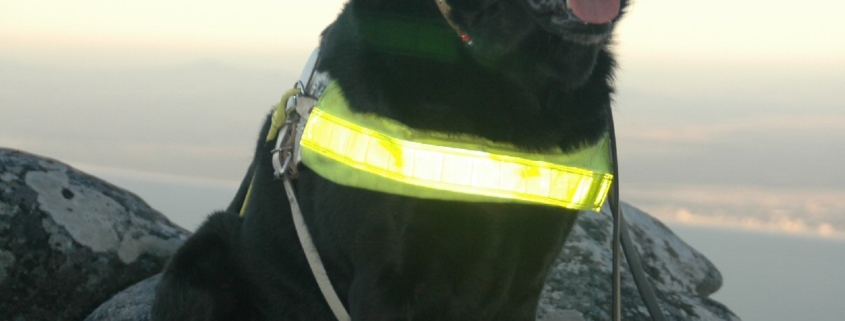
Celebrating Annie: Guide Dog Retires from WE C Hope Team

Annie, an important member of our team, retired on April 15th. Abby White, retinoblastoma survivor, WE C Hope founder and volunteer CEO, reflects on working with her guide dog for seven years. She considers the many varied gifts Annie has brought to both herself as an individual retinoblastoma survivor, and to WE C Hope.
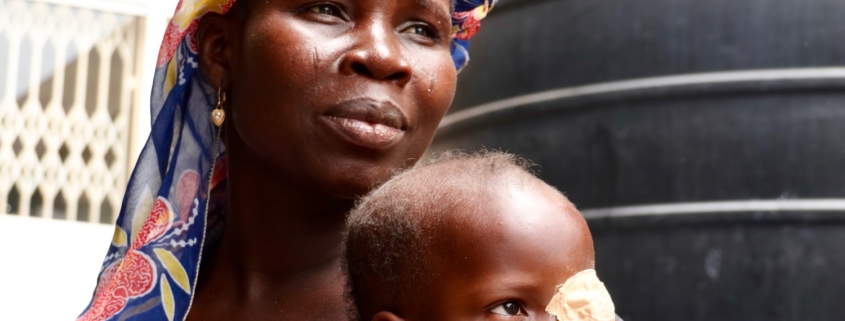
Latifa and her mother

Retinoblastoma in Ghana: Saving Children’s Life and Sight

Just 3 paediatric oncologists serve Ghana’s population of 29 million, but this dedicated team leads one of the best childhood cancer programs in West Africa. Dr. Vera Essuman (paediatric ophthalmologist) and Prof. Lorna Renner (paediatric oncologist) discuss retinoblastoma in Ghana and the development of care for children with eye cancer across the country.

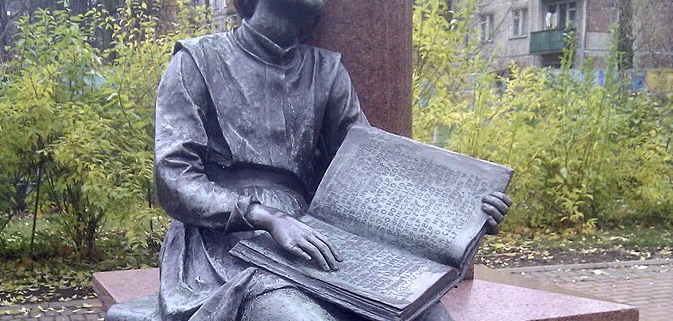
Statue of a blind girl sitting on a plinth, leaning against a post in contemplation while reading a book balanced on her knees and one hand.

Father Braille: A Wonderfully Dotty Relationship

For many individuals diagnosed with retinoblastoma, sight-loss means braille is the primary means of reading and writing. In celebration of World Braille Day on Friday January 4th, Rb survivor Ffion Miles introduces us to a very special relationship she has with six tiny dots, and the marvellous adventures they’ve shared together.

Artistic tree in white and gold ribbon on red background, surrounded by snow and tiny and large snowflakes. Below, a wave of opaque white ribbon flows across the image.

Our 2018 Blog Year in Review

The WE C Hope blog has been busy in 2018. We’ve shared 24 posts from 17 authors – parents, survivors, researchers or professionals providing retinoblastoma-related care. Each has brought valuable experience, knowledge and perspective, and we are very thankful to them all. Here is a recap of posts we’ve shared in the past 12 months.

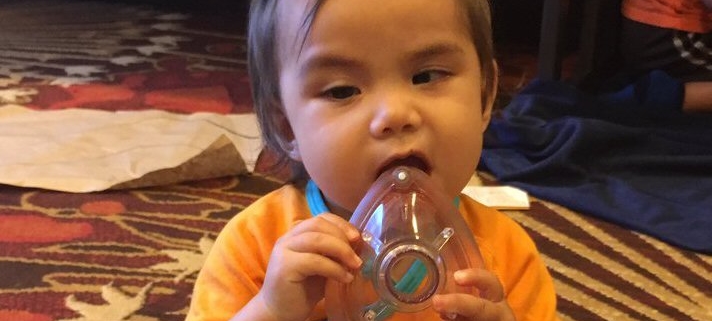
2. A baby plays with an anaesthetic mask, moving it over her mouth and nose ready to take deep breaths.

10 Commonly Confused Retinoblastoma Terms, What They Mean and Why Getting Them Right Matters.

Do you know the difference between a biopsy and pathology, or an RB1 gene deletion and Chromosome 13q deletion? Do you know how a retinoma becomes retinoblastoma or when remission becomes cure? In Part 2 of a mini-series, WE C Hope CEO Abby White explains these and other terms, and why using them correctly is important.

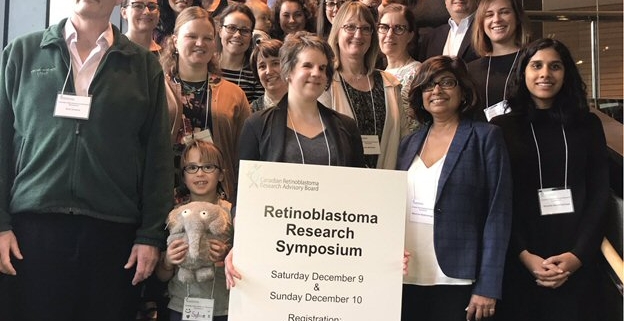
A group of people gather around a sign that says "Retinoblastoma Research Symposium, Saturday December 9 - Sunday December 10. Registration, 3rd floor lobby"

Shaping Retinoblastoma Research Development Through Patient Engagement

Parents and survivors have valuable lived experience that can shape retinoblastoma research to improve health outcomes. Kaitlyn Flegg reviews progress of the innovative Canadian Retinoblastoma Research Advisory Board, where parent and survivor priorities are setting the research agenda.

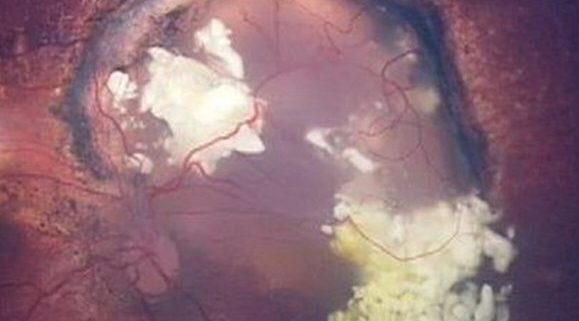
Thr same eye after treatment - the fuzzy cloud has disappeared.

Intra-Arterial Chemotherapy (IAC) for Retinoblastoma Made Simple

Intra-arterial chemotherapy (IAC) offers potential to save eyes and sight in children with retinoblastoma, when life is not at risk. Through the FAQ of this treatment, Sameh Soliman, MD reviews its goals, indications for use, benefits, risks and limitations, and offers resources for further reading.

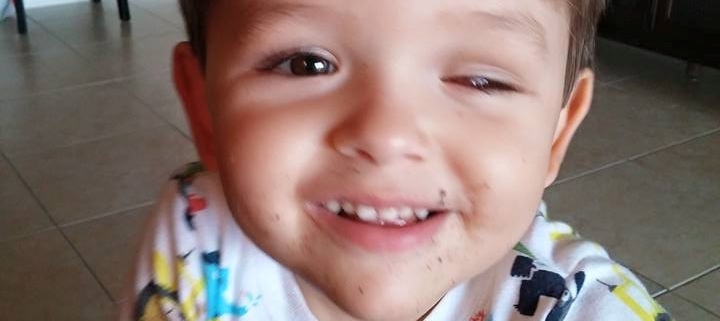
Damian

Always Life Before Eye – So Why Are Curable Children Dying?

Progress of eye-saving treatments for retinoblastoma is very exciting, but an increasing number of curable children are developing metastatic relapse and dying after eye-salvage therapy. With parent experiences woven throughout, Retinoblastoma survivor Abby White, asks why this is happening and what can be done to prevent it.

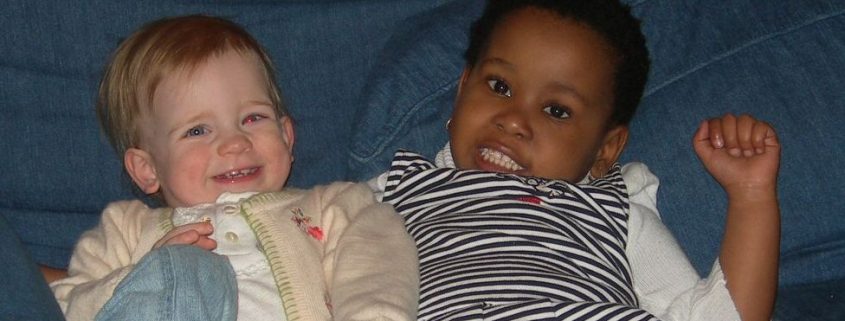
Two young girls, one Caucasian, one African, recline together on a blue sofa, smiling.

Challenging the Global Retinoblastoma Burden on World Population Day

July 11, World Population Day, focuses attention on the urgency and importance of population issues. Helen Dimaras Ph.D considers the effect of our expanding global population on the expected numbers of children who will develop eye cancer each year, and the provision of effective care to meet their needs.

"I need more sleep." Cat sleeping with head rested on a typewriter.

Sleep, Photosensitivity and Retinoblastoma

The body’s sensitive biological clock regulates sleep, which is vital to our physical and mental health. Dr. Iona Alexander explores how some effects of retinoblastoma treatment may disrupt this highly tuned system, and invites survivors to help researchers understand the relationship between these effects and sleep.