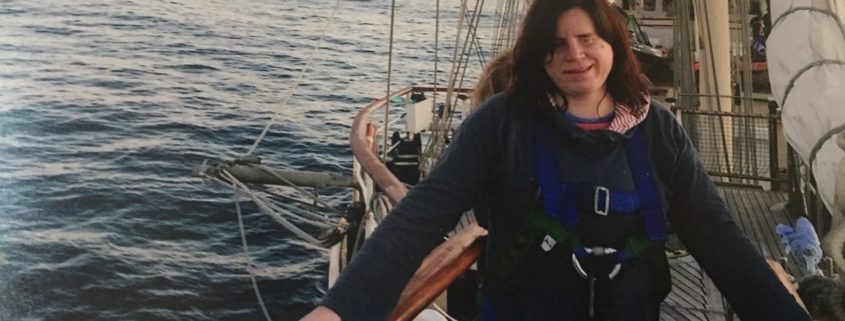
A woman wearing a harness stands on a ship high above the waves. The setting sun and sail ropes are visible behind her.

10 Things Retinoblastoma Survivors Want You To Know

Retinoblastoma is highly curable. But for many survivors, it has lifelong impacts. In 2019, our Alphabet of Hope shared survivor insights of #LifeBeyondRb. Rb Survivor and 2019 alphabet curator, Abby White, highlights 10 important messages from survivors about life beyond treatment and cure of childhood eye cancer.
Quarter view of a compass. Its gold pin points to the word SURVIVORSHIP arcing around the edge of the compass.

7 Survivorship Tips and Tricks: navigating the adult post-retinoblastoma world

Diagnosis and treatment of eye cancer in early childhood is only the start of a lifelong story for many individuals affected by retinoblastoma. Marissa Gonzalez, Rb survivor and President of World Eye Cancer Hope USA, shares seven tips for being an active participant in your retinoblastoma survivorship journey.

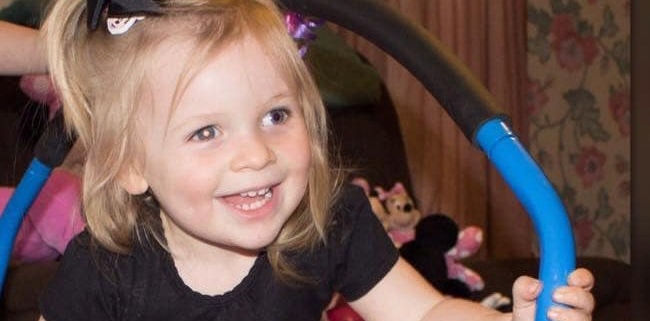
A young girl with blond hair and wearing a Minnie mouse dress is standing on a small round trampoline, holding on to the arched handle. She has a white pupil glow in one eye, and her other eye is turned outwards.

If You Tell Them, They Will Know: raising awareness of retinoblastoma signs can save lives, eyes and sight.

Strabismus (turned eye) and leukocoria (white pupil) are the most common early signs of retinoblastoma.  Sandra Staffieri, Rb Care Co-ordinator at the Royal Children’s Hospital, Melbourne, explores why parent and healthcare provider awareness of these signs is vital to early diagnosis of childhood eye cancer.

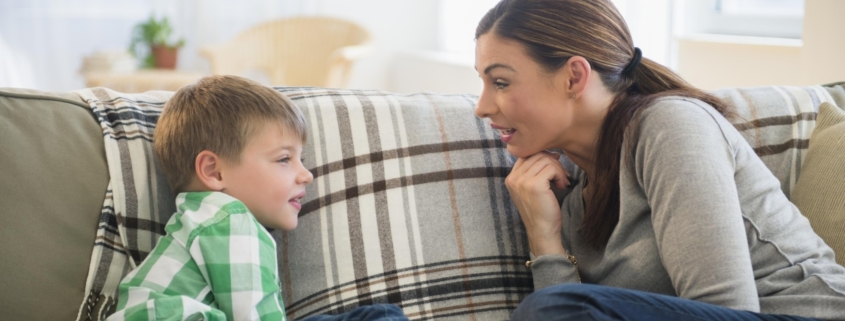
A mother and young child sit close together on a couch, facing each other in warm, engaged conversation. The child wears a green-and-white plaid shirt and appears attentive and relaxed. The mother wears a grey top and jeans, and leans forward with an expression of affection and gentle care. They are in a bright, cosy living room bathed in soft natural light. A plaid blanket is draped across the couch.

How To Support Siblings of Children With Retinoblastoma

Siblings of children with retinoblastoma often experience big fears, worries and emotions when their brother or sister is first diagnosed, during treatment, and beyond. Early Years Educator and Child Life Intern Keanna Gordon explores childhood eye cancer from the sibling’s perspective, and how parents can best support their wellbeing.

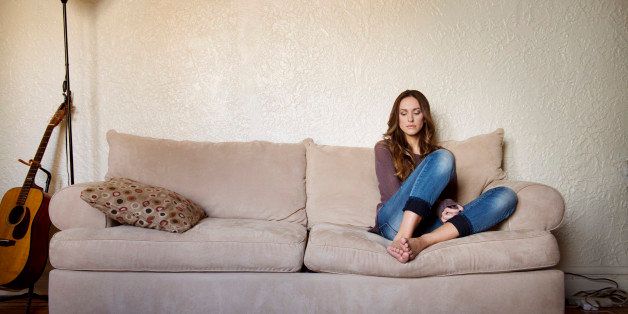
A woman sits alone on a couch at home.

Coronavirus: How to Protect Your Mental Health During Home Isolation

The coronavirus pandemic and social distancing measures are a high stress experience that may increase the risk of PTSD in an individual already susceptible due to childhood cancer trauma. Abby White explores 11 ways we can protect our mental health through the crisis, and reduce the risk of long-term negative effects.

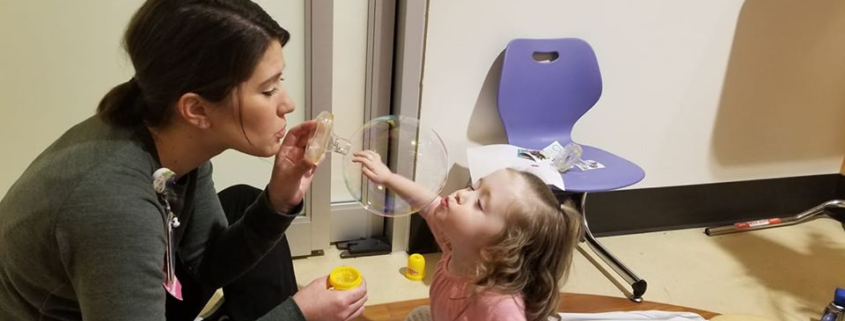
A child life specialist blows bubbles through an anesthesia mask towards a little girl

Child Life in Retinoblastoma Care

Child life can profoundly impact a child’s experience of retinoblastoma, and their quality of life. However, many children treated at specialist retinoblastoma centres lack child life support, and their parents feel unsupported, compared with other cancer patients. Abby White explores the challenges and ways to overcome them.

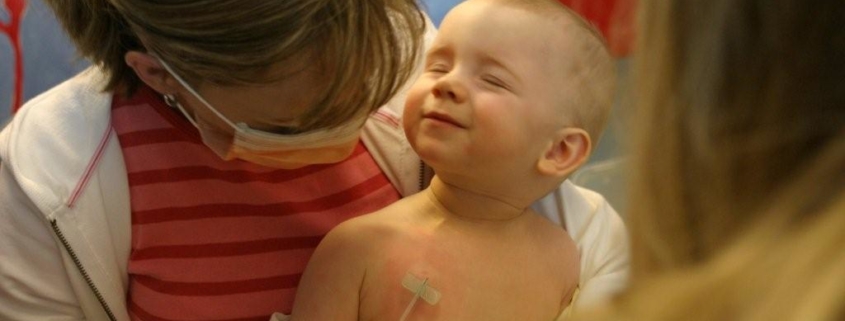
A bald toddler sits on her mother’s lap during a port access procedure. Her back rests against her mother’s chest, and her head is turned up and back towards her mother, who is leaning down in conversation. Both mother and child are white. The nurse accessing the port is seen from behind and has fair hair.

Questions About COVID-19 and Retinoblastoma

People around the world are feeling anxious about the coronavirus pandemic. We understand the concern is especially acute for parents of children with retinoblastoma, and survivors who have chronic health conditions and second cancer diagnosis. Here we answer questions we have received about the virus.

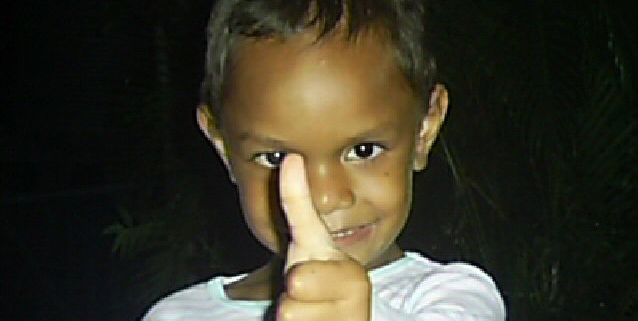
A young girl smiles broadly as she holds her arm out, thumb up.

International Care: Challenges and Opportunities

Families and medical professionals worldwide seek retinoblastoma care at centres offering treatments that are unavailable in their home country. Many families contact WE C Hope for assistance before, during or after such treatment. Abby White explores the challenges they experience and what can be done to help improve outcomes for their children.

A young girl and her father share a smile

Perfect Vision: Care and Cure for Children with Eye Cancer in Developing Countries

Retinoblastoma is highly curable with early diagnosis and modern therapies. But 90% of affected children live in developing countries, and globally, less than 3 in 10 children survive. Rb survivor and volunteer CEO, Abby White, explores the biggest challenges to care in developing countries, and some ways to overcome them.

A graphic design primarily in dark tones with a central visual of an open book, its fan of pages emitting a glowing, golden light that spreads outwards. Above the book, the words "Speak Up!" are emphasised in a large, sparkling gold font. Below the book, plain gold text reads "Share Your Retinoblastoma Story". The overall aesthetic is inspiration, awareness, and hope, and the open sharing of stories and information.

4 Key Ways Sharing Your Story Makes a Difference, and Tips for Telling

Every individual in the retinoblastoma community has a unique story to tell – whether parent, survivor, sibling, professional, extended family member or supporter. Abby White explores the importance of storytelling, and the many ways in which sharing your story can make a difference – to your own life, and to the world.