Transforming Paediatric Care: Child life in Low- and Middle-income Countries
Monday May 12, 2025
Most children in low- and middle-income countries face hospitalization without the vital psychosocial support they need. WE C Hope’s Certified Child Life Specialist Morgan Livingstone shares how sustainable child life programs are transforming paediatric care in under-resourced settings. She explores the power of partnership, training, and local leadership in building sustainable child life services that meet unique community needs.

Making friends and building trust during WE C Hope’s very first child life pilot program in Kisumu, Kenya, November 2007.
Before Child Life: Amara’s Story
When three-year-old Amara arrived at the hospital with a swollen, painful eye, her family had already traveled far from their rural village in western Kenya. The waiting area was overcrowded and unfamiliar. On the ward, the sounds of crying children and beeping machines felt overwhelming. Her mother, terrified and uncertain, received little information about procedures and what they involved.
Amara was whisked away for invasive tests and treatment with no preparation. No one told her what would happen or why. She clung to her mother, trying hard not to cry; her body tense with fear and anxiety. In this unfamiliar place, surrounded by strange people and equipment, Amara felt utterly alone.
Amara’s story is just one of many, and completely preventable suffering. It’s where our journey towards sustainable, collaborative child life programing begins.
Child Life Begins with Trust and Collaboration
Building sustainable Child Life Specialist programs in healthcare settings across low- and middle-income countries (LMICs) has been a deep and ongoing commitment in my career. My approach is rooted in relationship-building, capacity development, and cultural humility – recognizing that sustainable impact only happens when programs are co-created with local partners, adapted to fit community-specific needs, and led by those who live and work within those systems.
In each setting, I start by listening – learning from local healthcare teams, educators, and families to understand the lived experiences of children in medical settings. From there, I collaborate with institutions and professionals to design and implement tailored Child Life training models that reflect both global best practices and the local context. Sustainability means more than delivering training; it’s about mentoring emerging leaders, fostering networks of support, and helping establish policies and structures that embed child- and family-centered care as a permanent part of pediatric healthcare systems.
One of the most fulfilling aspects of this work is seeing how child life practices – when locally owned and appropriately resourced – can transform pediatric healthcare experiences. Children in LMICs often face multiple layers of vulnerability in medical environments, and creating psychosocial programs that are consistent, evidence-informed, and responsive to those realities is both urgent and deeply meaningful.
My goal is always to walk alongside local professionals, not in front of them. Together, we build something that can grow long after the pilot phase ends – programs that don’t rely on one individual, but are embedded in the values and strengths of the healthcare system itself.
Bringing Comfort and Courage
World Eye Cancer Hope has helped plant seeds that are now growing sustainable Child Life Services in Kenya and beyond.
In a bustling pediatric oncology ward at Moi Teaching and Referral Hospital in Eldoret, Kenya, something remarkable has been unfolding over the past 18 years. Thanks to the vision and commitment of World Eye Cancer Hope and many others, children facing life-threatening eye cancer are now met not only with skilled medical care, but also with emotional support, play, and culturally grounded psychosocial preparation.
This transformation has happened through the development of a locally staffed Child Life program, the first of its kind in the country – the first in Africa.
Read about the evolution of the incredible Sally Test Child Life Program.
Why Child Life in Kenya?
In high-stress hospital environments, children experience fear, pain, and confusion – emotions that can compound the trauma of a serious diagnosis like retinoblastoma. Child Life Specialists are trained professionals who help children cope with hospitalization through developmentally appropriate preparation, play, and emotional support.
In countries like Kenya, where pediatric psychosocial support has historically been limited, the role of Child Life is even more vital. Recognizing this gap, WE C Hope launched an initiative to introduce Child Life services. I began providing annual child life training and clinical supervision while developing a sustainable, local team that could grow the profession from within.


The Kenya Association of Child Life breathes light and hope into children’s medical experiences.
Partnership in Action: Moi Teaching and Referral Hospital
Located in western Kenya, Moi Teaching and Referral Hospital (MTRH) is one of the country’s largest and most respected academic medical centers. It serves thousands of children each year, including many with cancer, and is a training hub for future healthcare providers.
In partnership with MTRH leadership, child life trainings began laying the groundwork for a culturally relevant Child Life program. This wasn’t about importing a model – we were co-creating a new system of support that would be sustainable, sensitive, and scalable. Child life would be provided to all paediatric patients, in all areas of MTRH, not just oncology.
Building Local Capacity, One Specialist at a Time
Rather than relying on rotating international volunteers, WE C Hope was invested in the long-term success of Kenyan healthcare professionals. Through intensive training, mentorship, and international collaboration, a cohort of local staff has being equipped to serve as full-time Child Life Specialists.
Child life team members learned how to:
- Prepare children for procedures in developmentally-appropriate ways using play, custom made preparation books and enriched technology
- Use play to reduce anxiety and normalize the hospital experience
- Offer non-pharmacological pain management strategies during procedures, assessments and treatment.
- Support family members and promote resilience
- Advocate for the psychosocial needs of children in interdisciplinary care
- Provide unique resilience-based supports and activities for children that are living with a palliative diagnosis
This locally led team is providing daily support to all pediatric patients, especially those receiving treatment for eye cancer.
A Model for Sustainable Psychosocial Care
What sets this program apart is its commitment to sustainability and equity. This is more than training individuals, this is about building a profession. The work at MTRH includes:
- Embedding Child Life in hospital culture and policy
- Collaborating with academic institutions for future certification pathways in Africa
- Developing regionally relevant materials and play resources
- Cultivating partnerships with local and global experts
The Road Ahead: Growing Hope Across Borders
As the child life program in MTRH continues to spread its roots, its impact is already being felt. Children are laughing more, families are feeling seen and supported, and healthcare providers are recognizing the essential role of psychosocial care. When parents feel more hopeful, informed, and empowered, their children are more likely to complete prescribed medical care, improving their health outcomes.
World Eye Cancer Hope’s work is a shining example of how global partnerships can uplift local leaders, center community voices, and transform pediatric healthcare – one child, one story, one smile at a time.

Child life specialists Morgan Livingstone (Canada), Augusta Asiedu-Lartey (Ghana), Martha Kaimuri (Kenya), and Jonita Ntlhaile (South Africa) at the first ISOO Africa Congress, Mombassa, Kenya, August 2023. ISOO is the International Society of Ocular Oncology.
Child life internships in Africa
A new way forward for African child life training
Thanks to a grant from Child’s Play Charity to World Eye Cancer Hope, I was able to provide special training and clinical supervision for child life interns from west and southern Africa. Augusta Asiedua is currently working at Korle Bu in Accra, Ghana, supported by World Child Cancer. Jonita Ntlhaile is presently working at Wits Donald Gordon Medical Centre in Johannesburg, South Africa. The funding enabled both ladies to complete internships in Kenya, expanding valuable skills and supports across the continent.
Manager Liz Kabuthi, and the entire child life team at MTRH, welcomed Jonita and Augusta as interns in Eldoret, Kenya in 2023.
Part of this child life training and internship was hosted by The Living Room Hospital and hospice, allowing Jonita and Augusta a diverse experience. From acute care child life programming within the child life program at MTRH, and end of life supportive care and legacy building within the beautiful grounds of the Living Room hospital and hospice in suburban Eldoret.
During this rigorous internship, they participated in hands on learning with the child life team. They also developed their own clinical board games, learned about the importance of technology within the child life program and all areas of pediatrics in the hospital, and co-created a preparation book for children having an X-Ray.
Working directly with patients of all ages, Jonita and Augusta supported children in being active participants during dressing changes, prepared children for surgery, and offered games and creative and expressive arts activities in each of the different ward playrooms at the hospital and hospice.

Back row from left: Martha, Mike, Maggy A, Bilha, Liz, Hellen, Winnie, Triza, Regina, Hudson. Middle row from left: Maggy N, Dennis, Harrizone, Cathy, Dorothy, Naum. Front row: Phillister.
Children’s Rights in Healthcare
Children cope in their own unique way with healthcare experiences, and often display negative reactions to medical procedures with potential for immediate and long-term psychological impact. This can include eating and sleeping disturbances, decreased cooperative behaviour, increased fear, and post-traumatic stress (Thompson, et al. 2018).
The UN convention on the rights of the child (UN- CRC) states that children should have access to the resources they need to secure their rights, and the focus of best interests of the child be of the highest importance (United Nations General Assembly, 1989).
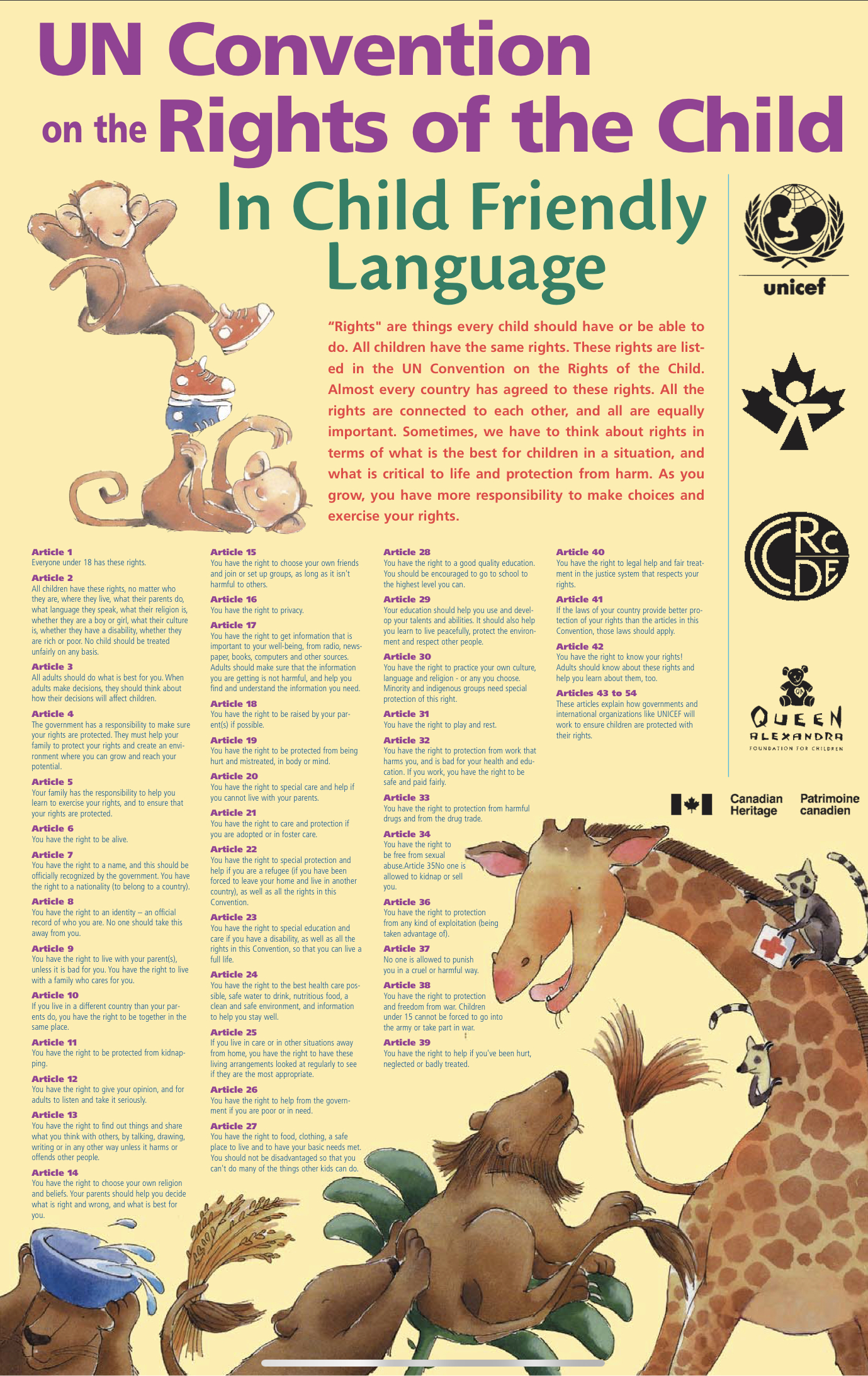
The UN-CRC outlines a framework for incorporating children’s rights into healthcare, ensuring that children can access medical care in ways that minimize their suffering, reduce psychological harm, and support their overall development. Children have the right to express their views, have their questions answered, manage their pain effectively, have familiar caregivers present during challenging procedures, and have opportunities to play and learn even while undergoing medical treatment (Canadian Institute of Child Health, 2002; Desai et al., 2018).
The growth of child life specialists and the expansion of child life programs globally are well-positioned to strengthen children’s rights in healthcare settings, particularly in low- and middle-income countries (LMICs), where such rights are often at greater risk. Child life specialists are uniquely trained to advocate for the emotional, developmental, and psychosocial needs of children, ensuring their voices are heard, their pain is managed, and their experiences are understood and respected.
As child life programs expand globally, they bring structured support that promotes the principles outlined in the UN-CRC, such as minimizing psychological harm, preserving opportunities for play and learning, and fostering family-centered care.
In LMICs, where healthcare systems may be under-resourced and heavily task-focused, the integration of child life services offers a critical pathway to humanizing medical care and upholding children’s rights. By educating healthcare teams, empowering families, and creating developmentally appropriate interventions, child life specialists help bridge gaps in care that disproportionately affect vulnerable pediatric populations.
Their presence not only enhances the immediate patient experience, but also builds capacity within healthcare systems to deliver more equitable, rights-based care for children over time.
The future of Child life in LMICs
Cuts to global health funding have a profound ripple effect on child life programs in low- and middle-income countries (LMICs), where such services are often still in the early stages of development.
These programs provide essential psychosocial support to children and families navigating hospitalization and serious, life-threatening diagnoses. They depend heavily on international partnerships, training opportunities, and seed funding to become established and sustainable.
When funding is reduced, it directly threatens the ability to train local Child Life Specialists, integrate services into healthcare systems, and provide culturally appropriate materials and resources.
Ultimately, these cuts compromise the emotional well-being of vulnerable pediatric populations. They widen disparities in care, and undermine efforts to build resilient, compassionate, holistic health systems and child life programs in resource-limited settings.
Presently, Child Life-focused academic masters programs are in development at the University of Ghana and the Wits University in South Africa that hope to serve local growth of child life services within their healthcare system. The ability to offer internships in Africa remains limited to the STPC program in Kenya, with two highly experienced certified child life specialist on the team providing clinical child life supervision.
As we continue to build child life programming, academic programs and trainings across Africa and beyond, we look forward with optimism – hopeful for a future where every child, regardless of geography or resources, receives developmentally appropriate, emotionally supportive healthcare.
We envision a global community of empowered professionals who honor local culture, collaborate across disciplines, and advocate fiercely for the rights and well-being of children and families in healthcare settings.

Play helps this child learn about, become familiar with, and gain mastery in medical procedures that might otherwise be overwhelming.

Augusta helps the child learn about and prepare for a new procedure using a photobook she and Jonita created during their training in Eldoret.

From seed to strength – Augusta and Jonita are planting the seeds of hope, healing, and sustainable child life in Ghana and South Africa.

Medical play doll, Kevin, reminds us that with care, the smallest seeds can grow deep roots, stand strong, and offer lasting support.
From Surviving to Thriving for Amara – and Many More
Child life came to Kenya shortly after Amara was diagnosed. With this support, she began to walk through the same hospital corridors with a sense of calm and curiosity. Child Life Specialists in-training gently explained upcoming procedures through picture books and play. She chose toys to distract herself and regain control, and found she loved to paint to express the feelings she had no words for. Her mother felt seen and supported, no longer navigating her daughter’s cancer in silence.
The transformation was profound – not just in Amara’s ability to cope, but in the hospital’s very culture of care. Through child life services, Amara and her mother were no longer just surviving the cancer journey. They were embracing it with courage, confidence, and the comforting presence of a team that understands the healing power of emotional support.
Please consider donating to WE C Hope child life programming that we offer both locally and globally to meet children’s needs in healthcare.
Follow Our Partners and Friends!
World Child Cancer (website)
Sally Test Child Life Program @ MTRH (Facebook)
African Child Life (Instagram)
References
- Thompson, R. H. (Ed.). (2018). The handbook of child life: A guide for pediatric psychosocial care (2nd ed.). Charles C Thomas.
- Canadian Institute of Child Health. (2002). The rights of the child in the health care system. Canadian Institute of Child Health.
- Desai, P. P., Crowell-Petrungaro, T., Moltman, M., & Fenn, L. D. (2018). Child life: A global perspective. In R. H. Thompson (Ed.), The handbook of child life: A guide for pediatric psychosocial care (2nd ed., pp. 572–609). Charles C Thomas.
About the Author
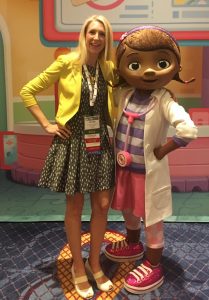 Morgan Livingstone MA CCLS CIIT/CIMI-2 is a Certified Child Life Specialist and Certified Infant Massage Instructor/Trainer. She is passionate about improved child life and psychosocial supports for children and families affected by retinoblastoma.
As the Child Life Officer of World Eye Cancer Hope, Morgan contributes to the website’s Child Life sections, and speaks globally about child life supports for children with retinoblastoma.
Since 2017, Morgan has provided enriched multi-day child life programming for children of all ages at the Canadian Retinoblastoma Research Advisory Board meetings and the One Retinoblastoma World conference.
Morgan also writes and creates resources for children and adults, and participates in child life research studies. She won the inaugural Innovation Grant at Operation Smile for developing an APP that uses Virtual Reality to prepare children receiving cleft lip and palate surgery for their operation.
Download Morgan’s helpful parent manual for supporting children’s worries using Worry Eaters.




Share this entry