
It Doesn’t Have to Hurt: How to Make Needle Procedures Kinder for Kids
Originally published 2020 in our Procedure Support section.
Updated and republished Monday January 5, 2026 for the Child Life in Rb Care Campaign
Routine blood tests and immunizations often cause pain and fear. Retinoblastoma screening, diagnosis, treatment and follow-up care involves countless needle procedures. It doesn’t have to hurt! Parents and professionals can bring comfort and calm to any needle procedure. Rb survivor and WE C Hope founder, Abby White; and Child Life Specialist, Morgan Livingstone, explore practical, evidence-based ways to reduce needle pain and support healthy coping for babies and children.
Around the world, newborn babies experience many painful procedures in their first hours and days of life as part of routine medical care. Healthy children can experience more than 20 needle procedures in the first two years of life. Only 5% of all children undergoing immunization have support for needle pain.
Premature babies and seriously ill children can experience as many as 16 painful procedures every day.
Babies and children with retinoblastoma or at risk for this cancer experience many painful needle procedures throughout years of surveillance, treatment and follow-up care.

Lack of effective pain management during every procedure causes unnecessary distress to the child, their parent and the professionals delivering care, which can make it more difficult to complete these procedures effectively and safely.
Cumulative emotional and physical impacts of repeated painful procedures often lead to hidden psychological scars that can affect overall health and well-being, and influence healthcare seeking behaviour throughout life. Anxiety and lack of knowledge about how to effectively support their child can sometimes lead parents to refuse vital immunizations.
In This Article…
- Kangaroo Care – skin-to-skin contact
- Breastfeeding – nourishing pain relief and comfort
- Sugar Water – weet, soothing pain relief
- Comfort Positions – positive touch provides security
- Distraction Play – fun focus on something else
- Buzzy – cool vibration takes the sting out of shots
Ask and Explain – communication Is key
It Doesn’t Have To Hurt
Babies and young children feel pain, but they have few coping skills and means of letting their carers know what they are experiencing. Research has identified many ways to effectively manage their pain – supports that parents / carers and medical professionals can use easily and quickly with no or very low cost.
#ItDoesntHaveToHurt is a Canadian and global social media campaign from the Center for Pediatric Pain Research at IWK Health Centre in Halifax, Nova Scotia. Putting practical knowledge into the hands of all who care for children in pain.
The campaign website gathers together all research projects, findings, educational tools, calls for research participants and more. Sub-sections focus on children’s cancer pain and pain in childhood cancer survivors, as well as other types of childhood pain.
Watch this powerful TEDx Talk from campaign research lead, Dr. Christine Chambers. She discusses the history of children’s pain management (or lack of), challenges of pain management in care of babies and young children who undergo frequent medical procedures, the consequences of inadequate pain care, and ways to reduce their pain.
Support for Infants
Many patients with retinoblastoma or at risk for the cancer are very young babies. Parents and health care professionals can use a few simple techniques to reduce stress and improve coping during medical procedures, from simple routine vaccinations to blood draws and complex cancer care.
1. Kangaroo Care – Skin-to-Skin Contact
Holding a baby, clothed only in a nappy/diaper, facing you against your bare chest is known as skin-to-skin contact or Kangaroo Care. Ideally, it begins 15 minutes before a painful procedure, but as little as 2 minutes beforehand can be beneficial. A blanket, shirt or hospital gown with front opening can be worn over the top for privacy, comfort and warmth. Kangaroo Care can be practiced by mothers, fathers or other individuals providing loving care to the infant.
Kangaroo care has many benefits, from balancing the baby’s pain responses to stabilising heart rate and breathing, and accelerating their recovery. This simple, soothing positive touch builds parent confidence in holding their baby, and encourages bonding, particularly in times of illness and intense medical care.
2. Breastfeeding – Nourishing Pain Relief and Comfort
Research from Children’s Hospital of Eastern Ontario shows that breastfeeding before, during and after the procedure reduces pain and improves coping in babies under 12 months old. The soothing effects of Kangaroo Care and breastfeeding are increased when combined.
For best effect, begin breastfeeding 2-5 minutes before the procedure. If a second procedure is required on the opposite limb, reposition your baby on the opposite breast. Sufficient time should be given to ensure both mother and baby are comfortable, with a secure latch, before continuing the procedure.
3. Sugar Water – Sweet, Soothing Pain Relief
Sucrose or sugar water aids coping in babies and young children during painful procedures by promoting non-nutritive sucking. Sucking is one of a baby’s natural coping strategies. The sweet taste encourages sucking and, with the introduction of a soother/pacifier, can have a positive impact on the brain’s response to pain. Sucking on sucrose/sugar water, before and during the procedure can significantly improve a child’s experience of the event.
In hospitals, staff have access to medically prepared sucrose in one-dose packaging, but you can make your own at home.
How to Make Sugar Water Solution
- Mix 1 pack of sugar (1 teaspoon / 5ml) in 2 teaspoons / 10ml of water.
- Use distilled or boiled water.
- Only use tap water in older children if you know it is safe to drink.
How to Give Sugar Water
- Begin giving sugar water 1-2 minutes before the procedure.
- Put a drop at a time into your baby’s mouth, using a dropper, syringe or medicine cup.
- Put the solution to towards your baby’s cheek. Do not squirt sugar water into the middle of the mouth as this will cause them to gag and spit the solution.
- Alternatively, dip a soother in the sugar water, and give it to your baby to suck on throughout the procedure.
- Only use sugar water as a pain management tool, not for general comfort, nourishment or treat.
Read our June 2018 blog from Morgan Livingstone CCLS, which provides more guidance and practical tools to support infant mental health through retinoblastoma care and painful procedures.
Support for Older Children
Advocate – Be a Calm Supporter
Children take their cues from the words, actions and emotions of parents and other significant people around them. If you are anxious or show upset about a procedure, your child is likely to respond with anxiety and upset. If you stay calm, you will be more able to offer support, and your child will be more likely to stay calm too.
Take some deep, balancing breaths – use a technique like the one described in the video below. Use a soothing voice to reassure, comfort, encourage, and distract your child.
Be Prepared – A Coping Plan Makes All the Difference
When you have a coping plan prepared in advance, you and your child will be less apprehensive and feel a greater sense of control over the experience. This can include practicing comfort positions and identifying which you and your child prefer for specific procedures, and choosing appropriate distraction activities together (see below for more information about comfort positions and distraction).
Medical play for procedure preparation helps young children process their experiences. Through medically themed play with real or toy medical equipment, dolls and teddy bears, children can safely learn to master medical procedures and navigate their own health care experience. Therapeutic play helps reduce anxiety and empowers children to be active participants in their own medical care.
Comfort Positions – Positive Touch Provides Security
Positioning parent and child effectively can reduce anxiety and fear, and create a sense of control and involvement in the process. Comfort holds improve the child’s ability to co-operate during procedures, and enhance safety for all involved.
Basic positions can be used for different procedures, or chosen depending on the child’s specific preference. The parent’s positive touch and the sense of security their hold provides can significantly calm a distressed child, and reduce stress for both parents and professionals providing care.
Take time to learn and practice the positions together. By exploring the different comfort positions with your infant, you will find preferred positions for each routine procedure you can expect at appointments. You can even become an expert problem solver, figuring out creative positions for new or unexpected procedures.
Distraction Play – Fun Focus on Something Else
Distraction activities and toys reduce stress, increase cooperation and create fun for children undergoing procedures and/or coping with pain. When selecting a distraction method, allow children to make choices whenever possible to ensure they feel a sense of involvement and control, and to increase the likelihood that the tool will have the desired effect.
You can purchase distraction items, but many distraction activities can be found or created at home, or created without any resources at all. Bubbles, pinwheels, magic wands, rainshakers, books, smartphone apps, stress balls, light up toys, singing, and massage can all be used effectively during painful needle procedures. Offer a wide variety of distraction activities, and do ask children if they have a preferred distraction for certain procedures – port access, blood draw, immunization, etc.
Don’t tell your child the procedure will be over soon, or that it won’t hurt. This only draws everyone’s attention to the approaching discomfort and could increase a child’s worry about it. Your child may be less able to trust you or be comforted by you in the future. This also suggests the procedure will be painful, when in fact some children report they experience little discomfort to no pain at times.
Children who are vigilant may need to understand each step of the procedure and practice it before to help develop familiarity and a sense of mastery about what will happen. These children often need to watch what is happening during a procedure to feel comfortable, and use their coping plan to manage BIG feelings and get through the procedure.
For children who are avoidant, and don’t want to watch, your goal as a caregiver is to divert your child’s attention completely away from the procedure while it takes place. If their focus is interrupted by the sensations they experience or the activity happening around them, you can quietly redirect them back to the distraction.
Distraction Play Guidance for Parents
Distraction Play Guidance for Professionals
Buzzy – Cool Vibration Takes the Sting Out of Shots
Too many of us grow up afraid of needle-stings. Meet Buzzy®, a bee on a mission to reduce pain and fear. This cute, reusable device from Pain Care Labs combines gentle high-frequency vibration with detachable ice-pack wings. The two sensations work together to block sharp pain signals before they reach the brain – a process called “gate control”. This is a portable, drug-free way to help children feel calmer and in control during procedures. There are now 2 versions of Buzzy: the original Bee and “Lady Buzz” that looks like a ladybug.
Buzzy was invented by paediatric emergency physician and scientist, Dr Amy Baxter, who wanted to make needle procedures kinder for children and parents. With NIH (US) research grants, the device has been tested, refined, and studied in dozens of clinical trials. Evidence shows Buzzy reduces needle pain and distress for varied procedures across ages and settings.
Families and clinical teams around the world now use Buzzy for immunisations, heal pricks, finger-sticks, blood draws, inserting IVs, port access, and many other needle procedures – in doctor’s offices, clinics, hospital outpatient and inpatient care, and at home. He’s small and simple to use.
To use Buzzy:
- Freeze the ice wings solid.
- Place Buzzy directly on or just above the needle site – “between the brain and the pain”, with the wider rear end nearest the needle site.
- Switch on 30–60 seconds before the procedure and leave on throughout.
- Slide Buzzy 2-5cm above the needle site just before the procedure.
- Hold in place by hand, strap, or a tourniquet.
Avoid use over broken skin, and use caution when the child is sensitive to cold. Check your hospital’s policy before using Buzzy, and follow their guidance. For example, your medical team may advise placing Buzzy near, not directly on, the cleaned needle site for 30-60 seconds before the procedure.
Using Buzzy with ice wings is recommended for maximum pain management. However, some clinical protocols advise using Buzzy with ice from around 2 years old, without ice before two years old, and only with professional supervision for infants.
Buzzy gives children choice and control during their procedure, from a very young age. With preparation, they can be active participants, helping to pick the strap or hold Buzzy, press the on-button, or focus on the buzzing/cold sensation and other guided distractions. Their sense of agency improves coping and cooperation, especially when paired with comfort positions and distraction play.
Buzzy is available to buy directly from Pain Care Labs and from international distributors. Both as a healthcare-grade model for multi-patient use, and an affordable personal model for families. Plus straps, replacement wings, Bee-stractor cards for distraction play, and more.
Find Your Nearest Buzzy International Dstributor – from Brazil to Singapore, Australia to the UK, Buzzy is flying to children’s aid around the world.
How To Use Buzzy – and more
This video is part of a comprehensive Buzzy Playlist, ncluding procedure-specific videos (IV insertion, port access, injections at different sites, heal prick, finger stick and much more). Use the PLAYLIST button on the top right of the video viwer to navigate through the full playlist.
Ask and Explain – Communication Is Key
Research from the Center for Pediatric Pain Research found that parents don’t ask for pain management because doctors don’t offer it, and doctors don’t offer solutions because parents don’t ask. Child and parent experiences can lead to medical anxiety that persists throughout life. But It Doesn’t Have To Hurt!
On 1st November 2019, The Canadian Paediatric Society published a Position Statement with detailed guidance on Managing pain and distress in children undergoing brief diagnostic and therapeutic procedures. The resource includes all supports described here, and more.
These basic supports are among the most important child life skills parents and medical professionals can learn to support children through needle procedures. Whether the child needs only routine interventions in the course of healthy early years, or complex life-saving care, we can bring immense comfort, calm and practicality to the procedure.
Parents, please ask the medical team how to manage your child’s pain during a specific procedure, and for support to use the techniques described above. Medical professionals, please learn the recommended options for different procedures, and incorporate them into regular practice. Simple supports can help make needle related care easier for everyone involved.
Review All Needle Related Procedure Supports
About the Authors
Abby’s father was diagnosed with bilateral retinoblastoma in Kenya in 1946. Abby was also born with cancer in both eyes. She has an artificial eye and limited vision in her left eye that is now failing due to late effects of radiotherapy in infancy.
Abby studied geography at university, with emphasis on development in sub-Saharan Africa. She co-founded WE C Hope with Brenda Gallie, responding to the needs of one child and the desire to help many in developing countries. After receiving many requests for help from American families and adult survivors, she co-founded the US chapter to bring hope and encourage action across the country.
Abby enjoys listening to audio books, creative writing, open water swimming and long country walks.

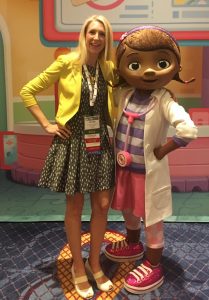 Morgan Livingstone MA CCLS CIIT/CIMI-2 is a Certified Child Life Specialist and Certified Infant Massage Instructor/Trainer. She is passionate about improved child life and psychosocial supports for children and families affected by retinoblastoma.
As the Child Life Officer of World Eye Cancer Hope, Morgan contributes to the website’s Child Life sections, and speaks globally about child life supports for children with retinoblastoma.
Since 2017, Morgan has provided enriched multi-day child life programming for children of all ages at the Canadian Retinoblastoma Research Advisory Board meetings and the One Retinoblastoma World conference.
Morgan also writes and creates resources for children and adults, and participates in child life research studies. She won the inaugural Innovation Grant at Operation Smile for developing an APP that uses Virtual Reality to prepare children receiving cleft lip and palate surgery for their operation.
Download Morgan’s helpful parent manual for supporting children’s worries using Worry Eaters.
You May Also Like…
7 Ways Caregivers Can Support Infant Mental Health during Cancer Care.
Infants experience a wide range of emotions, the depths of which are just beginning to be understood. Morgan Livingstone CCLS discusses how the external environment influences infant mental health, and the varied ways parents and medical professionals can help babies cope and thrive through medical interventions.
Breastfeeding When Your Child Has Retinoblastoma
Breastfeeding is one of the many decisions parents navigate when their baby or toddler has retinoblastoma. Paediatric nurse and child life specialist, Cindy Pilchuk, explores the benefits and challenges of breastfeeding through treatment, with practical tips for continuing or re-starting breastfeeding, weaning after diagnosis, maintaining milk supply, and comfort supports for both mother and child.
Comfort Positions: How to Help Children Feel Safe and Supported During Medical Procedures
Medical procedures can be stressful for children, often leading to fear, resistance, and lasting anxiety. Comfort Positions offer a simple and powerful way to ease distress, ensuring a safer, more supportive experience for children, caregivers, and medical teams. WE C Hope CEO, Abby White, and Child Life Specialist, Morgan Livingstone, explore how comfort positioning transforms medical care, fostering trust, cooperation, and emotional well-being.
Distraction in Action: How to Build Kids’ Confidence and Comfort in Medical Care
Medical care can be overwhelming for children and their family, causing fear and distress. Without support, these experiences can escalate into medical trauma. WE C Hope CEO, Abby White, and Child Life Specialist, Morgan Livingstone, explore how simple distraction tools reduce anxiety, increase cooperation, and empower both children and caregivers to be calm, confident participants, even in complex medical care.
How to Advocate for Child Life Support in Your Child’s Medical Care
Parenting children through retinoblastoma is tough. Being their chief advocate is one of your most important roles throughout their cancer experience. Rb Survivor and WE C Hope CEO, Abby White, discusses why parents and caregivers should advocate for child life support, how to ask for child life services, and how to work effectively with child life professionals for the best outcomes.




Leave a Reply
Want to join the discussion?Feel free to contribute!