
Distraction in Action: How to Build Kids’ Confidence and Comfort in Medical Care
Monday March 31, 2025
Medical care can be overwhelming for children and their family, causing fear and distress. Without support, these experiences can escalate into medical trauma. WE C Hope CEO, Abby White, and Child Life Specialist, Morgan Livingstone, explore how simple distraction tools reduce anxiety, increase cooperation, and empower both children and caregivers to be calm, confident participants, even in complex medical care.

Bubbles are one of the best distraction tools for children before, during and after a medical procedure. Babies and young children are fascinated by their floating, iridescent “magic”. Older children may find watching them to be soothing and meditative. Blowing bubbles helps children of all ages and their caregivers take slow, deep breaths, stimulating the body’s natural calming response.
Stressful Medical Moments Are Common
Eighteen month old Katie and her parents arrive at the hospital before dawn for her eye exam under anaesthetic (EUA) – the fifth one since her diagnosis. Ahead of her is a day of potentially stressful medical procedures – stinging eye drops, vital signs, blood draw, the anaesthetic mask, removing her IV after surgery, and more. Katie knows what’s in store, and she senses her parents’ unease; she’s already restless before they check in.
The clinical setting, unfamiliar equipment, and the anticipation of discomfort can quickly overwhelm even the most stoic child. These moments are equally challenging for parents and caregivers, often filled with anxiety and a deep desire to ease the child’s distress.
Enter distraction – a powerful tool that turns the medical experience into a manageable, even positive, encounter for everyone involved.
The Impact of No Distraction Support
Without distraction, medical procedures can escalate in difficulty. Children may express greater fear and worry that can lead to anxiety, emotional distress, and physical resistance, making the process longer and more traumatic. Watching their child struggle can lead parents to feelings of helplessness, failure, guilt, and shame. Over time, repeated negative experiences can create long-lasting medical anxiety, making future visits even harder.
Medical professionals also face increased stress when a distressed child resists procedures. More staff are often needed to complete the procedure and provide restraint to ensure the child is safe and won’t hurt themself or others. Simple procedures often take longer or can be unsuccessful when a child is distressed. Sedative medication may also be prescribed to complete the procedure, requiring even more staff to assist. The procedure may be delayed or rescheduled, placing pressure on the team.
Distraction Helps Children Cope and Be Successful
Distraction helps children manage fear, tension, and pain. By redirecting their attention to engaging or soothing activities, distraction reduces anxiety and empowers the child with a sense of control over their medical experience.
Distraction is a collaborative effort between the facilitator and child to provide a positive focus, reducing stress for everyone.
For distraction to be most effective, the facilitator – whether a parent, caregiver, child life specialist, or medical professional – must create a calm, supportive environment. This involves guiding the child’s focus with a chosen activity while minimizing other distractions. Simple practices, like using one guiding voice and planning the distraction with the child before the procedure begins, can significantly enhance the experience.

Kenyan Child Life Specialist, Jayne Kamau, distracts a young patient during IV insertion.
The Benefits of Distraction
Incorporating distraction into medical care is a simple, powerful approach that promotes emotional well-being, builds trust, and enhances the overall experience. Ultimately, distraction transforms a potentially distressing experience into a manageable, and even positive, interaction for everyone involved.
Less stress, more success.
For the Child
- Provides a positive focus throughout the potentially stressful/uncomfortable procedure.
- Reduces Anxiety and Stress: Focusing on engaging activities moves attention away from the procedure, helping the child feel calmer and more in control.
- Minimizes Pain Perception: Research shows that when a child is distracted, their perception of pain is significantly reduced.
- Encourages Cooperation: When a child is engaged and relaxed, they are more likely to remain still and cooperative, making procedures go smoother and faster.
- Builds Positive Associations: Successfully completing a medical experience with the aid of distraction can help children build trust with healthcare professionals and develop confidence in handling future procedures.
- Gives children a choice: “would you like to blow bubbles or play with a fidget toy?” “would you like to sing a silly song together or squeeze my squishy stress ball?”
For Caregivers
- Reduces Stress: Seeing their child engaged and coping well reduces a parent’s anxiety and emotional burden during medical procedures.
- Empowering Role: Parents can be active in the distraction process, either as facilitator, or with a supporting task. This give them a sense of control and purpose.
- Improves Bonding: Positive, distraction-filled experiences allow parents and children to connect deeply, turning a potentially negative memory into a special moment of comfort and support.
For Medical Teams
- Increases Efficiency: When a child is calm and cooperative, procedures are completed more quickly and effectively, reducing the number of staff needed, and the need for repeated attempts or delays.
- Improves Safety: A well-distracted, calm child decreases the risk of procedural complications, such as sudden movements that can affect accuracy or safety.
- Enhances Patient Relationships: Successfully guiding a child through a challenging experience builds trust between the healthcare team, the child, and their family, creating an increasingly positive, collaborative environment.
- Reduces Stress for Staff: A calmer, distraction-assisted procedure enables health-care providers to focus on delivering high-quality care.
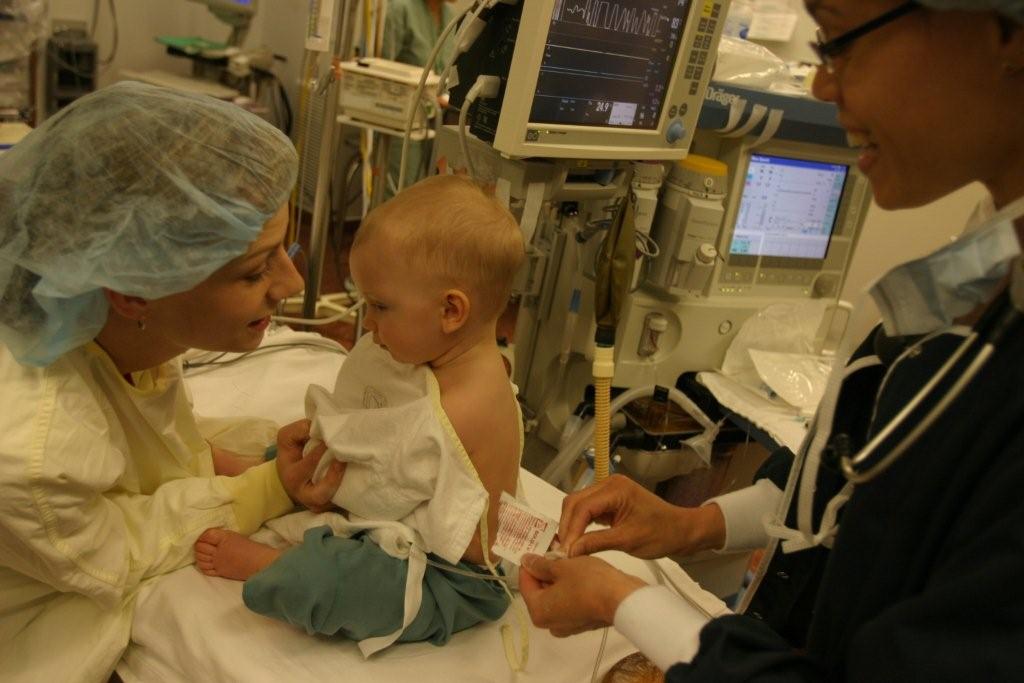
A mother uses physical touch, eye contact, and calming words to distract her daughter as the medical team prepares her for general anaesthesia.
The Boundaries of Distraction
While understanding the value of distraction in a child’s healthcare journey, it’s also important to recognise what it is not.
Distraction is not a substitute for consent.
Distraction should never replace the essential step of gaining a child’s consent, appropriate to their age and developmental stage. It is vital to explain the procedure to the child in a clear, honest way, ensuring they understand what is about to happen.
Distraction can help reduce fears, worries and anxiety and create a positive focus, but it does not take away the child’s right to be informed and involved in their care.
Distraction does not trick the child into compliance.
The purpose of distraction is to provide comfort, focus, and coping tools during a procedure the child is prepared for and aware of – not to deceive or manipulate them so a procedure can be done without their knowledge.
Building trust is critical. Using distraction as a tool to redirect the child’s attention should always be framed positively, giving them an active role in their own consented care.
Distraction is not an alternative to procedure preparation.
Distraction is an excellent tool for reducing fear, worry, anxiety, and discomfort during the procedure, while waiting for it, and recovering from it.
Procedure preparation helps the child understand what will happen before, during, and after the procedure; what they can do to be successful in it; and how they can stay calm.
Distraction works best when paired with preparation, helping the child to feel informed, empowered, and supported throughout the experience.
How Parents and Caregivers Can Help
As your child’s chief advocate, you play a key role in supporting them during medical procedures. Advocate to be present during the procedure, and practice distraction techniques beforehand to build familiarity. Practice aids a smoother procedure.
Offer distraction activities as part of regular play at home to find out what type of distractions your child likes most. Then together with your child (if old enough), select the specific distractions to use during upcoming procedures.
Practice at home and again on the day. Introduce new toys shortly before the procedure. Remember, the goal is to create a calm, supportive environment – rushing through steps for the first time on the day will not support this goal.
During the procedure, remain calm and encouraging; your presence can be a source of comfort. If your own anxiety becomes a barrier, consider stepping out and allow the medical team to guide your child. Advocating for a child life specialist to support your child can be particularly helpful in this situation.
Collaborating with the Medical Team
Medical professionals may initially hesitate to allow distraction or comfort positioning due to time constraints being unfamiliar with the techniques. Parents can educate staff by sharing information about research-supported benefits, and offering practical suggestions that fit with the team’s needs for the specific procedure. Respectful, open communication fosters trust and encourages teamwork.
Choosing the Right Distraction Technique
Selecting a distraction method involves understanding the child’s
- Preferences: Every child is unique, with their own likes and dislikes. Choosing something the child already enjoys ensures they are more likely to engage and respond positively to the distraction. See 10 categories below.
- Age and Developmental Stage: Abilities influence the effectiveness of different distraction methods. Younger children may respond well to simple, sensory-based distractions like bubbles or musical toys, while older children might prefer interactive games, videos, or guided conversations. See the age-appropriate distractions below.
- Temperament: How a child typically handles stress or fear will guide the best type of distraction for them. For example, some children benefit from active engagement and participation, while others are most successful with passive distractions, like watching a video, listening to calming music, or receiving a back rub with gentle words of encouragement.
- Medical Procedure: The type, duration, and invasiveness of the procedure influence the choice of distraction. For quick procedures, a simple, high-impact distraction like blowing bubbles, a light spinner, or singing a short silly song may be most effective. For longer or more complex care, sustained distractions like a movie, interactive games, crafts, or storytelling may be more appropriate.
Whenever possible, allow the child to choose their distraction, as this reinforces their sense of control. Consider pairing two techniques or senses for best engagement and effectiveness. For example, a light up toy and singing, or a tactile toy and storytelling.
10 Types of Distraction
Distraction techniques are versatile and can be tailored to the child’s age, interests, and the nature of the procedure. The endless possibilities for distraction can be grouped into categories. Knowing them can help you identify your child’s preferences and quickly create new distraction tools.
Books, Pictures, and Movies
Brightly illustrated books, interactive pop-ups, and familiar family favorites can captivate young children. Older kids might enjoy puzzle books or audiobooks. Movies and shows provide a passive distraction, while picture books encourage interaction.
Example Distraction Activities
- Interactive Picture Books: Choose books with lift-the-flap features, like Dear Zoo, where children can guess what’s behind each flap. Intrigue and anticipation keeps them engrossed in the story.
- Search-and-Find Books: Where’s Waldo? or I Spy books encourage focus as children take on the playful challenge of hunting for hidden objects.
- Movies with Familiar Characters: Put on a favourite film like Moana or Toy Story, encouraging the child to sing along or talk about their favourite scenes.
Games and Puzzles
Classic games like “I Spy”, memory games, or digital tablet games actively engage children. Board games work well when space allows, while riddles or word games can be particularly helpful to keep older children entertained.
Example Distraction Activities
- I Spy: Engage children with a twist on the classic game. g. Describing: “I spy something blue”. Listening: “I hear with my little ear, something beginning with…”
- Tablet Games: Apps like Toca Boca or Fruit Ninja allow kids to interact with the screen, providing both fun and focus.
- Boxed Games: For settings with more space, games like Connect Four or Candy Land can bring distraction and a sense of accomplishment.
Music and Singing
Music soothes and distracts children across all age groups. Familiar songs allow children to sing along, clap, or hum. Creating lyrics in advance can help children remember the steps they need to do to be active participants in their care and to stay calm. Creating a silly song in the moment can help reframe it as a less intimidating experience.
Example Distraction Activities
- Sing-Alongs: Encourage the child to join you in singing a favourite nursery rhyme like “Itsy Bitsy Spider”, adding hand movements to engage them more.
- Make a Silly Song: Take a familiar tune and change the lyrics to something playful. You could make up lyrics about the procedure and the child’s experience.
- Music Playlists: Let older children create their playlist of favourite songs to listen to with a speaker or headphones during the procedure.
Sensory Toys
A vast array of toys engage the senses, from textured stress balls and scented colouring pens to light-up spinners and musical instruments. They are particularly effective for younger children and those with sensory impairment and other special needs, offering both comfort and distraction.
Example Distraction Activities
- Discovery Box: Hide small objects in a box filled with rice or pasta. Invite the child to find as many objects as possible during the procedure.
- Light-Up Toys: Use a light-up spinner and ask the child to describe the colors or challenge them to “freeze” the lights by stopping the spin.
- Stress Balls: Challenge the child to squeeze a stress ball as hard as they can, counting together to see how long they can hold it.
Imaginative Play
Make-believe play with dolls, action figures, or puppets allows children to act out stories and focus on a fun narrative rather than the procedure. Caregivers can join in, creating adventures together.
Example Distraction Activities
- Puppet Stories: Create a playful story using finger puppets. For example, going on holiday to the child’s favourite place.
- Action Figure Adventure: Build an imaginative scene where a superhero saves the day. Ask the child what superhero they would be, and why.
- Stuffed Animal Helpers: Share a story from the secret world of the child’s favourite toy. g., imagine their bear just attended the Teddy Bears Picnic…
Crafty Play
Finger-painting, and manipulating materials like playdough, fimo, kinetic sand, slime, pipe cleaners, and felt can calm children during and after the procedure. While less common during procedures, messy, creative craft play helps redirect focus from pain and anxiety.
Example Distraction Activities
- Playdough Creations: Invite the child to make a farmyard or zoo of animals, an alphabet, set of numbers, or shapes, or to create their own masterpiece.
- Felt Art: Encourage the child to create a picture using a reusable felt book or picture board kit. Ask them to tell you about the scene they’re creating.
- Slime Play: Encourage the child to stretch and squish brightly coloured slime; describe how it feels, and create silly names for its texture. If the procedure requires low lighting, consider using glow-in-the-dark slime for added distraction.
Focused Breathing
Blowing bubbles, pinwheels, or imaginary balloons and birthday candles encourages deep breathing, a natural stress reliever. Children can practice beforehand, making it a reliable tool for both everyday stress and medical settings.
Example Distraction Activities
- Bubbles: Encourage the child to blow bubbles, and ask them to count how many float away before they pop.
- Pinwheel: Show the child how to make a pinwheel spin with slow, deep breaths. Explain how your breath powers it, and ask them to keep the pinwheel spinning.
- Birthday Candles: Ask the child to imagine a big cake in front of you both, and blow out each imaginary candle with long, deep breaths.
Coaching and Diversional Conversation
Talking offers a mental diversion, either by guiding children the through procedure step-by-step, or engaging them in conversation about their favourite topics. This approach works well for older children who enjoy talking with, and listening to, other people.
Example Distraction Activities
- Favourites: Discuss something the child loves, like their favourite animal, and ask intriguing questions: “What would happen if your pet tiger came to school?”
- Would You Rather…?: This nugget has endless possibilities for fun conversation. Here are 100 fabulous Would You Rather questions just for kids.
- Silly Scenarios: Ask each other silly questions, like “Do you think penguins would like pizza? Why or why not?”
Positive Gentle Touch and Comfort Positons
Hugging a stuffed toy, feeling a soft blanket, or receiving a gentle back rub can provide comfort. Positions of comfort support children of all ages, and allow the caregiver to engage the child in a distraction activity while providing a secure, soothing hold.
Example Distraction Activities
- Comfort Positioning: Hold the child securely, speak reassuring words with a soft voice while distracting them with an appropriate activity.
- Gentle Massage: Offer a soothing hand or back massage while talking softly, helping the child to focus on the relaxing sensations.
- Stuffed Animals: Encourage the child to hug their favourite toy tightly, while describing how “brave” their toy is. Invite them to help you encourage the toy.
Guided Imagery
Example Distraction Activities and Guided Meditations
1. Visit the Beach: Guide the child to imagine walking on a sandy beach, watching the waves coming and going as they breathe steadily in and out.
Download the printable PDF: Visiting the Beach Script
2. Space Travel: Pretend you’re astronauts floating in space, breathing in and out slowly as you drift among the stars.
3. Magic Journal: Discover your very own magic journal that absorbs all worries or concerns you may have as you write them down, leaving you feeling fantastic!
Explore the New Horizons Playlist for more magical guided meditations.


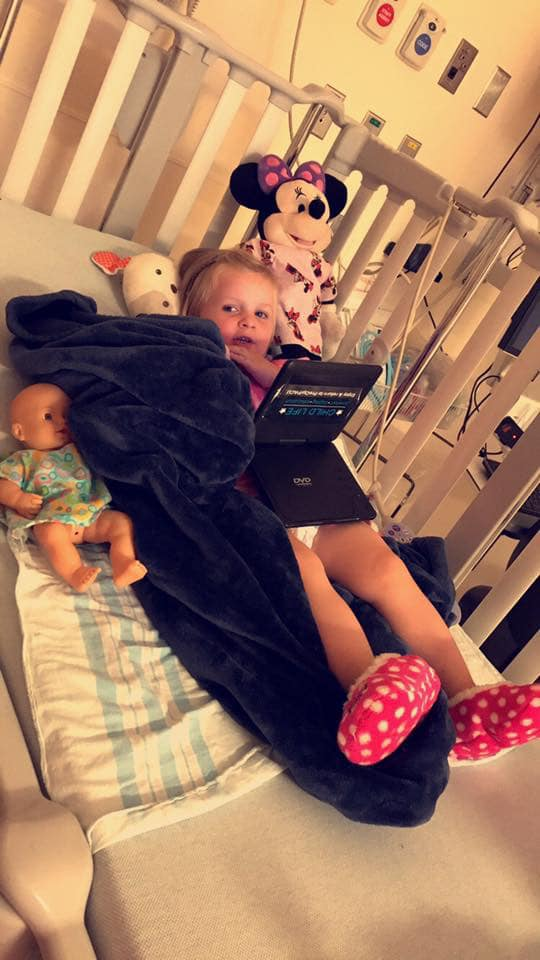

Age-Appropriate Distraction Tools
Neonates and Infants
- Gentle rocking, swaddling.
- Musical mobiles, soothing lullabies.
- Black-and-white or high-contrast visuals.
Toddlers
- Light-up spinners, bubbles.
- Simple musical instruments like tambourine, xylophone, maracas.
- Peek-a-boo with toys or hands.
Preschoolers
- Interactive storybooks.
- Playdough, stress balls.
- Favourite cartoons or movies.
School-Age Children
- Puzzle books, riddles.
- Tablet games, “I Spy”.
- Guided breathing exercises.
Adolescents
- Music playlists, headphones.
- Competitive games, trivia, or riddles.
- Diversional conversation about their interests.
When Distraction Doesn’t Work
Distraction isn’t foolproof. A child may not respond to certain methods, while other methods work well for them. A method that previously worked may become ineffective, especially when the child knows what to expect so it is no longer an enticing distraction. Keep trying new things in collaboration with the child, and change things up to keep distractions fresh.
Rarely, a child continues to feel overwhelmed, and no distraction tool helps. If this happens, take a break, and consult a child life specialist. Involving a psychologist or therapist may help the child address deeper fears and anxieties around their medical experience.
Encouragement for Caregivers and Professionals
Making distraction a gold standard in children’s medical care requires effort, but it brings immense rewards. For caregivers, it’s a chance to turn daunting moments into opportunities for connection and resilience. For medical teams, distraction fosters trust and cooperation, paving the way for smoother, more efficient, compassionate care.
Together, we can empower children like Katie to be actively engaged and successful in their procedures, reducing their risk of medical anxiety and trauma. In the process, we help raise their quality of life during the cancer care journey and beyond.
Companion Comfort Positions Guide
Used independently or with distraction supports, comfort positions offer a simple, powerful way to ease a child’s distress during procedures, ensuring safer, more supportive care. In the perfect companion to this Distraction Guide, Abby and Morgan explore comfort positioning for retinoblastoma care.
This comprehensive guide includes:
- The impact of no comfort hold support.
- What comfort positions are and what they are not.
- The benefits of comfort positioning.
- The evolution of comfort positions.
- When to use comfort positions.
- Choosing the right comfort position.
- How to use comfort positions – including communicating and collaborating with the medical team.
- Example comfort positions for different medical procedures – including giving eye drops.
Comfort positions are not about restraint – they build security, trust, and cooperation. Used effectively, they can transform medical experiences for children and parents.
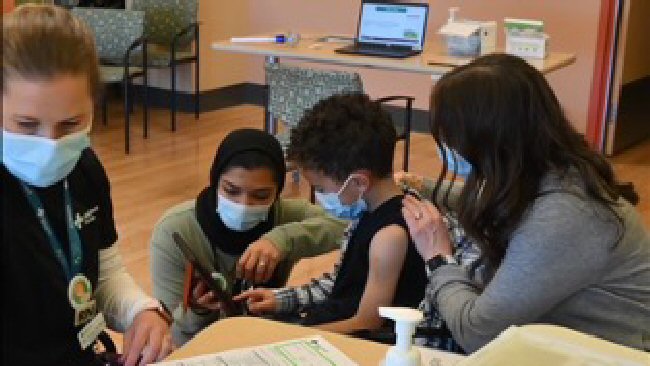
iPad games help kids manage needle fear and pain during vaccination.
About the Authors
Abby’s father was diagnosed with bilateral retinoblastoma in Kenya in 1946. Abby was also born with cancer in both eyes. She has an artificial eye and limited vision in her left eye that is now failing due to late effects of radiotherapy in infancy.
Abby studied geography at university, with emphasis on development in sub-Saharan Africa. She co-founded WE C Hope with Brenda Gallie, responding to the needs of one child and the desire to help many in developing countries. After receiving many requests for help from American families and adult survivors, she co-founded the US chapter to bring hope and encourage action across the country.
Abby enjoys listening to audio books, creative writing, open water swimming and long country walks.

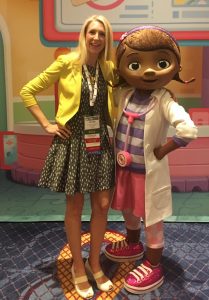 Morgan Livingstone is a Certified Child Life Specialist and Certified Infant Massage Instructor/Trainer. She is passionate about improved child life and psychosocial supports for children and families affected by retinoblastoma.
As the Child Life Officer of World Eye Cancer Hope, Morgan contributes to the website’s Child Life sections, and speaks globally about child life supports for children with retinoblastoma.
Since 2017, Morgan provided enriched multi-day child life programming for children of all ages at the Canadian Retinoblastoma Research Advisory Board meetings and the One Retinoblastoma World conference.
Morgan also writes and creates resources for children and adults, and participates in child life research studies. She won the inaugural Innovation Grant at Operation Smile for developing an APP that uses Virtual Reality to prepare children receiving cleft lip and palate surgery for their operation.
Download Morgan’s helpful parent manual for supporting children’s worries using Worry Eaters.
You May Also Like…
Your Child is Not Misbehaving: How Stress Affects Behaviour
All children exhibit undesirable behaviour at times, particularly when they are stressed, but deliberate misbehaviour is rare. Paediatric nurse and child life specialist, Cindy Pilchuk, explores how a child’s brain responds to stress and emotional overwhelm, what their stress behaviour may be trying to say, and how parents and caregivers can help children cope better.
Child Life for All Ages: Empowering Children with Cancer to Thrive
Retinoblastoma is a challenging journey for children and their families, often deeply affecting emotional and physical well-being long after treatment ends. Tailored support enhances quality of life during cancer care and beyond. Rb survivor and WE C Hope founder, Abby White; and Child Life Specialist, Morgan Livingstone, explore how child life specialists empower children of all ages and their families to cope, heal, and thrive.
Comfort Positions: How to Help Children Feel Safe and Supported During Medical Procedures
Medical procedures can be stressful for children, often leading to fear, resistance, and lasting anxiety. Comfort Positions offer a simple and powerful way to ease distress, ensuring a safer, more supportive experience for children, caregivers, and medical teams. WE C Hope CEO, Abby White, and Child Life Specialist, Morgan Livingstone, explore how comfort positioning transforms medical care, fostering
10 Ways to Support Your Child Through EUA for Retinoblastoma
Examinations Under Anaesthetic (EUA) are an essential part of retinoblastoma diagnosis, treatment, and surveillance follow up care. Combining content from our Child Life Resource, Morgan Livingstone CCLS CIMI MA reviews 10 ways parents can support children of all ages through the experience to benefit everyone’s wellbeing.




Leave a Reply
Want to join the discussion?Feel free to contribute!