

Why Procedure Support Matters – Right Now and For Life
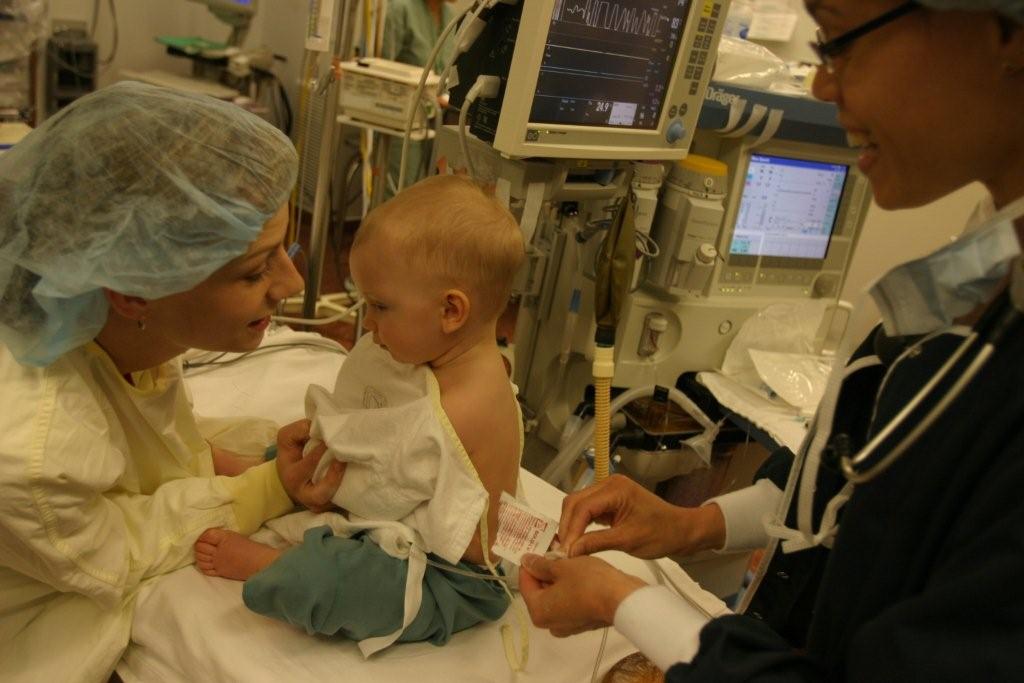
Children diagnosed with retinoblastoma, or with a known risk for the cancer, encounter repeated medical procedures from an early age. Eye drops, blood tests, intravenous cannulation, port access, IV and central line care, anaesthetic induction, awake imaging as they grow older, and much more. How these moments are supported has immediate impact on a child’s stress levels, coping, and cooperation; with lasting effects on trust, future healthcare, and wellbeing.
Poorly supported procedures can seed strong fear memories, needle phobia, and avoidance of vital care into adulthood. But simple non-medicated supports like preparation, comfort holds, distraction, and confident coaching transform the experience. By reducing fear, worry, anxiety and pain, they improve procedural success, protect mental health, nurture healthy development, and raise children to be confident advocates for their future healthcare.
Child-focused procedure care steadies parents and caregivers. When families feel informed and involved, their own anxiety eases, and children cope better.
Safer, calmer procedures benefit the clinical teams delivering care. Fewer escalations and more reliable completion make medical care easier, safer, and less costly in a busy department or ward.
Below, we’ll explore what causes procedure anxiety, care for the supporting parent, and the key role of the child’s procedure coach as one clear voice in the room. Throughout, we offer practical examples, tips and tools to help ease anxiety and create a positive experience for everyone.
How Procedure Anxiety Starts, Sticks, and Snowballs
Procedure anxiety most often emerges through a combination of experience and response.
- Conditioning: a painful or frightening experience becomes a trigger for fear.
- Information processing: memory bias focuses attention on parts of the procedure perceived as threatening or scary.
- Modelling: children mirror adult distress.
A routine immunization is far from “just a poke”. A single poorly managed needle stick or eye-drop delivery can become a “teaching moment” the brain won’t forget. Over time, this can grow into phobia, avoidance and heightened pain responses at subsequent visits. This may occur in response to:
- The same procedure regardless of where it takes pace.
- Different procedures carried out in the same venue, or by the same person as the triggering experience.
Tired, stressed, unwell children also reach sensory overload faster. Constant noise, bright lights, bustling staff, unfamiliar smells – this competing input makes it much harder to engage coping skills, magnifying their distress and resistance to procedures.
Parents are the child’s emotional barometer. High parental pre-procedure anxiety is strongly linked with higher child anxiety, pain and distress during and after the procedure. Feeling worried is completely human; naming and managing that worry is part of caregiving for a successful procedure.

Calm Parents Lead to Calmer Children
Children take their cues from the words, actions and emotions of parents and other significant people in their life.
When a parent is anxious or upset about a procedure, their child is likely to respond with anxiety and upset. A calm parent is more able to give practical support to their child, and themselves.
When you steady your breathing, speak slowly, and embrace your child in a loving comfort hold, your nervous system sends a powerful “safe enough” signal. Your calm helps them hear, process, and follow instructions; and access coping strategies like deep breathing, singing a silly song, or “blowing away the pain” with a bubble wand.
Self-care isn’t a luxury here; it supports critical care for your child. When you feel stressed or anxious about an upcoming procedure, please seek out the support you need to be as calm as possible.
Simple stress-busters include deep breathing, meditation, yoga, exercise, listening to or playing music, and doing a favourite handcraft activity. Visit our guide for 45 ways to Reduce Your Stress
Ask your child life specialist for self-care guidance tailored to your situation, and check whether your family can join local support programs.
Talk with your clinical team about the planned procedure, and ask for a child life specialist to attend, if available.
If anxiety feels overwhelming, or prevents you from supporting your child, talking with a therapist or taking medication may be helpful. Talk with your family doctor, or ask your child’s medical team for psycho-oncology referral. Psycho-oncologists are psychologists who work specifically with people affected by cancer. Some psycho-oncologists at major treatment centres specialise in the childhood cancer experience.
During a stressful procedure, use box breathing to calm your body and mind quickly so you can stay focused on supporting your child. This simple inhale–hold–exhale–hold technique is used by first responders, surgeons, military personnel and others to manage stress and maintain focus in highly charged situations. Practice this breathing technique well in advance so it feels natural and easier to use in the stressful moment.
Find more breathing tips and tools on our blog – Breathing for Wellness: Why Breath Matters, and 9 Ways to Breathe Out Stress
Your Voice Can Be Their Superpower
Conversations with family, friends, the medical team, and other adults can be witnessed and overheard. And children listen closely to the people they trust most. Bare this in mind when discussing your feelings about procedures with other people, whether by telephone or in person.
Avoid sweeping solid statements like: “Oh he won’t let you do that” or “No he can’t do ….. [procedure]”.
These negative statements can sabotage your child’s successes. They may become more upset and resistant to a new or familiar procedure, since you already stated they’re unable to do it, and primed them to believe they are incapable of success.
Try to approach every procedure as a journey of curiosity, to be successful in together. When we speak quietly, face-to-face, or cheek-to-cheek in a cuddle hold, offering specific encouragement and coaching, we comfort, validate, and distract the child.
They are more able to follow simple, fun instructions for actions they’re already practiced. For example: “Let’s take three dragon breaths”, “keep your hand floppy like cooked spaghetti”, or “can you count the bubbles?”
When Many Voices Pile in, Children Struggle
Hospitals and retinoblastoma treatment can be scary experiences for young children. Well-meant reassurance and guidance from several adults at once can quickly confuse and overwhelm a child as sound and activity in the procedure room increases.
“Look at me”, “Look at Mama”, “Hold still”, “Take a Big Breath”, “You’re OK!”, Don’t cry” – competing instructions raise the cognitive load and sensory stress, causing fear, distress, movement, and increased procedural risk.
Streamlining support with ONE VOICE lowers stress and helps the child focus and succeed in a calm, quiet, reassuring environment.
ONE VOICE for Calm, Safe, Successful Procedures
In the 1990s, mid-west child life specialist Debbie Wagers, MHA, CCLS recognized how a frightened child could be rapidly overwhelmed by too many adult voices during a procedure. She resolved to develop a system that could educate staff to create emotionally safer care by unifying communication.
ONE VOICE is a child-centred approach, designed to reduce emotional trauma by coordinating the procedure room around one designated coaching voice. It’s now taught widely across the USA and internationally. Thanks to the advocacy of many dedicated child life specialists and hospital play specialists, ONE VOICE has been integrated into more than 200 children’s hospitals around the world.
In May 2025, the Association of Child Life Professionals honoured Debbie with a Distinguished Service Award. In presenting the award, they noted the national and international reach of ONE VOICE, and its key role in patient care.
ONE VOICE Makes a Difference
See the difference between the two scenarios in this short video…
When and How ONE VOICE Is Used
Any procedure in which the child is awake and needs coaching support can benefit. For example, giving eye drops, IV insertion and removal, port access, blood draws, imaging set-up, ultrasound scan, central line care, dressing changes, pre-op checks, vital signs, and much more.
ONE VOICE can be especially helpful for children who are very young, anxious, neurodiverse, have sensory impairment or sensitivity, or have previously had a difficult medical experience.
With ONE VOICE, just one designated person talks with the child throughout the entire procedure. That person might be a parent, child life specialist, nurse, doctor, technician, or someone else involved in the procedure. They will prepare the child for the procedure before it happens, and coach them through each step of the process. They will use developmentally-appropriate language and distraction supports, and be a communication bridge between the child and medical team.
Allowing only one designated voice removes unnecessary noise, creating a calm, reassuring space around the child. This also creates a safer working environment for the medical professionals providing care, freeing them to focus on their specific roles, and teamwork for successful, effective completion of the procedure.
ONE VOICE In Practice
Using ONE VOICE creates a friendlier, more therapeutic environment for young patients and their parents. ONE VOICE means:
O – One voice should be heard during the procedure
Nominate a single coach (e.g., parent, child life specialist, nurse, doctor), and ensure that person agrees. Others keep voices low and speak only if essential for safety (e.g., “pause there”, “time out”). Use a door sign or verbal cue to signal “We are in ONE VOICE”.
N – Need for parental involvement
Invite the parent to hold the child in an appropriate comfort position, and be the coaching voice if they wish. Review the procedure plan and agree the supporting script together in advance. For example, prompts for a blood draw might include: “First the wipe – it feels cold and wet… Here’s the tiny pinch – let’s take a big dragon breath now; breathe with me…”).
E – Educate the patient before the procedure about what is going to happen.
Explain each step of the procedure, what it will feel like, and what they can do to help. Offer choices where possible (watch or look away, which arm, distraction activities etc.). Plan coping supports and agree your cues – e.g.: “We’ll count three dragon breaths, then look at the glow up toy”. Preparation and support reduces anxiety and helps procedures go more smoothly.
V – Validate the child with your words
Give concrete evidence, e.g.: “You’re keeping your arm still – that’s super helping”, “I hear that ‘ow’ feeling; let’s blow it out together with a deep dragon breath”. Validation acknowledges the feeling and coaches the skill.
O – Offer the child the most comfortable, non-threatening position
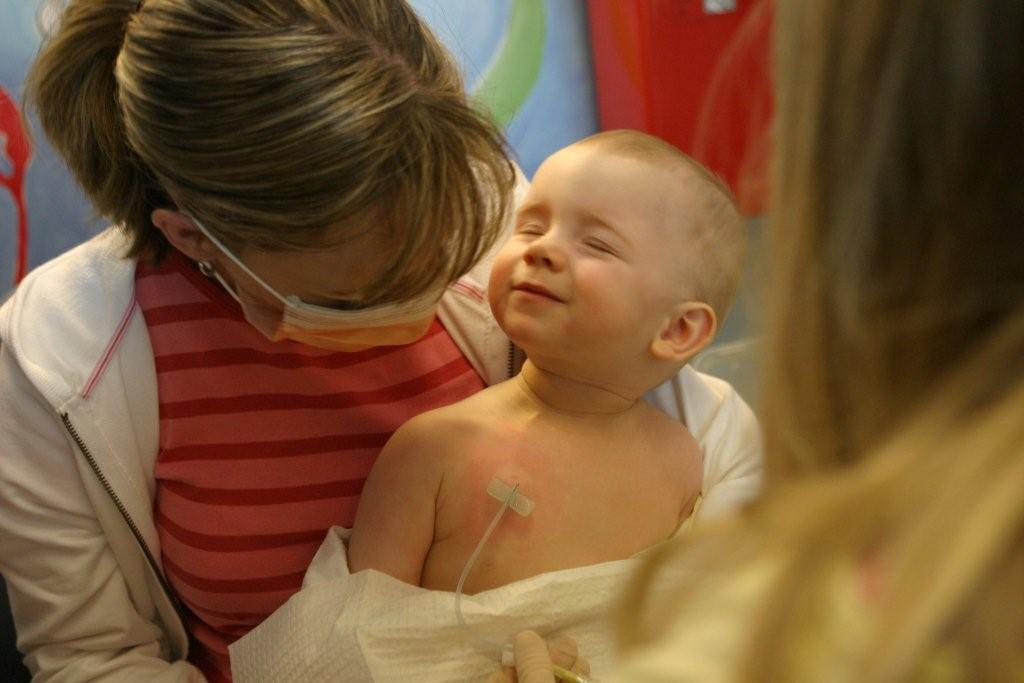
Avoid forced supine (lying on the back) holds when possible – this is a highly vulnerable position for anxious humans. Wherever possible, use lap holds – side-sitting, chest-to-back, or chest-to-chest cuddles that secure limbs kindly while keeping the parent close. Comfort positions reduce movement and distress, improving safety for the team, patient, and caregiver.
I – Individualise your game plan
Match strategies to age, developmental stage, temperament, sensory profile, and prior experiences. For example, a toddler may need very quick steps and multi-sensory distractions; a blind child or parent will need non-visual instructions and value tactile and audible distractions; an autistic child may benefit from headphones lower lighting, and fewer people in the room.
C – Choose appropriate distraction to be used
Distraction techniques and tools include counting and finding games (e.g.: “find five blue things”), singing, storybooks, bubbles, pinwheels, tablets, guided breathing and much more. Choose distractions appropriate for the procedure, the child’s development and interests, and their current health and ability.
E – Eliminate unnecessary people who are not actively involved with the procedure
Agree essential clinical and supporting roles for the procedure and ask all other people to step out of the room – or not join in the first place. This respects and protects the child and all in their circle of care for that procedure. Fewer bodies = less noise = less overload and confusion = a calmer child = greater success.
The impact of ONE VOICE
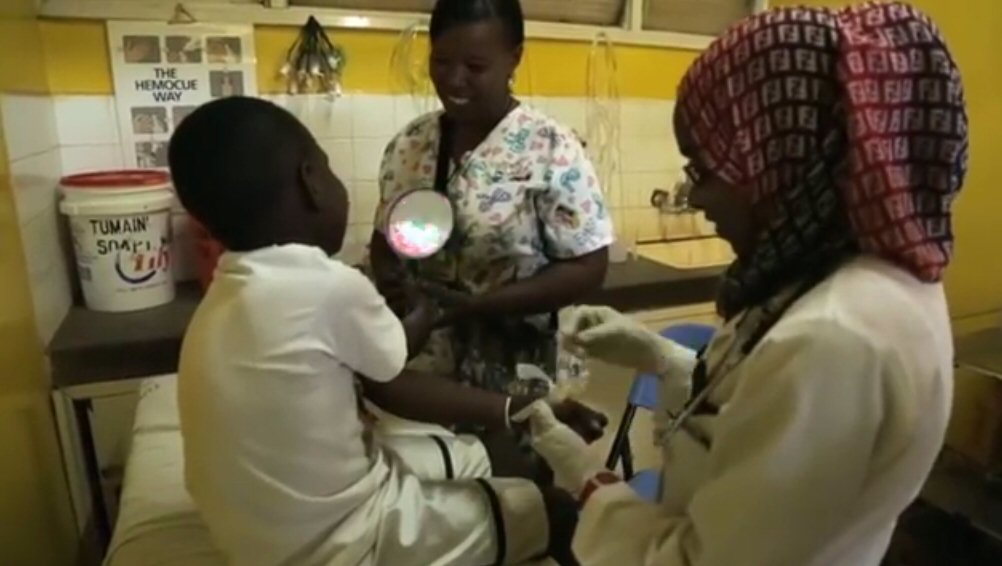
ONE VOICE is changing the lives of children, their families, and medical teams around the world – from highly-resourced centres to resource-limited hospitals in Low- and Middle-Income Countries.
For the Child
- Lower anxiety and distress, more effective use of coping skills, greater calm, and better procedural cooperation.
- Less sensory overload from competing voices, and more ability to participate in their care.
- Fewer traumatic memories, helping to reduce mental health impacts and prevent long-term avoidance of healthcare.
For Parents and Caregivers
- A clear, invited role (e.g., comfort positioning, distraction, coaching).
- Reduced anxiety through involvement in preparation and coaching, which in turn benefits the child.
For Professionals
- Safer working environment – reduced room noise, calmer child, clearer task focus.
- Higher first-attempt success, fewer escalations, and reduced need for sedation when combined with broader child life supports.
High Impact with Minimal Cost in Low-Resource Settings
ONE VOICE needs no equipment and little time to implement: a pre-procedure huddle to nominate the coach, a quick explanation to the family, and a visible cue (“ONE VOICE in use”). Training is low-cost, with easy transfer from classroom to clinic when supported by senior clinicians.
In low- and middle-income countries, access to child life programs and sedative agents is often limited or non-existent. Coordinating the room around one calm guide for the child is free, fast, and scalable. Pairing with culturally appropriate preparation, comfort positions, and distraction can further enhance the child’s experience, with minimal cost.
Advocating for ONE VOICE Before and During Procedures
As a Parent or Caregiver
Before the planned procedure, ask your child’s doctor, nurse, or child life professional if ONE VOICE can support your child, and explain that you’d prefer one clear coaching voice for your child. For example, you could say: “My child does best with one voice. Could we nominate one coach while others keep communication to safety-critical points?”
Confirm whether you’re confident to be your child’s coach, or if you’d prefer a child life professional or member of the clinical team to do this. It’s perfectly OK to let them guide while you focus on providing physical comfort.
Discuss the best comfort positions and distraction tools for the procedure so you can prepare and practice with your child.
During the procedure, if multiple people begin speaking, gently remind and redirect. For example: “Please could we go back to ONE VOICE with [x person] so my child and I can focus and stay calm?”
More tips: How to Advocate for Child Life Support in Your Child’s Medical Care.
As a Medical Professional
Here are our seven quick tips for the medical team keen to support ONE VOICE:
- Add ONE VOICE to your pre-procedure checklist and safety brief.
- Identify the coach and review the procedure plan with them.
- Agree practical procedure supports so the coach can prepare their script and supports for the child.
- Use visible cues to remind everyone that ONE VOICE is being used in the procedure room (e.g., whiteboard, door-sign).
- Dim the lights where safe to do so.
- Reduce people in the room to only those needed for procedure delivery and supporting the child. .
- Support developmentally appropriate preparation and distraction – both are recommended in evidence-based guidance for procedural pain and distress.
A Final Word: Procedure Support Is Not an Optional Extra
We teach babies and toddlers how to go to the toilet, drink from a cup, and tie their laces – everyday experiences. Why then do we ask them to navigate complex medical procedures that intimidate adults, with no preparation or coaching? Why do we expect them to tolerate the sensory overload and mixed messages of a chaotic procedure room?
Supportive education is vital to nurture the growing child in their daily home life. Procedure preparation, coaching, and care is also vital to help them master their medical experiences and thrive through cancer.
Across World Cancer Day (4 February) and International Childhood Cancer Day (15 February) 2026, letter O in our #RbChildLife Alphabet of Hope champions “One Voice” because emotionally safe, child-centred procedures are core paediatric care, everywhere. ONE VOICE costs little, scales easily around the world, and helps protect a child’s precious mind as the medical team care for their body.
When we focus the room on one gentle, confident, well-prepared guide, parents are grounded, children step into their courage, and the care team lead with calmer, safer practice. With open hearts, high-value, humane cancer care is possible for every child.
About the Authors
Abby’s father was diagnosed with bilateral retinoblastoma in Kenya in 1946. Abby was also born with cancer in both eyes. She has an artificial eye and limited vision in her left eye that is now failing due to late effects of radiotherapy in infancy.
Abby studied geography at university, with emphasis on development in sub-Saharan Africa. She co-founded WE C Hope with Brenda Gallie, responding to the needs of one child and the desire to help many in developing countries. After receiving many requests for help from American families and adult survivors, she co-founded the US chapter to bring hope and encourage action across the country.
Abby enjoys listening to audio books, creative writing, open water swimming and long country walks.

 Morgan Livingstone MA CCLS CIIT/CIMI-2 is a Certified Child Life Specialist and Certified Infant Massage Instructor/Trainer. She is passionate about improved child life and psychosocial supports for children and families affected by retinoblastoma.
As the Child Life Officer of World Eye Cancer Hope, Morgan contributes to the website’s Child Life sections, and speaks globally about child life supports for children with retinoblastoma.
Since 2017, Morgan has provided enriched multi-day child life programming for children of all ages at the Canadian Retinoblastoma Research Advisory Board meetings and the One Retinoblastoma World conference.
Morgan also writes and creates resources for children and adults, and participates in child life research studies. She won the inaugural Innovation Grant at Operation Smile for developing an APP that uses Virtual Reality to prepare children receiving cleft lip and palate surgery for their operation.
Download Morgan’s helpful parent manual for supporting children’s worries using Worry Eaters.
You May Also Like…
Comfort Positions: How to Help Children Feel Safe and Supported During Medical Procedures
Medical procedures can be stressful for children, often leading to fear, resistance, and lasting anxiety. Comfort Positions offer a simple and powerful way to ease distress, ensuring a safer, more supportive experience for children, caregivers, and medical teams. WE C Hope CEO, Abby White, and Child Life Specialist, Morgan Livingstone, explore how comfort positioning transforms medical care, fostering trust, cooperation, and emotional well-being.
Distraction in Action: How to Build Kids’ Confidence and Comfort in Medical Care
Medical care can be overwhelming for children and their family, causing fear and distress. Without support, these experiences can escalate into medical trauma. WE C Hope CEO, Abby White, and Child Life Specialist, Morgan Livingstone, explore how simple distraction tools reduce anxiety, increase cooperation, and empower both children and caregivers to be calm, confident participants, even in complex medical care.
It Doesn’t Have to Hurt: How to Make Needle Procedures Kinder for Kids
Routine blood tests and immunizations often cause pain and fear. Retinoblastoma screening, diagnosis, treatment and follow-up care involves countless needle procedures. It doesn’t have to hurt! Parents and professionals can bring comfort and calm to any needle procedure. Rb survivor and WE C Hope founder, Abby White; and Child Life Specialist, Morgan Livingstone, explore practical, evidence-based ways to reduce needle pain and support healthy coping for babies and children.
How to Advocate for Child Life Support in Your Child’s Medical Care
Parenting children through retinoblastoma is tough. Being their chief advocate is one of your most important roles throughout their cancer experience. Rb Survivor and WE C Hope CEO, Abby White, discusses why parents and caregivers should advocate for child life support, how to ask for child life services, and how to work effectively with child life professionals for the best outcomes.
10 Ways to Support Your Child Through EUA for Retinoblastoma
Examinations Under Anaesthetic (EUA) are an essential part of retinoblastoma diagnosis, treatment, and surveillance follow up care. Combining content from our Child Life Resource, Morgan Livingstone CCLS CIMI MA reviews 10 ways parents can support children of all ages through the experience to benefit everyone’s wellbeing.




Leave a Reply
Want to join the discussion?Feel free to contribute!