Most children with retinoblastoma experience some degree of vision loss that requires accommodations and support to reach their potential in school. Four vision professionals, who have experience of retinoblastoma, review the supports children may need, and what parents can do to help secure them.
https://wechope.org/wp-content/uploads/2020/07/First-Day-at-Pre-School.jpg11151575Abby Whitehttps://wechope.org/wp-content/uploads/2015/08/WeCH-Logo-web2.jpgAbby White2020-09-14 09:53:202022-08-29 09:43:14How to Support Learning For Children With Vision Loss
Parents of children with retinoblastoma ask how often their child’s eyes should be examined under anaesthetic, and if schedules vary depending on type of eye salvage treatment. Abby White, in collaboration with a specialist from one leading US treatment center, helps to answer these important questions.
https://wechope.org/wp-content/uploads/2020/07/IMG_2281.jpg6831024Abby Whitehttps://wechope.org/wp-content/uploads/2015/08/WeCH-Logo-web2.jpgAbby White2020-08-31 20:58:312020-08-31 22:52:04EUA Frequency During and After Retinoblastoma Treatment
Our first virtual family event was a great success, with added sparkle from Kendra Scott jewelry. Please help us support more families by shopping at KendraScott.com on Sat 12 – Sun 13 September. They’ll donate to WE C Hope 20% of sales made using code GIVEBACK8400. Shine gold this September Childhood Cancer Month.
https://wechope.org/wp-content/uploads/2020/07/Marissa-Wearing-Kendra-Scott-Necklace.jpg600800Abby Whitehttps://wechope.org/wp-content/uploads/2015/08/WeCH-Logo-web2.jpgAbby White2020-08-17 09:08:532020-08-17 10:39:49Give Back This September with Kendra Scott
COVID-19 continues to impact life and medical care. WE C Hope CEO Abby White reviews the facts of COVID-19, how we can protect ourselves and others, COVID testing, retinoblastoma care during the pandemic, safe travel to medical care, and how to support ourselves and our children.
https://wechope.org/wp-content/uploads/2020/07/COVID-19.jpg12001800Abby Whitehttps://wechope.org/wp-content/uploads/2015/08/WeCH-Logo-web2.jpgAbby White2020-08-01 01:09:152020-12-13 18:09:30Retinoblastoma Care During the COVID-19 Pandemic
Despite advances in eye saving therapy for retinoblastoma, removing a child’s eye remains the most common treatment worldwide. Rb survivor and WE C Hope CEO, Abby White, shares her perspective of life after enucleation, and experiences from seven fellow survivors, offering hope to parents facing the reality of enucleation.
When a child has retinoblastoma, removing the affected eye remains the most common treatment worldwide to save life. Support is vital throughout treatment and long after. Lori and Grace Padilla share the perspective of a parent and a young adult survivor, their thoughts on enucleation, and the benefits of in-person support groups.
https://wechope.org/wp-content/uploads/2020/07/Grace-and-Bailey-Cover.jpg620885Abby Whitehttps://wechope.org/wp-content/uploads/2015/08/WeCH-Logo-web2.jpgAbby White2020-07-06 09:26:442020-07-06 09:46:36Enucleation, Life and Support: A Parent and Survivor Perspective
Caring for a child with retinoblastoma and healthy siblings is a complex journey for parents, from before diagnosis, through treatment, and beyond. Rb Mom and WE C Hope USA director, Lori Banos, shares 10 key messages parents have for health care professionals, fellow parents and the wider community.
https://wechope.org/wp-content/uploads/2020/06/Cover.jpg12002200Abby Whitehttps://wechope.org/wp-content/uploads/2015/08/WeCH-Logo-web2.jpgAbby White2020-06-22 09:46:162020-07-28 19:34:3710 Things Parents Want You to Know About Retinoblastoma
Retinoblastoma is highly curable. But for many survivors, it has lifelong impacts. In 2019, our Alphabet of Hope shared survivor insights of #LifeBeyondRb. Rb Survivor and 2019 alphabet curator, Abby White, highlights 10 important messages from survivors about life beyond treatment and cure of childhood eye cancer.
https://wechope.org/wp-content/uploads/2020/06/Ffion-JST.jpg12241632Abby Whitehttps://wechope.org/wp-content/uploads/2015/08/WeCH-Logo-web2.jpgAbby White2020-06-08 08:38:002020-06-08 08:38:0010 Things Retinoblastoma Survivors Want You To Know
Diagnosis and treatment of eye cancer in early childhood is only the start of a lifelong story for many individuals affected by retinoblastoma. Marissa Gonzalez, Rb survivor and President of World Eye Cancer Hope USA, shares seven tips for being an active participant in your retinoblastoma survivorship journey.
https://wechope.org/wp-content/uploads/2020/05/Survivorship-Compass.png35007321Abby Whitehttps://wechope.org/wp-content/uploads/2015/08/WeCH-Logo-web2.jpgAbby White2020-05-25 09:54:472020-05-25 09:56:367 Survivorship Tips and Tricks: navigating the adult post-retinoblastoma world
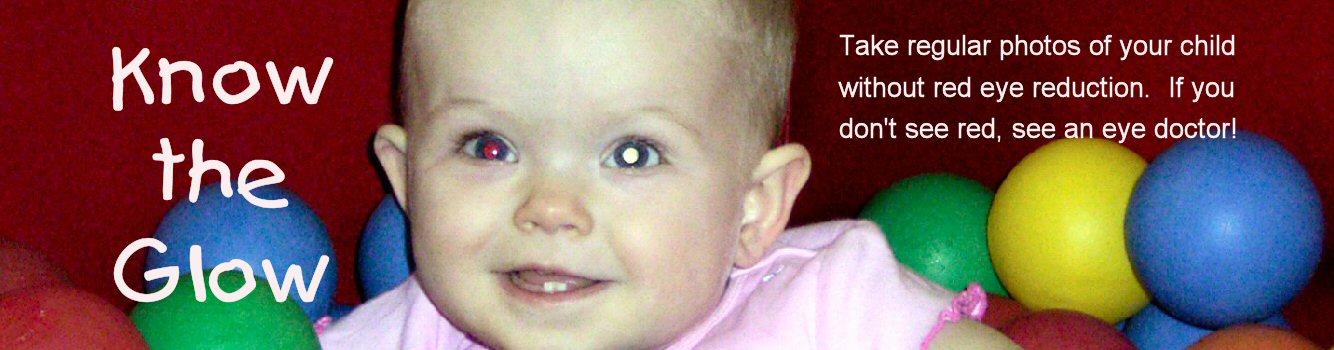
Strabismus (turned eye) and leukocoria (white pupil) are the most common early signs of retinoblastoma. Sandra Staffieri, Rb Care Co-ordinator at the Royal Children’s Hospital, Melbourne, explores why parent and healthcare provider awareness of these signs is vital to early diagnosis of childhood eye cancer.
https://wechope.org/wp-content/uploads/2020/05/Leukocoria-Cover.jpg475650Abby Whitehttps://wechope.org/wp-content/uploads/2015/08/WeCH-Logo-web2.jpgAbby White2020-05-10 23:17:352020-05-11 08:55:13If You Tell Them, They Will Know: raising awareness of retinoblastoma signs can save lives, eyes and sight.




How to Support Learning For Children With Vision Loss
Most children with retinoblastoma experience some degree of vision loss that requires accommodations and support to reach their potential in school. Four vision professionals, who have experience of retinoblastoma, review the supports children may need, and what parents can do to help secure them.
EUA Frequency During and After Retinoblastoma Treatment
Parents of children with retinoblastoma ask how often their child’s eyes should be examined under anaesthetic, and if schedules vary depending on type of eye salvage treatment. Abby White, in collaboration with a specialist from one leading US treatment center, helps to answer these important questions.
Give Back This September with Kendra Scott
Our first virtual family event was a great success, with added sparkle from Kendra Scott jewelry. Please help us support more families by shopping at KendraScott.com on Sat 12 – Sun 13 September. They’ll donate to WE C Hope 20% of sales made using code GIVEBACK8400. Shine gold this September Childhood Cancer Month.
Retinoblastoma Care During the COVID-19 Pandemic
COVID-19 continues to impact life and medical care. WE C Hope CEO Abby White reviews the facts of COVID-19, how we can protect ourselves and others, COVID testing, retinoblastoma care during the pandemic, safe travel to medical care, and how to support ourselves and our children.
Life After Enucleation: 8 Retinoblastoma Survivors Share Hope
Despite advances in eye saving therapy for retinoblastoma, removing a child’s eye remains the most common treatment worldwide. Rb survivor and WE C Hope CEO, Abby White, shares her perspective of life after enucleation, and experiences from seven fellow survivors, offering hope to parents facing the reality of enucleation.
Enucleation, Life and Support: A Parent and Survivor Perspective
When a child has retinoblastoma, removing the affected eye remains the most common treatment worldwide to save life. Support is vital throughout treatment and long after. Lori and Grace Padilla share the perspective of a parent and a young adult survivor, their thoughts on enucleation, and the benefits of in-person support groups.
10 Things Parents Want You to Know About Retinoblastoma
Caring for a child with retinoblastoma and healthy siblings is a complex journey for parents, from before diagnosis, through treatment, and beyond. Rb Mom and WE C Hope USA director, Lori Banos, shares 10 key messages parents have for health care professionals, fellow parents and the wider community.
10 Things Retinoblastoma Survivors Want You To Know
Retinoblastoma is highly curable. But for many survivors, it has lifelong impacts. In 2019, our Alphabet of Hope shared survivor insights of #LifeBeyondRb. Rb Survivor and 2019 alphabet curator, Abby White, highlights 10 important messages from survivors about life beyond treatment and cure of childhood eye cancer.
7 Survivorship Tips and Tricks: navigating the adult post-retinoblastoma world
Diagnosis and treatment of eye cancer in early childhood is only the start of a lifelong story for many individuals affected by retinoblastoma. Marissa Gonzalez, Rb survivor and President of World Eye Cancer Hope USA, shares seven tips for being an active participant in your retinoblastoma survivorship journey.
If You Tell Them, They Will Know: raising awareness of retinoblastoma signs can save lives, eyes and sight.
Strabismus (turned eye) and leukocoria (white pupil) are the most common early signs of retinoblastoma. Sandra Staffieri, Rb Care Co-ordinator at the Royal Children’s Hospital, Melbourne, explores why parent and healthcare provider awareness of these signs is vital to early diagnosis of childhood eye cancer.