The coronavirus pandemic and social distancing measures are a high stress experience that may increase the risk of PTSD in an individual already susceptible due to childhood cancer trauma. Abby White explores 11 ways we can protect our mental health through the crisis, and reduce the risk of long-term negative effects.
https://wechope.org/wp-content/uploads/2020/04/Sofa.jpeg314628Abby Whitehttps://wechope.org/wp-content/uploads/2015/08/WeCH-Logo-web2.jpgAbby White2020-04-13 09:46:212020-04-27 09:29:09Coronavirus: How to Protect Your Mental Health During Home Isolation
Child life can profoundly impact a child’s experience of retinoblastoma, and their quality of life. However, many children treated at specialist retinoblastoma centres lack child life support, and their parents feel unsupported, compared with other cancer patients. Abby White explores the challenges and ways to overcome them.
https://wechope.org/wp-content/uploads/2020/03/CLS-blowing-bubbles-through-anesthesia-mask-toward-a-little-girl.png466960Abby Whitehttps://wechope.org/wp-content/uploads/2015/08/WeCH-Logo-web2.jpgAbby White2020-03-30 09:59:472026-03-02 12:34:34Child Life in Retinoblastoma Care
People around the world are feeling anxious about the coronavirus pandemic. We understand the concern is especially acute for parents of children with retinoblastoma, and survivors who have chronic health conditions and second cancer diagnosis. Here we answer questions we have received about the virus.
https://wechope.org/wp-content/uploads/2020/03/IMG_2046.jpg6831024Abby Whitehttps://wechope.org/wp-content/uploads/2015/08/WeCH-Logo-web2.jpgAbby White2020-03-21 04:59:592020-06-08 17:44:49Questions About COVID-19 and Retinoblastoma
Families and medical professionals worldwide seek retinoblastoma care at centres offering treatments that are unavailable in their home country. Many families contact WE C Hope for assistance before, during or after such treatment. Abby White explores the challenges they experience and what can be done to help improve outcomes for their children.
Retinoblastoma is highly curable with early diagnosis and modern therapies. But 90% of affected children live in developing countries, and globally, less than 3 in 10 children survive. Rb survivor and volunteer CEO, Abby White, explores the biggest challenges to care in developing countries, and some ways to overcome them.
https://wechope.org/wp-content/uploads/2020/02/IMG_3817a.jpg20002400Abby Whitehttps://wechope.org/wp-content/uploads/2015/08/WeCH-Logo-web2.jpgAbby White2020-02-04 06:22:132024-05-29 15:18:25Perfect Vision: Care and Cure for Children with Eye Cancer in Developing Countries
Every individual in the retinoblastoma community has a unique story to tell – whether parent, survivor, sibling, professional, extended family member or supporter. Abby White explores the importance of storytelling, and the many ways in which sharing your story can make a difference – to your own life, and to the world.
https://wechope.org/wp-content/uploads/2020/01/A-Retinoblastoma-Story.jpg525700Abby Whitehttps://wechope.org/wp-content/uploads/2015/08/WeCH-Logo-web2.jpgAbby White2020-01-20 09:54:262020-04-27 09:49:254 Key Ways Sharing Your Story Makes a Difference, and Tips for Telling
Throughout this year, we have shared monthly #TuesdayTunes on our social media – songs chosen by parents, survivors and professionals in our retinoblastoma community because of their special personal meaning. As the year draws to a close, we gather together all this beautiful music and insight, and welcome in the new decade with heart.
https://wechope.org/wp-content/uploads/2019/12/Music.jpg12001920Abby Whitehttps://wechope.org/wp-content/uploads/2015/08/WeCH-Logo-web2.jpgAbby White2019-12-23 09:55:342020-04-27 09:50:37#TuesdayTunes: Songs With Meaning
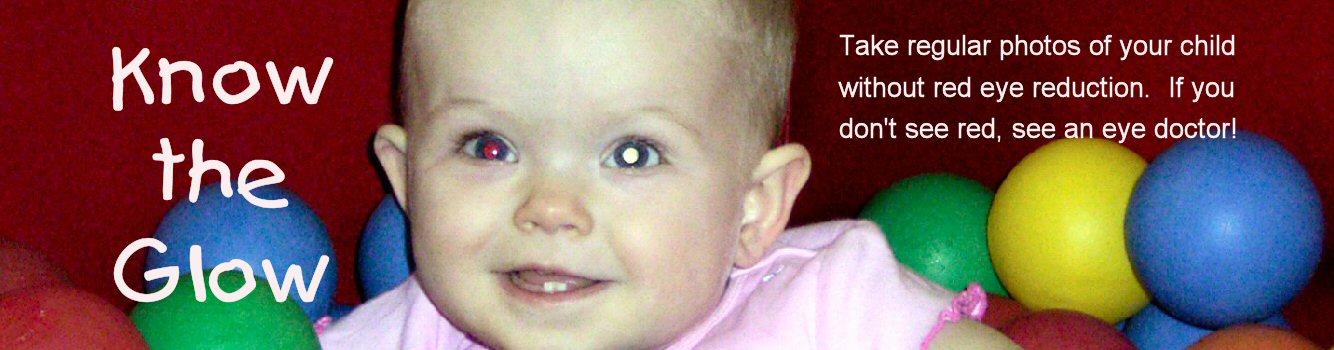
A White pupil is the most common early sign of eye cancer in young children, and it’s usually seen first in photos. Do you want to turn your smartphone into a powerful cancer-detector? Mark Billings, WE C Hope USA Director, tells the story behind the CRADLE app and explains how you can help scientists improve it.
https://wechope.org/wp-content/uploads/2019/12/Scan-Mode.jpg763800Abby Whitehttps://wechope.org/wp-content/uploads/2015/08/WeCH-Logo-web2.jpgAbby White2019-12-09 08:59:452020-04-27 09:51:30From CRADLE to Care: Your Photos Can Help Scientists Build an App for Parents to Diagnose Serious Child Eye Disease Early.
This season can be particularly tough when childhood cancer or its long term effects loom large for a family or individual. Retinoblastoma survivor and volunteer CEO, Abby White, shares advice for creating a calmer, more spacious and joyful Holiday, where self-care for all takes priority.
https://wechope.org/wp-content/uploads/2019/11/red_bauble_med.jpg10421569Abby Whitehttps://wechope.org/wp-content/uploads/2015/08/WeCH-Logo-web2.jpgAbby White2019-11-25 07:54:162023-01-07 19:21:2112 Ways to Have a More Joyful Holiday
Children diagnosed with retinoblastoma are especially vulnerable and sensitive to bullying due to treatment effects. Morgan Livingstone CCLS discusses what bullying is and isn’t, how parents can recognize the signs, and help young Rb survivors use stories and develop skills to stand up to bullies with confidence.
https://wechope.org/wp-content/uploads/2019/11/Bullying-Image.jpg500500Abby Whitehttps://wechope.org/wp-content/uploads/2015/08/WeCH-Logo-web2.jpgAbby White2019-11-11 09:58:592022-12-14 14:13:42Bullying After Retinoblastoma: How to Help Kids Respond With Confidence




Coronavirus: How to Protect Your Mental Health During Home Isolation
The coronavirus pandemic and social distancing measures are a high stress experience that may increase the risk of PTSD in an individual already susceptible due to childhood cancer trauma. Abby White explores 11 ways we can protect our mental health through the crisis, and reduce the risk of long-term negative effects.
Child Life in Retinoblastoma Care
Child life can profoundly impact a child’s experience of retinoblastoma, and their quality of life. However, many children treated at specialist retinoblastoma centres lack child life support, and their parents feel unsupported, compared with other cancer patients. Abby White explores the challenges and ways to overcome them.
Questions About COVID-19 and Retinoblastoma
People around the world are feeling anxious about the coronavirus pandemic. We understand the concern is especially acute for parents of children with retinoblastoma, and survivors who have chronic health conditions and second cancer diagnosis. Here we answer questions we have received about the virus.
International Care: Challenges and Opportunities
Families and medical professionals worldwide seek retinoblastoma care at centres offering treatments that are unavailable in their home country. Many families contact WE C Hope for assistance before, during or after such treatment. Abby White explores the challenges they experience and what can be done to help improve outcomes for their children.
Perfect Vision: Care and Cure for Children with Eye Cancer in Developing Countries
Retinoblastoma is highly curable with early diagnosis and modern therapies. But 90% of affected children live in developing countries, and globally, less than 3 in 10 children survive. Rb survivor and volunteer CEO, Abby White, explores the biggest challenges to care in developing countries, and some ways to overcome them.
4 Key Ways Sharing Your Story Makes a Difference, and Tips for Telling
Every individual in the retinoblastoma community has a unique story to tell – whether parent, survivor, sibling, professional, extended family member or supporter. Abby White explores the importance of storytelling, and the many ways in which sharing your story can make a difference – to your own life, and to the world.
#TuesdayTunes: Songs With Meaning
Throughout this year, we have shared monthly #TuesdayTunes on our social media – songs chosen by parents, survivors and professionals in our retinoblastoma community because of their special personal meaning. As the year draws to a close, we gather together all this beautiful music and insight, and welcome in the new decade with heart.
From CRADLE to Care: Your Photos Can Help Scientists Build an App for Parents to Diagnose Serious Child Eye Disease Early.
A White pupil is the most common early sign of eye cancer in young children, and it’s usually seen first in photos. Do you want to turn your smartphone into a powerful cancer-detector? Mark Billings, WE C Hope USA Director, tells the story behind the CRADLE app and explains how you can help scientists improve it.
12 Ways to Have a More Joyful Holiday
This season can be particularly tough when childhood cancer or its long term effects loom large for a family or individual. Retinoblastoma survivor and volunteer CEO, Abby White, shares advice for creating a calmer, more spacious and joyful Holiday, where self-care for all takes priority.
Bullying After Retinoblastoma: How to Help Kids Respond With Confidence
Children diagnosed with retinoblastoma are especially vulnerable and sensitive to bullying due to treatment effects. Morgan Livingstone CCLS discusses what bullying is and isn’t, how parents can recognize the signs, and help young Rb survivors use stories and develop skills to stand up to bullies with confidence.