“I have retinoblastoma”. Medical professionals would correct me – “you had retinoblastoma – now you are cancer-free”. But am I really free from cancer?
https://wechope.org/wp-content/uploads/2015/03/Fire-Lilies-1.jpg392480Abby Whitehttps://wechope.org/wp-content/uploads/2015/08/WeCH-Logo-web2.jpgAbby White2015-03-01 01:10:112019-07-29 17:29:13Fire Lilies: living with a Rare Cancer Syndrome
So many days I feel I am banging my head against a wall, watching children die who could have been saved with clear information, simple surgery and emotional support. But the knowledge of how life could be made better for each child, family and survivor is a strong motivational pull. The suffering that can be mitigated with relatively small resources. Somehow when I think I have no more energy, I mine a new seam from within, and from the encouragement and kindness of others, and I move forward, one step at a time.
https://wechope.org/wp-content/uploads/2014/06/The-Road-Not-Travelled.jpg480640Abby Whitehttps://wechope.org/wp-content/uploads/2015/08/WeCH-Logo-web2.jpgAbby White2014-06-08 21:18:272024-09-12 14:24:20A Rough Road Through The Valley
A positive, open relationship between parents and the child’s medical team is vital throughout treatment and beyond. A therapeutic alliance requires good communication, mutual trust, respect and care, as well as knowledge and skills to provide high quality medical care.
Intraocular retinoblastoma is classified and staged to help doctors describe the degree of cancer in a child’s eye, determine best treatment options, define potential for cure / eye salvage, and compare impact of different therapies. Each eye is classified to define potential for safely saving the eye / vision. Stage of bilateral Rb is based on the worst affected eye, as an indicator of risk to the child’s life. When an eye might be classified into one of two groups, the higher risk group should be selected. This reduces risk of eye loss or life threatening relapse due to under-treatment.
https://wechope.org/wp-content/uploads/2014/05/InternationalClassification.jpg454604Abby Whitehttps://wechope.org/wp-content/uploads/2015/08/WeCH-Logo-web2.jpgAbby White2014-05-09 12:05:232019-07-29 17:16:41Staging and Classification for Intraocular Retinoblastoma
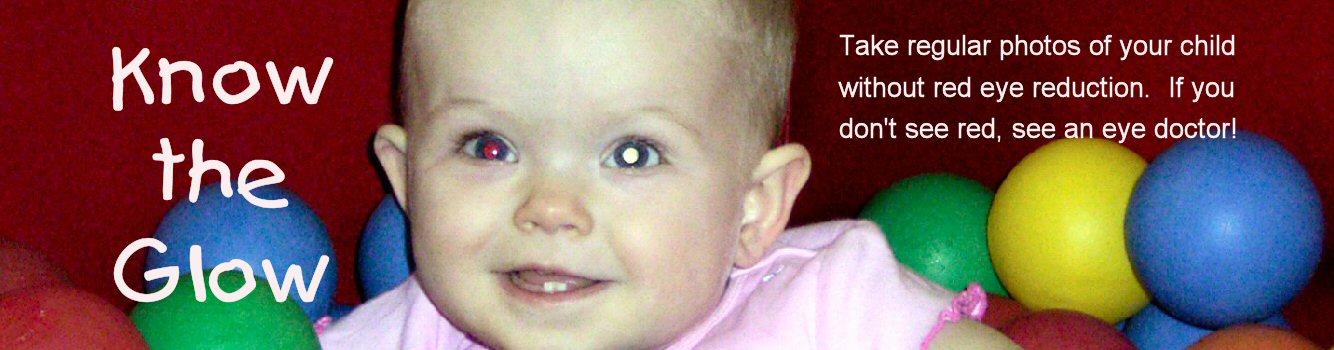
Taking photographs to check for red eye reflex is one of the best ways parents can detect early signs of serious eye disease in young children. Here we explain red eye photography and the simple technique all parents should know to check for healthy red reflex in children.
https://wechope.org/wp-content/uploads/2013/04/32a.jpg500640Abby Whitehttps://wechope.org/wp-content/uploads/2015/08/WeCH-Logo-web2.jpgAbby White2014-04-21 08:00:562024-12-14 18:08:37PhotoRED: Know the Glow and Check for Normal Fundal Reflex in Children.
https://wechope.org/wp-content/uploads/2014/04/22.jpg480640Abby Whitehttps://wechope.org/wp-content/uploads/2015/08/WeCH-Logo-web2.jpgAbby White2014-04-16 10:26:332019-07-29 17:13:04White Eye Glow in Photos: how and when to act!
Looking forward to Daisy Fund’s Africa Bush Trek marking Childhood Cancer Month 2014, Abby White recalls her 2005 adventure through Tanzania’s captivating wilderness. An epic experience raising funds that bring hope of life and sight saving care to children with eye cancer and their families.
https://wechope.org/wp-content/uploads/2013/12/Footsteps3a.jpg480640Abby Whitehttps://wechope.org/wp-content/uploads/2015/08/WeCH-Logo-web2.jpgAbby White2013-12-30 16:58:382019-07-29 17:06:05Trek for Hope: a golden opportunity to make a difference.
In early 2013, treatment was cancelled without warning for several Arizona children receiving care at Children’s Hospital of Los Angeles. No alternative plans were offered for essential life / sight saving therapy. The families approached Daisy’s Eye Cancer Fund for help. Read on to find out how we worked on their behalf to protect the children’s access to high quality on-going care.
https://wechope.org/wp-content/uploads/2013/12/Cactus-Monarch-Butterfly.jpg500750Abby Whitehttps://wechope.org/wp-content/uploads/2015/08/WeCH-Logo-web2.jpgAbby White2013-12-15 13:18:282019-07-29 17:04:37The Cactus and the Butterfly: Advocating Best Care for America’s Children.
https://wechope.org/wp-content/uploads/2013/12/Data-Data-Data.jpg388445Abby Whitehttps://wechope.org/wp-content/uploads/2015/08/WeCH-Logo-web2.jpgAbby White2013-12-02 17:23:202019-07-29 17:00:38DIY Guide to Assess Medical Information and Research (Part 2)
https://wechope.org/wp-content/uploads/2013/12/Information-to-Take-Responsibility.jpg528818Abby Whitehttps://wechope.org/wp-content/uploads/2015/08/WeCH-Logo-web2.jpgAbby White2013-12-01 14:29:262019-07-29 16:59:03DIY Guide to Assess Medical Information and Research (Part 1)




Fire Lilies: living with a Rare Cancer Syndrome
“I have retinoblastoma”. Medical professionals would correct me – “you had retinoblastoma – now you are cancer-free”. But am I really free from cancer?
A Rough Road Through The Valley
So many days I feel I am banging my head against a wall, watching children die who could have been saved with clear information, simple surgery and emotional support. But the knowledge of how life could be made better for each child, family and survivor is a strong motivational pull. The suffering that can be mitigated with relatively small resources. Somehow when I think I have no more energy, I mine a new seam from within, and from the encouragement and kindness of others, and I move forward, one step at a time.
Forming A Therapeutic Alliance: prescription for success
A positive, open relationship between parents and the child’s medical team is vital throughout treatment and beyond. A therapeutic alliance requires good communication, mutual trust, respect and care, as well as knowledge and skills to provide high quality medical care.
Staging and Classification for Intraocular Retinoblastoma
Intraocular retinoblastoma is classified and staged to help doctors describe the degree of cancer in a child’s eye, determine best treatment options, define potential for cure / eye salvage, and compare impact of different therapies. Each eye is classified to define potential for safely saving the eye / vision. Stage of bilateral Rb is based on the worst affected eye, as an indicator of risk to the child’s life. When an eye might be classified into one of two groups, the higher risk group should be selected. This reduces risk of eye loss or life threatening relapse due to under-treatment.
PhotoRED: Know the Glow and Check for Normal Fundal Reflex in Children.
Taking photographs to check for red eye reflex is one of the best ways parents can detect early signs of serious eye disease in young children. Here we explain red eye photography and the simple technique all parents should know to check for healthy red reflex in children.
White Eye Glow in Photos: how and when to act!
Trek for Hope: a golden opportunity to make a difference.
Looking forward to Daisy Fund’s Africa Bush Trek marking Childhood Cancer Month 2014, Abby White recalls her 2005 adventure through Tanzania’s captivating wilderness. An epic experience raising funds that bring hope of life and sight saving care to children with eye cancer and their families.
The Cactus and the Butterfly: Advocating Best Care for America’s Children.
In early 2013, treatment was cancelled without warning for several Arizona children receiving care at Children’s Hospital of Los Angeles. No alternative plans were offered for essential life / sight saving therapy. The families approached Daisy’s Eye Cancer Fund for help. Read on to find out how we worked on their behalf to protect the children’s access to high quality on-going care.
DIY Guide to Assess Medical Information and Research (Part 2)
DIY Guide to Assess Medical Information and Research (Part 1)