• Subscribe to Our Email Newsletter – Visions of Hope
  • Home
  • Contact Us
WE C Hope
  • Link to Facebook
  • Link to Instagram
  • Link to LinkedIn
  • Link to Youtube
  • Link to Mail
  • About WE C Hope
    • Our Mission, Values, and Goals
    • Our History
    • Daisy and Rati
    • Daisy’s Story
    • Rati’s Story
    • Meet Our Team
    • Chapters and Partners
    • Contact Us
  • Find Hope
    • Rb Overview
      • How the Eye Works
      • Rb Biology
      • Unilateral Rb
      • Bilateral Rb
      • Extraocular Rb
      • Trilateral Rb
      • Genetics
      • Signs & Symptoms
      • Referral & Diagnosis
      • Treatments
      • Care After Treatment
      • Prognosis
      • Glossary
    • Know the Glow
      • Fundal (Red Eye) Reflex and Red-Eye Reduction
      • White Eye Reflex
      • Photo Challenge
      • White Eye and Rb
      • White Eye and Adults
      • PhotoRED Technique
      • Next Steps
      • Examining the Fundal / Red Reflex
    • Medical Care
      • Diagnosis and Staging
      • Genetics
      • A Therapeutic Alliance
      • Medical Procedures
      • Treatment
        • Enucleation
        • Focal Therapy
        • Chemotherapy
        • Radiation Therapy
        • Transplant
        • Side Effects
      • Clinical Research
      • Surviving Hospital
      • International Care
      • End of Treatment
      • End of Life Care
    • Child Life
      • More Than Play
      • Procedure Support
      • Pain Management
      • Special Eyes
      • Psychological Support
    • Living With Rb
      • Children
      • Parents
      • Grandparents
      • School Life
      • Eye Care
      • Bereavement
      • Focus on Hope
    • Family and Friends
    • Through Our Eyes
    • Other Organizations
  • Programs
    • Awareness Campaigns
      • Alphabet of Hope
        • 2025-26 Alphabet – #RbChildLife
        • Previous Alphabets of Hope
      • World Rb Week
      • Gold Ribbon Month
      • International Childhood Cancer Day
    • Rati’s Challenge
      • Retinoblastoma in LMICs
      • Kenya National Rb Strategy
      • Early Detection
      • Child Life & Family Support
      • In Memory of Jayne and Bella
    • One Rb World
      • Best Practice Guidelines
      • One Rb World Map
      • Global Research Community
      • One Rb World Conference
    • Supporting Families
      • Retinoblastoma Information
      • Help for Individual Families
      • Social Media Groups
      • Virtual Events
      • USA Family Days
      • Family Focus at One Rb World
  • Events
    • Fundraising Events
    • Rb Family Days & Weekends
    • One Rb World Conference
    • Save The Date
    • Recent Events
  • One Rb World
    • About the Conference
    • View Past Sessions
    • One Rb World 2026
    • One Rb World 2024
    • One Rb World 2021
    • One Rb World 2020
    • One Rb World 2017
  • Give Hope
    • How Your Money Helps
    • My Story
    • Donate
      • Donate Online Now
      • Donate by Post
      • In Kind Gifts
      • Leave a Legacy
    • Fundraise
      • Create a Fundraising Page
      • WE C Hope Merch
      • Hold Your Own Event
      • WE C Hope Events
      • Sporting Challenges
      • Overseas Challenges
      • Corporate Partnerships
    • Volunteer
      • Volunteer Opportunities
  • News & Media
    • WE C Hope Blog
    • Visions of Hope eNews
    • Media Resources
  • Chapters & Partners
    • Canada
    • UK
    • USA
    • Kenya – Partner
  • Donate
  • Click to open the search input field Click to open the search input field Search
  • Menu Menu
You are here: Home1 / Retinoblastoma Resource2 / Through Our Eyes3 / Bilateral Rb4 / Ernest (Kenya)
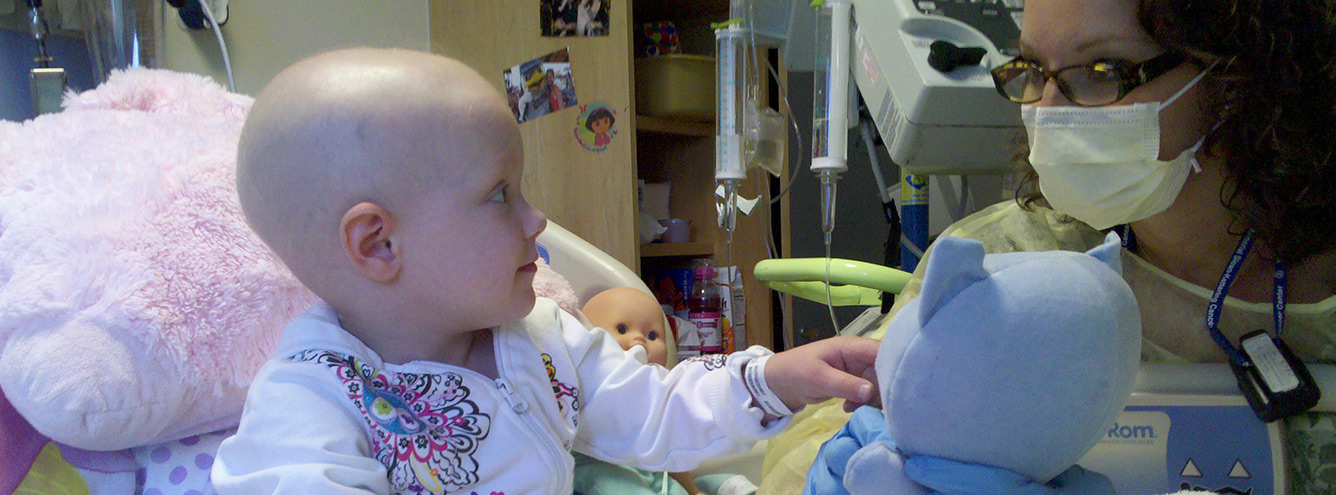
A child life specialist uses a toy cat with removable eye to help a young girl receiving chemotherapy cope with eye removal and artificial eyes.

Give hope - DONATE NOW!

Ernest’s Story – told by Richard Bonyo, a family friend.

Ernest and his twin sister Teresa were born in Migori, Western Kenya, on May 18, 2005, Like his sister, Ernest weighed a healthy 3.4Kg. Their first year was unremarkable, and their parents relished the joy of two happy, apparently healthy babies.

In July 2006, when Ernest was 14 months old, his mother, Perez, noticed a whitish reflection in his left eye. She immediately began seeking medical help from local hospitals and chemists, but no one could find a cause for the strange white pupil.

A lion cub haloed in light. We could not share a photo of Ernest because his cancer was so advanced.

In October 2006, Ernest’s left eye began swelling rapidly. The swelling became so extreme, it changed the shape of his right eye. Doctors at Migori’s Akidiva Memorial Hospital referred Ernest to the neighboring Ombo Mission Hospital for an eye exam. The hospital’s only ophthalmologist could not make a diagnosis, and prescribed gentamicine eye ointment.

For a year, ointment was applied to the eye, apparently helping to reduce the swelling. However, in September 2007, Ernest’s right eye also began to itch and swell, and he eventually lost all his vision.

By this time, Immediate family and community members were convinced Ernest had been bewitched by a local woman. The woman had settled with Perez’ husband, who feared the appearance of his son’s bulging eyes. So Perez looked to traditional Jolemo healers, while continuing to search for help among conventional doctors.

At this time, I worked with a local NGO for orphans and vulnerable children, which Perez turned to for help I and my colleagues supported the family and wider community in a diligent search for qualified specialist medical care.

Through these efforts, we were able to convince the family and community that Ernest’s condition had nothing to do with witchcraft.   He returned to Migori District Hospital in September 2007, where the possibility of eye cancer was raised for the first time. Ernest was referred to Nyanza Provincial General Hospital in Kisumu for specialist evaluation.

Sadly, Perez did not pursue this referral as she had no funds even for food and could not afford to buy a bus ticket. Despite appeals from myself and Perez to the community, no help was received due to deep poverty in the area.

Four weeks later, Ernest’s pain was excruciating and he could not eat. Seeing his plight spurred me to do all within my means and ability to ensure he received medical attention. I prayed that, by the Grace of Almighty God, he would live to become one of the leading crusaders for childhood eye cancer in Kenya.

On 19th November 2007, I took Ernest and his mother to Kenyatta National Hospital in Nairobi where he was admitted to the retinoblastoma ward. A CT scan confirmed bilateral retinoblastoma, and 10 days after admission, Ernest received his first chemotherapy. Within only six days, both eyes had returned close to their normal size.

Ernest was discharged on December 12th, to return in 3 weeks for his second cycle pf chemotherapy, after which both eyes would be surgically removed. Unfortunately, Kenya was in chaos in January 2008, as post-election unrest paralyzed transport systems.

I too was not spared the chaos. My shop in Migori – my family’s only source of income – was looted by rioting youths, and by the time peace returned at the end of February, my hopes of providing immediate financial support to Ernest were dashed.

My wife and I continued to set aside funds for Ernest but they were limited. On 17th July 2008, he was readmitted to Kenyatta National Hospital. Surgery to remove his eyes was scheduled for July 20th, to be followed more chemotherapy. Unfortunately, Ernest did not undergo the surgery or chemotherapy as neither his mother nor I could afford the KSh 8,000 ($100) cost.

During one visit to the hospital in October 2008, I saw a flyer about Daisy’s Eye Cancer Fund on the ward. I contacted the organization’s Nairobi office requesting emotional and financial support for the little boy.

Brian Ouma, Director of DECF-Kenya (now part of the Kenya Childhood Cancer Trust), visited Ernest and his mother at the hospital. He consulted with the medical team, who confirmed our fears that Ernest’s cancer was now too advanced to be cured. Any surgery and chemotherapy would be palliative, and the priority for his care at this stage was quality of life. Brian liaised with services across the country, and secured free admission for Ernest to the newly opened St Catherine’s Hospice in Kisumu, Kenya’s only exclusively paediatric hospice.

Sadly, before this process was complete, Ernest died suddenly on 26th October at Kenyatta National Hospital. His sad story ended with his burial four days later at Langata cemetery in Nairobi – his family could not afford to transport his body home to Migori.

One may not believe the very primitive beliefs pegged on blind children in rural Kenyan communities. Perez has seen it all, heard it all and felt all the humiliation and isolation of this situation. She was abandoned by her husband and mother because of the way the cancer disfigured and blinded Ernest, because of the stigma associated with removing eyes and because of the financial burdens his care placed on the impoverished family.

Following Ernest’s death, his father demanded a reunion with his wife, Perez. He now saw her as free from the burden of a blind child, Due to extreme poverty, Perez returned to her husband, but in a final tragic twist to her story, she felt compelled to leave Ernest’s twin sister, Tereza, with her grandmother. She and her husband feared that Tereza may also develop retinoblastoma and she had no emotional strength to face this possibility.

My great wish and prayer is slowly being answered – awareness campaigns created through our Kenyan National Rb Strategy are bringing knowledge and understanding to the ordinary “wananchi” of Kenya. Medical training and specialist care are improving and family support initiatives are beginning to overcome the barriers that prevent families accepting treatment.

Retinoblastoma stole Ernest’s life and the fear it created left his twin sister without the presence of loving parents. The combination of poverty and retinoblastoma in Kenya is devastating. Tragedies like these can be prevented. My humble appeal is that the world should not forget the urgent needs of children and their families affected by Rb in Africa. As a national and global community, we must do everything in our power to reduce the chance of death from retinoblastoma, especially among poorer families who currently struggle to find help and are unable to support vital life-saving treatment to its conclusion.

Ernest’s cancer was so advanced by the time he reached specialist care, we cannot share his photograph. He was a little lion cub with great courage.


Give life and sight to a child with eye cancer today

DONATE
Share this page
  • Share on Facebook
  • Share on X
  • Share on WhatsApp
  • Share on Pinterest
  • Share on LinkedIn
  • Share on Tumblr
  • Share by Mail
  • Link to Instagram
  • Retinoblastoma Overview
    • How the Eye Works
    • Retinoblastoma Biology
    • Unilateral Retinoblastoma
    • Bilateral Retinoblastoma
    • Extraocular Retinoblastoma
    • Trilateral Retinoblastoma
    • Genetics of Retinoblastoma
    • Global Incidence
    • Signs and Symptoms
    • Referral and Diagnosis
    • Treatments
    • Care After Treatment
    • Prognosis
    • Retinoblastoma Glossary
  • Know the Glow
    • Fundal (Red Eye) Reflex and Red-Eye Reduction
    • White Eye Reflex
    • Photo Challenge
    • White Eye and Rb
    • White Eye after Rb Diagnosis
    • White Eye and Adults
    • PhotoRED Technique
    • Next Steps
    • Examining the Fundal / Red Reflex
  • Medical Care
    • Questions to Ask the Medical Team and Yourself
    • Diagnosis and Staging
      • Staging Systems
      • Multidisciplinary Team and Tumour Board
      • Treatment Plan and Care Pathway
      • Hospital Packing Tips
    • Retinoblastoma Genetics
      • Rb Genetics Explained
      • Mosaic Mutations
      • MYCNA Retinoblastoma
      • Genetic Counseling
      • Genetic Testing
      • Genetic Test Results
      • Pre-implantation Genetic Diagnosis (PGD)
      • Genetics Glossary
    • A Therapeutic Alliance
      • Your Child’s Doctors
      • Good Communication
      • Resolving Conflict
      • Second Opinions
      • Changing Doctors
      • Medical Staff
    • Medical Procedures
      • Informed Consent
      • Procedure Pain
      • Blood Draw
      • Bone Marrow Aspiration
      • Bone Scan
      • Chest X-ray
      • CT Scan
      • Echocardiogram
      • EUA
      • Eye Pressure Test
      • General Anaesthetic
      • Hearing Tests
      • Inserting an IV
      • Intrathecal Injection
      • Lumbar Puncture
      • MRI Scan
      • Radionuclide GFR
      • Subcutaneous Injection
      • Taking a Temperature
      • Transfusion
      • Ultrasound of the Eye
      • Vision Testing
      • Vision Testing – Support Your Child
      • Vision Testing – Just For Kids!
    • Treatment
      • Risk of Under-Treatment and Over-Treatment
        • Reduce Risk of Under-Treatment and Over-Treatment
      • Treatment Decision Making Guide
        • Step 1 – Acknowledge Your Thoughts and Feelings
        • Step 2 – Understand Your Decision-Making Style
        • Step 3 – Find Your Expert Team
        • Step 4 – Understand Shared Decision Making and Informed Consent
        • Step 5 – Set an Intention to Make Balanced Decisions
        • Step 6 – Learn About Retinoblastoma
        • Step 7 – Evaluate Your Options
        • Step 8 – Consider Your Values and Goals
        • Step 9 – Manage Disagreement and Conflict
        • Step 10 – Make Your Decision
        • Step 11 – Review Your Decision
        • Step 12 – Support Your Child and Yourself
        • Review the 12 Decision Making Steps
      • Enucleation
        • Making the Decision
        • Eye Removal Surgery
        • Orbital Implants
        • Types of Orbital Implant
        • Side Effects
        • Pathology
        • After Surgery
        • Coping with Other People
        • Artificial Eyes
        • Artificial Eye Care
      • Focal Therapy
        • Laser
        • Cryotherapy
        • Periocular Chemotherapy
        • Intravitreal Chemotherapy
      • Chemotherapy
        • Chemotherapy for Rb
        • Intra-Arterial Chemotherapy
        • Regimens and Protocols
        • During Treatment
        • Central Venous Catheter
        • CVC Care and Risks
        • Blood Test Results
        • When to Call the Doctor
      • Radiation Therapy
        • Radioactive Plaque
        • Coping With Isolation
        • Radiotherapy
        • Radiotherapy Planning
        • Treatment Process
        • EBRT Side Effects
        • Ask the Doctor
      • Transplant
        • Types of Transplant
        • Transplant Process
        • Coping With Transplant
        • Complications
        • Long-term side effects
        • Ask the Doctor
      • Side Effects
        • Low Blood Counts
        • Pneumonia and Chickenpox
        • Protect Your Neutropaenic Child
        • Pets and Infection Risk
        • Fatigue
        • Pain
        • Hair Loss
        • Nausea and Vomiting
        • Taste Changes
        • Oral Care
        • Skin and Nails
        • Diarrhoea
        • Constipation
        • Bed Wetting
        • When to Call the Doctor
      • Occlusion Therapy (Eye Patching)
        • Introduction to Eye Patching
        • Preparing to Patch
        • Support Your Patching Child
        • Eye Patching – Just For Kids!
    • Clinical Research
      • Clinical Research Introduction
      • Clinical Research Phases
      • Protocol Document
      • Monitoring and Safety
      • Rb Clinical Research
      • Informed Consent
      • Ask the Investigator
      • Ethnography Research
      • Patient-Led Research – A New Approach
      • Patient-Led Research – Challenges and Development
    • Surviving Hospital
      • Advocate for Your Child
      • Packing for Hospital
      • Hospital Life
      • Your Child’s Space
      • Record Keeping
      • Recreation
    • International Care
      • Contacting Doctors
      • Finances and Fundraising
      • Travel and Housing
      • Questions to Ask
    • End of Treatment
      • Celebration
      • Follow Up Care
      • Follow Up Schedule
      • Life-Long Follow Up
      • Removing the Central Line
      • A New Normal
      • Relapse
      • Second Primary Cancers
      • Symptoms of Second Primary Cancers
      • Ask the Doctors
    • End of Life Care
      • Changing Treatment Goals
      • Palliative Care
  • Child Life
    • Child Life is More Than Play
      • The Art of Child Life
    • Procedure Support
      • Stay Calm
      • Make a Plan
      • Medical Play
      • Distraction Play
      • Comfort Positions
      • Giving Eye Drops
      • Support for Needle Procedures
      • Anaesthetic Induction
      • Preparing for Surgery
      • Preparing for Enucleation
      • Imaging Scans
      • HandWashing for Kids
      • Reduce Face Touching
    • Pain Management
      • Know the Signs of Pain
      • Manage Pain
      • Mind-Body Strategies
    • Living With a Special Eye
      • Before Enucleation
      • Going to the Ocularist
      • Making an Artificial Eye
      • Handling the Special Eye
      • Keeping the Eye in Place
      • The Young Child Living With a Special Eye
      • The Older Child Living With a Special Eye
      • When There Is No Eye
    • Psychological Support
      • Reduce Your Stress
      • Infant Massage Training
      • Talking With Kids About Vision Loss
      • Talking About Vision Loss – For Kids!
      • Support and Encourage
      • Coping With Difference
      • Worry Eaters Guide
      • Personal Story Books
      • Youth Retinoblastoma Support at Upopolis
      • Camp Sunshine Rb Week
      • Activities for Isolating With Children
      • Post-Traumatic Stress Disorder in Childhood Cancer
  • Living With Retinoblastoma
    • Children
      • Children Learn From You
      • Sibling Responses
      • Support Siblings
      • Communicate
      • Reduce Stress
      • Tantrums
      • Discipline
    • Parents
      • Emotional Responses
      • Manage Anger
      • Depression and PTSD
      • Look After Yourself
      • Relationships
      • Sharing the News
      • Update People
      • Seek and Accept Help
    • Grandparents
      • Genetic Implications
      • How You Can Help
      • Look After Yourself
    • School Life
      • Effects of Treatment
      • Preparing For School
      • School Activities
      • Artificial Eye Care
      • Infection Control
      • Older Children
      • Advice for Teachers
    • Eye Care
      • Prevent Eye Injury
      • First Aid for the Eyes
      • Nutrition for the Eyes
    • Bereavement
      • End Of Life Care
      • Before the Funeral
      • Acts of Remembrance
      • Parental Grief
      • Sibling Grief
      • Carrying the Torch
    • Focus on Hope
      • False Hope
      • Encourage Hope
      • The First Alphabet of Hope
      • Alphabet of Hope 2018
      • Alphabet of Hope 2019 – #LifeBeyondRb
      • Alphabet of Hope 2020 – #FamilyInSight
      • Alphabet of Hope 2021 – #MindAndBody
      • Alphabet of Hope 2022 – #RbCare
      • Alphabet of Hope 2023 – #RbResearch
      • Alphabet of Hope 2024 – #RbEarlyDiagnosis
      • Alphabet of Hope 2025-2026 – #RbChildLife
  • Family and Friends
    • Practical Support
    • Emotional Support
    • Financial Support
    • Giving Gifts
    • Help From Young Friends
    • Words That Help
    • Words That Harm
    • Help During the Holidays
  • Through Our Eyes
    • RAE of Hope
    • Unilateral Rb
      • John (Kenya)
      • Rati (Botswana)
      • Connor (Canada)
      • Ewan (England)
      • Rowan (USA)
      • Bisrat S (Ethiopia)
      • Alexa (Ireland)
      • Linda (Kenya)
      • Lele (China)
      • Katelyn (USA)
      • Jordan (USA)
      • Danielle (Canada)
      • Bright (Cameroon)
    • Bilateral Rb
      • Daisy (UK)
      • Aidan (Canada)
      • Libby and Ella (USA)
      • Angie, Kieran and Cameron (UK)
      • Bisrat E (Ethiopia)
      • Abby (USA)
      • Brady (USA)
      • Sera (Fiji)
      • Katy and Harry (UK)
      • Hope (South Africa)
      • Ross Richard (USA)
      • Bella (Philippines)
      • Peter (Kenya)
      • Jaymee (Australia)
      • Ella Nina (Burundi)
      • Ernest (Kenya)
    • Extraocular Rb
      • Rati (Botswana)
      • Ross Richard (USA)
      • Bella (Philippines)
      • Sera (Fiji)
      • Ella Nina (Burundi)
      • Ernest (Kenya)
      • Bright (Cameroon)
    • Trilateral Rb
      • Libby and Ella (USA)
  • Other Organizations
    • Rb Communities on Social Media
    • Retinoblastoma Organizations
    • Childhood Cancer
    • General Cancer Support
    • Emotional Support
    • Financial Support
    • Transport Providers
    • Hospital Housing
    • Support for Children
    • Support for Siblings
    • Support for Survivors
    • Cancer Camps
    • Wish Granting
    • Disability Support
    • Bereavement Support
Give Hope - Donate Now text in white on a sunny orange gold button background that fades into red, colours reflecting the WE C Hope logo.
Subscribe to Visions of Hope - text in white on a vibran yellow button background that fades into sunny orange gold, colours reflecting the WE C Hope logo.

Retinoblastoma

  • Retinoblastoma Overview
  • Know the Glow
  • Medical Care
  • Child Life Support
  • Living With Retinoblastoma
  • Through Our Eyes

Canada

Special fund at the University Health Network

Who We Are

  • Our Mission, Values, and Goals
  • Our History
  • Daisy and Rati
  • Meet Our Team
  • Contact Us

UK

Registered Charity #: 111-11-33

What We Do

  • One Rb World
  • Rati’s Challenge
  • Awareness Campaigns
  • World Rb Week
  • Supporting Families
  • WE C Hope Blog

USA

501(c)(3) National Non Profit - EIN: 45-4886827

Get Involved

  • Subscribe to Visions of Hope eNews
  • How Your Money Helps
  • Donate Now
  • Fundraise
  • Corporate Partnerships
  • Volunteer

Kenya Partner

Kenya Childhood Cancer Trust
  • FaceBook
  • instagram
  • linkedin
  • youtube
© Copyright 2023 - WE C Hope | Disclaimer | Terms & Conditions | Privacy Policy
Scroll to top Scroll to top Scroll to top
Translate »