• Subscribe to Our Email Newsletter – Visions of Hope
  • Home
  • Contact Us
WE C Hope
  • Link to Facebook
  • Link to Instagram
  • Link to LinkedIn
  • Link to Youtube
  • Link to Mail
  • About WE C Hope
    • Vision, Mission and Values
    • Our History
    • Daisy and Rati
    • Daisy’s Story
    • Rati’s Story
    • Meet Our Team
    • Chapters and Partners
    • Contact Us
  • Find Hope
    • Rb Overview
      • How the Eye Works
      • Rb Biology
      • Unilateral Rb
      • Bilateral Rb
      • Extraocular Rb
      • Trilateral Rb
      • Genetics
      • Signs & Symptoms
      • Referral & Diagnosis
      • Treatments
      • Care After Treatment
      • Prognosis
      • Glossary
    • Know the Glow
      • Fundal (Red Eye) Reflex and Red-Eye Reduction
      • White Eye Reflex
      • Photo Challenge
      • White Eye and Rb
      • White Eye and Adults
      • PhotoRED Technique
      • Next Steps
      • Examining the Fundal / Red Reflex
    • Medical Care
      • Diagnosis and Staging
      • Genetics
      • A Therapeutic Alliance
      • Medical Procedures
      • Treatment
        • Enucleation
        • Focal Therapy
        • Chemotherapy
        • Radiation Therapy
        • Transplant
        • Side Effects
      • Clinical Research
      • Surviving Hospital
      • International Care
      • End of Treatment
      • End of Life Care
    • Child Life
      • More Than Play
      • Procedure Support
      • Pain Management
      • Special Eyes
      • Psychological Support
    • Living With Rb
      • Children
      • Parents
      • Grandparents
      • School Life
      • Eye Care
      • Bereavement
      • Focus on Hope
    • Family and Friends
    • Through Our Eyes
    • Other Organizations
  • Programs
    • Awareness Campaigns
      • Alphabet of Hope
        • 2025-26 Alphabet – #RbChildLife
        • Previous Alphabets of Hope
      • World Rb Week
      • Gold Ribbon Month
      • International Childhood Cancer Day
    • Rati’s Challenge
      • Retinoblastoma in LMICs
      • Kenya National Rb Strategy
      • Early Detection
      • Child Life & Family Support
      • In Memory of Jayne and Bella
    • One Rb World
      • Best Practice Guidelines
      • One Rb World Map
      • Global Research Community
      • One Rb World Conference
    • Supporting Families
      • Retinoblastoma Information
      • Help for Individual Families
      • Social Media Groups
      • Virtual Events
      • USA Family Days
      • Family Focus at One Rb World
  • Events
    • Fundraising Events
    • Rb Family Days & Weekends
    • One Rb World Conference
    • Save The Date
    • Recent Events
  • One Rb World
    • About the Conference
    • View Past Sessions
    • One Rb World 2026
    • One Rb World 2024
    • One Rb World 2021
    • One Rb World 2020
    • One Rb World 2017
  • Give Hope
    • How Your Money Helps
    • My Story
    • Donate
      • Donate Online Now
      • Donate by Post
      • In Kind Gifts
      • Leave a Legacy
    • Fundraise
      • Create a Fundraising Page
      • WE C Hope Merch
      • Hold Your Own Event
      • WE C Hope Events
      • Sporting Challenges
      • Overseas Challenges
      • Corporate Partnerships
    • Volunteer
      • Volunteer Opportunities
  • News & Media
    • WE C Hope Blog
    • Visions of Hope eNews
    • Media Resources
  • Chapters & Partners
    • Canada
    • UK
    • USA
    • Kenya – Partner
  • Donate
  • Click to open the search input field Click to open the search input field Search
  • Menu Menu
You are here: Home1 / Retinoblastoma Resource2 / Medical Care3 / Clinical Research4 / Ethnography Research
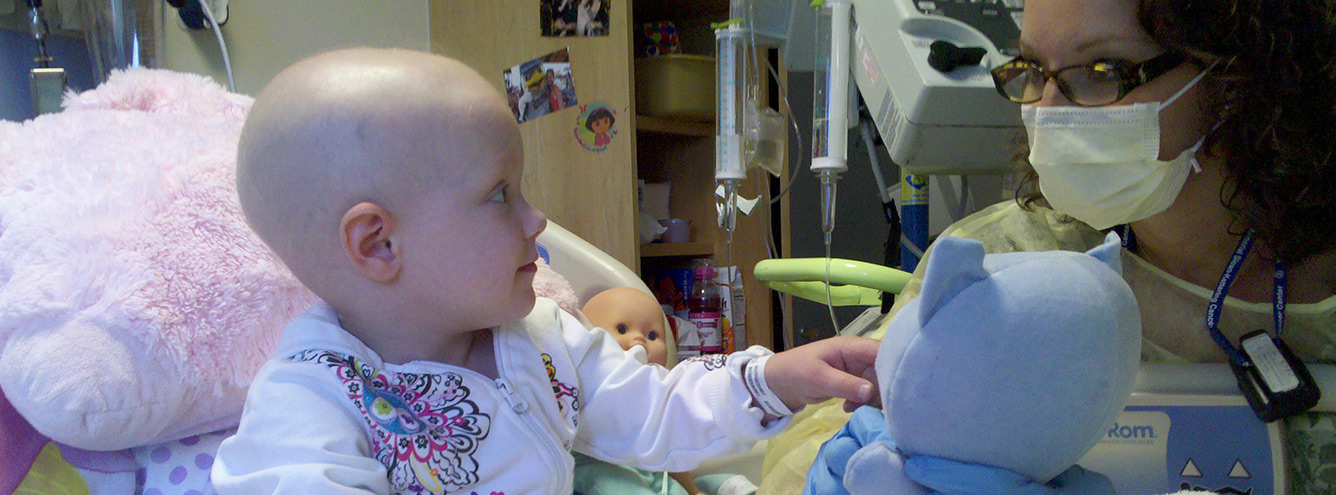
A child life specialist uses a toy cat with removable eye to help a young girl receiving chemotherapy cope with eye removal and artificial eyes.

Give hope - DONATE NOW!

Ethnography Research

Clinical research is vital to advance vision- and life-saving treatment of retinoblastoma. Understanding the human experience of childhood eye cancer can impact how we provide medical and supportive care.

Ethnography is a type of qualitative research that helps us learn more about people’s personal experiences by talking with, listening to, and observing them in their natural environment and everyday life.

Ethnographic studies can gain important insights into patient, family, and survivor experience, with great potential to enhance care worldwide.
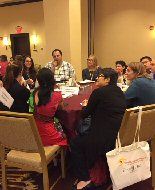
A group of parents, survivors and professionals are seated about a table talking. There are lots of papers on the table, and some people are taking notes.

What is the Difference Between Qualitative and Quantitative Research?

“Qualitative” and “quantitative” describe different scientific approaches to investigate a subject.

Quantitative research is highly structured, designed to prove or disprove a theory using facts, numbers and statistics.  It:

  • Has a narrow focus.
  • Aims to test a pre-defined hypothesis.
  • Relies on facts, numbers, and statistics.
  • Uses surveys and questionnaires* with closed questions and specified responses such as YES/NO, c­­­­hecklist boxes and multiple choice; agreement scales such as Terrible, Poor, Average, Good, Excellent; and numbers such as age ranges or percentages.

Qualitative research is semi-structured and flexible, designed to answer a question and understand the human perspective, using direct observation. It:

  • Is broad in focus
  • Aims to develop a theory.
  • Collects participant experiences, opinions, and views; and researcher observations.
  • Uses surveys and questionnaires* with open questions that ask respondents to use their own words rather than choosing a set response.
  • Facilitates and observes focus groups
  • Uses structured interviews and unstructured conversations.
  • Observes participants in their routines and activities of daily life.

A questionnaire is a set of questions posed to research participants.  It is one part of a survey – the scientific process of gathering, studying, and interpreting data from all participants.  A questionnaire collects data; a survey aims to understand the subject.

What is Ethnographic Research?

  • Ethnographic research aims to engage with and understand people and real-world settings in a specific population.  Researchers listen carefully to study participants, and observe their behaviour during daily routines and activities.  They have structured and unstructured conversations, rather than relying solely on surveys, and questionnaires that use standardized responses.

    The goal is to gather perspectives and experiences in the real-world context.  Studying the collected data deepens understanding of what individuals and groups of people think and feel; how they act, react, and interact with the world around them; and the things that influence their experience.

    Ethnography can assess how children, families, and medical professionals interact with and respond to current and changing practices in retinoblastoma care.  The research can provide evidence to support more effective early diagnosis, medical care, and psychosocial support within specific environments.

    Ethnographic research has roots in anthropology, and is now a common process in social science and holistic health care research.  Ethnographic study of health systems is a rapidly growing area in medical anthropology.

How Does Ethnography Work?

Ethnographers use a range of methods to explore people’s lived experience.  High quality studies combine at least three data collection methods, as one method alone is rarely reliable.  The most common methods are:

  • Direct observation.
  • Participant diaries and journals.
  • Structured interviews and semi-structured focus group discussions.
  • Video and audio recordings, photography, and other documentary media.
  • Participant self-expression creative content (e.g. writing, art, and music).

In observational research, the researcher may participate directly in the action (for example, as a facilitator, or as a member of the population being studied); or they may be an independent observer – present while the action takes place, with no interaction.

The researcher systematically witnesses, documents, describes, analyses, and interprets participant words and actions, their environment, interactions, and related events.  The range of observational, conversational, and expressive art methods makes ethnography an ideal approach to study babies and very young children, non-verbal participants, and communities who are less confident with the written word and/or speak languages different from the researcher.

Analysis of the gathered data will vary depending on the collection methods, but the goal is always to produce a detailed report of participant experiences within a specific context.  Good researchers look for patterns and recurring themes, and describe common experiences and their impacts on participants.  They will then further assess their findings to connect various factors, and identify potential solutions to documented challenges.  From here, they will build up a theory, and eventually test it with further research in the field.

Ethnography has a number of features that distinguish it from quantitative research.  These include:

  • Number of participants is usually small; may study only one person in depth.
  • Explores social experience, rather than testing a specific hypothesis.
  • Often explores a previously un-researched subject.
  • Describes in depth the lived experience of a specific group of people. Reports are usually narrative, rather than statistical.
  • Involves extensive interviews, conversations, observation, interactive sessions, and other varied data.
  • Takes place in the participants’ everyday environments, rather than in a controlled environment such as a lab.
  • Takes a holistic approach, rather than a narrow focus.
  • Uses multiple data collection methods to strengthen validity.
  • Uses a flexible, creative process that caters to participant needs, rather than a fixed methodology needed for statistical validity.
  • Involves close relationship and trust between researchers and participants.

What Skills do Ethnographic Researchers Need?

Ethnographers need many specific skills to conduct quality research.  They include:

  • Deep knowledge and understanding of the study focus (e.g. medical condition, child development, human relationships, organizational structure).
  • Ability to analyse, interpret and understand complex issues in the study population.
  • Objectivity to draw valid and reliable conclusions without bias or prejudice.
  • Familiarity with the settings in which research will take place.
  • Social and interpersonal skills, awareness, sensitivity, and diplomacy to respectfully interact with participants and their environments.
  • Familiarity with research ethics principles, and respect for them.

Is Ethnography Research in Healthcare Regulated?

Researchers must obtain informed consent from every participant.  As with all clinical research, informed consent means the participant:

  • Has received and reviewed all relevant information.
  • Understands the medical condition and reasons for the study.
  • Understands the potential benefits, risks, and impacts of the decision.
  • Has had appropriate opportunity to ask questions.
  • Makes the decision freely, without coercion.
  • Agrees to take part in the research study.

Because ethnographic research often takes place over several years, with broadening areas of study, and evolving relationships between researcher and participant, study protocols should include a process to regularly review and reconfirm informed consent.

What Are the Pros and Cons of Ethnography Research?

Like other forms of research, ethnographic studies have various advantages and benefits, disadvantages and risks, and validating the findings is vital.

Advantages and Benefits

In the study of people and place, ethnography has many advantages, gathering rich data that can draw out findings hidden from quantitative research.  The qualitative nature of ethnography allows researchers to:

  • Witness how people act, react, and interact with their environment, and the factors that drive their behaviour.
  • Use non-verbal observation methods to study diverse communities, including babies and toddlers.
  • Reveal facets of human behaviour within context.
  • Document diverse and complex human behaviour and experience.
  • Detail intricate relationships within a group, and in different relevant settings.
  • Understand why behaviours occur, as well as documenting their occurrence.
  • Identify unexpected issues that may not have been considered before.
  • Define follow-on research questions, and appropriate methods to address them.
  • Test theories and new initiatives to assess their validity and value.

Disadvantages and Risks

Ethnography is uniquely placed to study people and advance understanding of human society, but it does have potential drawbacks that can impact study design, data collection, and interpretation of the findings.  The main concerns are:

  • Researchers must have specific training and a complex skill-set.
  • The researcher’s personal views and beliefs may compromise objectivity and lead to biased findings (this is true with any form of research).
  • Thorough participant-focused research can take months or years for both the participants and researchers. Generating and analysing data is time-consuming.
  • Participant-focused research requires an uncommon level of intimacy and access to personal life that may disrupt both the research process, and the groups and environments being studied.
  • Potential invasion of privacy and breach of confidentiality may discourage participation, reducing the pool of lived experience to learn from. This is a particular concern when the study population is already small (as in retinoblastoma).
  • Building trust between researcher and participants is vital to facilitate open, honest involvement on both sides. This requires all parties to have time and patience, especially in the early stages of research.
  • Because participants know they are being studied, they may not behave naturally or speak truthfully, potentially skewing the research findings.
  • A certain volume of data is required to effectively draw conclusions. Too little may lead to false assumptions and misleading patterns of behaviour.  Too much may be difficult to process and analyse effectively.
  • Due to the human resources and time commitments involved, ethnographic research costs are much higher than conducting research with standard surveys.

During the ethical review application process, researchers are required to identify and describe potential benefits, risks, and mitigation efforts.  They must also discuss these with participants in the process of obtaining informed consent.

How is Ethnography Research Validated?

The interactive and observational methods used to gather data are situation specific, and therefore not easy to replicate.  Together with the possibility of researcher bias, these are significant threats to the validity of ethnographic research.

In the context of retinoblastoma research, another potential threat is the exclusion of blind and partially sighted community members when research design fails to consider accessibility.  Since this population experiences the most prolonged treatment and significant lifelong impacts, such exclusion would seriously undermine any findings.

However, a skilled researcher is able to address these threats in various ways.  For example developing a rigorous protocol in collaboration with community members, using multiple data collection methods that are accessible to all, and checking the findings and their interpretations in consultation with participants.


Give life and sight to a child with eye cancer today

DONATE
Share this page
  • Share on Facebook
  • Share on X
  • Share on WhatsApp
  • Share on Pinterest
  • Share on LinkedIn
  • Share on Tumblr
  • Share by Mail
  • Link to Instagram
  • Retinoblastoma Overview
    • How the Eye Works
    • Retinoblastoma Biology
    • Unilateral Retinoblastoma
    • Bilateral Retinoblastoma
    • Extraocular Retinoblastoma
    • Trilateral Retinoblastoma
    • Genetics of Retinoblastoma
    • Global Incidence
    • Signs and Symptoms
    • Referral and Diagnosis
    • Treatments
    • Care After Treatment
    • Prognosis
    • Retinoblastoma Glossary
  • Know the Glow
    • Fundal (Red Eye) Reflex and Red-Eye Reduction
    • White Eye Reflex
    • Photo Challenge
    • White Eye and Rb
    • White Eye after Rb Diagnosis
    • White Eye and Adults
    • PhotoRED Technique
    • Next Steps
    • Examining the Fundal / Red Reflex
  • Medical Care
    • Questions to Ask the Medical Team and Yourself
    • Diagnosis and Staging
      • Staging Systems
      • Multidisciplinary Team and Tumour Board
      • Treatment Plan and Care Pathway
      • Hospital Packing Tips
    • Retinoblastoma Genetics
      • Rb Genetics Explained
      • Mosaic Mutations
      • MYCNA Retinoblastoma
      • Genetic Counseling
      • Genetic Testing
      • Genetic Test Results
      • Pre-implantation Genetic Diagnosis (PGD)
      • Genetics Glossary
    • A Therapeutic Alliance
      • Your Child’s Doctors
      • Good Communication
      • Resolving Conflict
      • Second Opinions
      • Changing Doctors
      • Medical Staff
    • Medical Procedures
      • Informed Consent
      • Procedure Pain
      • Blood Draw
      • Bone Marrow Aspiration
      • Bone Scan
      • Chest X-ray
      • CT Scan
      • Echocardiogram
      • EUA
      • Eye Pressure Test
      • General Anaesthetic
      • Hearing Tests
      • Inserting an IV
      • Intrathecal Injection
      • Lumbar Puncture
      • MRI Scan
      • Radionuclide GFR
      • Subcutaneous Injection
      • Taking a Temperature
      • Transfusion
      • Ultrasound of the Eye
      • Vision Testing
      • Vision Testing – Support Your Child
      • Vision Testing – Just For Kids!
    • Treatment
      • Risk of Under-Treatment and Over-Treatment
        • Reduce Risk of Under-Treatment and Over-Treatment
      • Treatment Decision Making Guide
        • Step 1 – Acknowledge Your Thoughts and Feelings
        • Step 2 – Understand Your Decision-Making Style
        • Step 3 – Find Your Expert Team
        • Step 4 – Understand Shared Decision Making and Informed Consent
        • Step 5 – Set an Intention to Make Balanced Decisions
        • Step 6 – Learn About Retinoblastoma
        • Step 7 – Evaluate Your Options
        • Step 8 – Consider Your Values and Goals
        • Step 9 – Manage Disagreement and Conflict
        • Step 10 – Make Your Decision
        • Step 11 – Review Your Decision
        • Step 12 – Support Your Child and Yourself
        • Review the 12 Decision Making Steps
      • Enucleation
        • Making the Decision
        • Eye Removal Surgery
        • Orbital Implants
        • Types of Orbital Implant
        • Side Effects
        • Pathology
        • After Surgery
        • Coping with Other People
        • Artificial Eyes
        • Artificial Eye Care
      • Focal Therapy
        • Laser
        • Cryotherapy
        • Periocular Chemotherapy
        • Intravitreal Chemotherapy
      • Chemotherapy
        • Chemotherapy for Rb
        • Intra-Arterial Chemotherapy
        • Regimens and Protocols
        • During Treatment
        • Central Venous Catheter
        • CVC Care and Risks
        • Blood Test Results
        • When to Call the Doctor
      • Radiation Therapy
        • Radioactive Plaque
        • Coping With Isolation
        • Radiotherapy
        • Radiotherapy Planning
        • Treatment Process
        • EBRT Side Effects
        • Ask the Doctor
      • Transplant
        • Types of Transplant
        • Transplant Process
        • Coping With Transplant
        • Complications
        • Long-term side effects
        • Ask the Doctor
      • Side Effects
        • Low Blood Counts
        • Pneumonia and Chickenpox
        • Protect Your Neutropaenic Child
        • Pets and Infection Risk
        • Fatigue
        • Pain
        • Hair Loss
        • Nausea and Vomiting
        • Taste Changes
        • Oral Care
        • Skin and Nails
        • Diarrhoea
        • Constipation
        • Bed Wetting
        • When to Call the Doctor
      • Occlusion Therapy (Eye Patching)
        • Introduction to Eye Patching
        • Preparing to Patch
        • Support Your Patching Child
        • Eye Patching – Just For Kids!
    • Clinical Research
      • Clinical Research Introduction
      • Clinical Research Phases
      • Protocol Document
      • Monitoring and Safety
      • Rb Clinical Research
      • Informed Consent
      • Ask the Investigator
      • Ethnography Research
      • Patient-Led Research – A New Approach
      • Patient-Led Research – Challenges and Development
    • Surviving Hospital
      • Advocate for Your Child
      • Packing for Hospital
      • Hospital Life
      • Your Child’s Space
      • Record Keeping
      • Recreation
    • International Care
      • Contacting Doctors
      • Finances and Fundraising
      • Travel and Housing
      • Questions to Ask
    • End of Treatment
      • Celebration
      • Follow Up Care
      • Follow Up Schedule
      • Life-Long Follow Up
      • Removing the Central Line
      • A New Normal
      • Relapse
      • Second Primary Cancers
      • Symptoms of Second Primary Cancers
      • Ask the Doctors
    • End of Life Care
      • Changing Treatment Goals
      • Palliative Care
  • Child Life
    • Child Life is More Than Play
      • The Art of Child Life
    • Procedure Support
      • Stay Calm
      • Make a Plan
      • Medical Play
      • Distraction Play
      • Comfort Positions
      • Giving Eye Drops
      • Support for Needle Procedures
      • Anaesthetic Induction
      • Preparing for Surgery
      • Preparing for Enucleation
      • Imaging Scans
      • HandWashing for Kids
      • Reduce Face Touching
    • Pain Management
      • Know the Signs of Pain
      • Manage Pain
      • Mind-Body Strategies
    • Living With a Special Eye
      • Before Enucleation
      • Going to the Ocularist
      • Making an Artificial Eye
      • Handling the Special Eye
      • Keeping the Eye in Place
      • The Young Child Living With a Special Eye
      • The Older Child Living With a Special Eye
      • When There Is No Eye
    • Psychological Support
      • Reduce Your Stress
      • Infant Massage Training
      • Talking With Kids About Vision Loss
      • Talking About Vision Loss – For Kids!
      • Support and Encourage
      • Coping With Difference
      • Worry Eaters Guide
      • Personal Story Books
      • Youth Retinoblastoma Support at Upopolis
      • Camp Sunshine Rb Week
      • Activities for Isolating With Children
      • Post-Traumatic Stress Disorder in Childhood Cancer
  • Living With Retinoblastoma
    • Children
      • Children Learn From You
      • Sibling Responses
      • Support Siblings
      • Communicate
      • Reduce Stress
      • Tantrums
      • Discipline
    • Parents
      • Emotional Responses
      • Manage Anger
      • Depression and PTSD
      • Look After Yourself
      • Relationships
      • Sharing the News
      • Update People
      • Seek and Accept Help
    • Grandparents
      • Genetic Implications
      • How You Can Help
      • Look After Yourself
    • School Life
      • Effects of Treatment
      • Preparing For School
      • School Activities
      • Artificial Eye Care
      • Infection Control
      • Older Children
      • Advice for Teachers
    • Eye Care
      • Prevent Eye Injury
      • First Aid for the Eyes
      • Nutrition for the Eyes
    • Bereavement
      • End Of Life Care
      • Before the Funeral
      • Acts of Remembrance
      • Parental Grief
      • Sibling Grief
      • Carrying the Torch
    • Focus on Hope
      • False Hope
      • Encourage Hope
      • The First Alphabet of Hope
      • Alphabet of Hope 2018
      • Alphabet of Hope 2019 – #LifeBeyondRb
      • Alphabet of Hope 2020 – #FamilyInSight
      • Alphabet of Hope 2021 – #MindAndBody
      • Alphabet of Hope 2022 – #RbCare
      • Alphabet of Hope 2023 – #RbResearch
      • Alphabet of Hope 2024 – #RbEarlyDiagnosis
      • Alphabet of Hope 2025-2026 – #RbChildLife
  • Family and Friends
    • Practical Support
    • Emotional Support
    • Financial Support
    • Giving Gifts
    • Help From Young Friends
    • Words That Help
    • Words That Harm
    • Help During the Holidays
  • Through Our Eyes
    • RAE of Hope
    • Unilateral Rb
      • John (Kenya)
      • Rati (Botswana)
      • Connor (Canada)
      • Ewan (England)
      • Rowan (USA)
      • Bisrat S (Ethiopia)
      • Alexa (Ireland)
      • Linda (Kenya)
      • Lele (China)
      • Katelyn (USA)
      • Jordan (USA)
      • Danielle (Canada)
      • Bright (Cameroon)
    • Bilateral Rb
      • Daisy (UK)
      • Aidan (Canada)
      • Libby and Ella (USA)
      • Angie, Kieran and Cameron (UK)
      • Bisrat E (Ethiopia)
      • Abby (USA)
      • Brady (USA)
      • Sera (Fiji)
      • Katy and Harry (UK)
      • Hope (South Africa)
      • Ross Richard (USA)
      • Bella (Philippines)
      • Peter (Kenya)
      • Jaymee (Australia)
      • Ella Nina (Burundi)
      • Ernest (Kenya)
    • Extraocular Rb
      • Rati (Botswana)
      • Ross Richard (USA)
      • Bella (Philippines)
      • Sera (Fiji)
      • Ella Nina (Burundi)
      • Ernest (Kenya)
      • Bright (Cameroon)
    • Trilateral Rb
      • Libby and Ella (USA)
  • Other Organizations
    • Rb Communities on Social Media
    • Retinoblastoma Organizations
    • Childhood Cancer
    • General Cancer Support
    • Emotional Support
    • Financial Support
    • Transport Providers
    • Hospital Housing
    • Support for Children
    • Support for Siblings
    • Support for Survivors
    • Cancer Camps
    • Wish Granting
    • Disability Support
    • Bereavement Support
Give Hope - Donate Now text in white on a sunny orange gold button background that fades into red, colours reflecting the WE C Hope logo.
Subscribe to Visions of Hope - text in white on a vibran yellow button background that fades into sunny orange gold, colours reflecting the WE C Hope logo.

Retinoblastoma

  • Retinoblastoma Overview
  • Know the Glow
  • Medical Care
  • Child Life Support
  • Living With Retinoblastoma
  • Through Our Eyes

Canada

Special fund at the University Health Network

Who We Are

  • Vision, Mission and Values
  • Our History
  • Daisy and Rati
  • Meet Our Team
  • Contact Us

UK

Registered Charity #: 111-11-33

What We Do

  • One Rb World
  • Rati’s Challenge
  • Awareness Campaigns
  • World Rb Week
  • Supporting Families
  • WE C Hope Blog

USA

501(c)(3) National Non Profit - EIN: 45-4886827

Get Involved

  • Subscribe to Visions of Hope eNews
  • How Your Money Helps
  • Donate Now
  • Fundraise
  • Corporate Partnerships
  • Volunteer

Kenya Partner

Kenya Childhood Cancer Trust
  • FaceBook
  • instagram
  • linkedin
  • youtube
© Copyright 2023 - WE C Hope | Disclaimer | Terms & Conditions | Privacy Policy
Scroll to top Scroll to top Scroll to top
Translate »