• Subscribe to Our Email Newsletter – Visions of Hope
  • Home
  • Contact Us
WE C Hope
  • Link to Facebook
  • Link to Instagram
  • Link to LinkedIn
  • Link to Youtube
  • Link to Mail
  • About WE C Hope
    • Vision, Mission and Values
    • Our History
    • Daisy and Rati
    • Daisy’s Story
    • Rati’s Story
    • Meet Our Team
    • Chapters and Partners
    • Contact Us
  • Find Hope
    • Rb Overview
      • How the Eye Works
      • Rb Biology
      • Unilateral Rb
      • Bilateral Rb
      • Extraocular Rb
      • Trilateral Rb
      • Genetics
      • Signs & Symptoms
      • Referral & Diagnosis
      • Treatments
      • Care After Treatment
      • Prognosis
      • Glossary
    • Know the Glow
      • Fundal (Red Eye) Reflex and Red-Eye Reduction
      • White Eye Reflex
      • Photo Challenge
      • White Eye and Rb
      • White Eye and Adults
      • PhotoRED Technique
      • Next Steps
      • Examining the Fundal / Red Reflex
    • Medical Care
      • Diagnosis and Staging
      • Genetics
      • A Therapeutic Alliance
      • Medical Procedures
      • Treatment
        • Enucleation
        • Focal Therapy
        • Chemotherapy
        • Radiation Therapy
        • Transplant
        • Side Effects
      • Clinical Research
      • Surviving Hospital
      • International Care
      • End of Treatment
      • End of Life Care
    • Child Life
      • More Than Play
      • Procedure Support
      • Pain Management
      • Special Eyes
      • Psychological Support
    • Living With Rb
      • Children
      • Parents
      • Grandparents
      • School Life
      • Eye Care
      • Bereavement
      • Focus on Hope
    • Family and Friends
    • Through Our Eyes
    • Other Organizations
  • Programs
    • Awareness Campaigns
      • Alphabet of Hope
        • 2025-26 Alphabet – #RbChildLife
        • Previous Alphabets of Hope
      • World Rb Week
      • Gold Ribbon Month
      • International Childhood Cancer Day
    • Rati’s Challenge
      • Retinoblastoma in LMICs
      • Kenya National Rb Strategy
      • Early Detection
      • Child Life & Family Support
      • In Memory of Jayne and Bella
    • One Rb World
      • Best Practice Guidelines
      • One Rb World Map
      • Global Research Community
      • One Rb World Conference
    • Supporting Families
      • Retinoblastoma Information
      • Help for Individual Families
      • Social Media Groups
      • Virtual Events
      • USA Family Days
      • Family Focus at One Rb World
  • Events
    • Fundraising Events
    • Rb Family Days & Weekends
    • One Rb World Conference
    • Save The Date
    • Recent Events
  • One Rb World
    • About the Conference
    • View Past Sessions
    • One Rb World 2026
    • One Rb World 2024
    • One Rb World 2021
    • One Rb World 2020
    • One Rb World 2017
  • Give Hope
    • How Your Money Helps
    • My Story
    • Donate
      • Donate Online Now
      • Donate by Post
      • In Kind Gifts
      • Leave a Legacy
    • Fundraise
      • Create a Fundraising Page
      • WE C Hope Merch
      • Hold Your Own Event
      • WE C Hope Events
      • Sporting Challenges
      • Overseas Challenges
      • Corporate Partnerships
    • Volunteer
      • Volunteer Opportunities
  • News & Media
    • WE C Hope Blog
    • Visions of Hope eNews
    • Media Resources
  • Chapters & Partners
    • Canada
    • UK
    • USA
    • Kenya – Partner
  • Donate
  • Click to open the search input field Click to open the search input field Search
  • Menu Menu
You are here: Home1 / Retinoblastoma Resource2 / Medical Care3 / Treatment4 / Chemotherapy5 / Blood Test Results
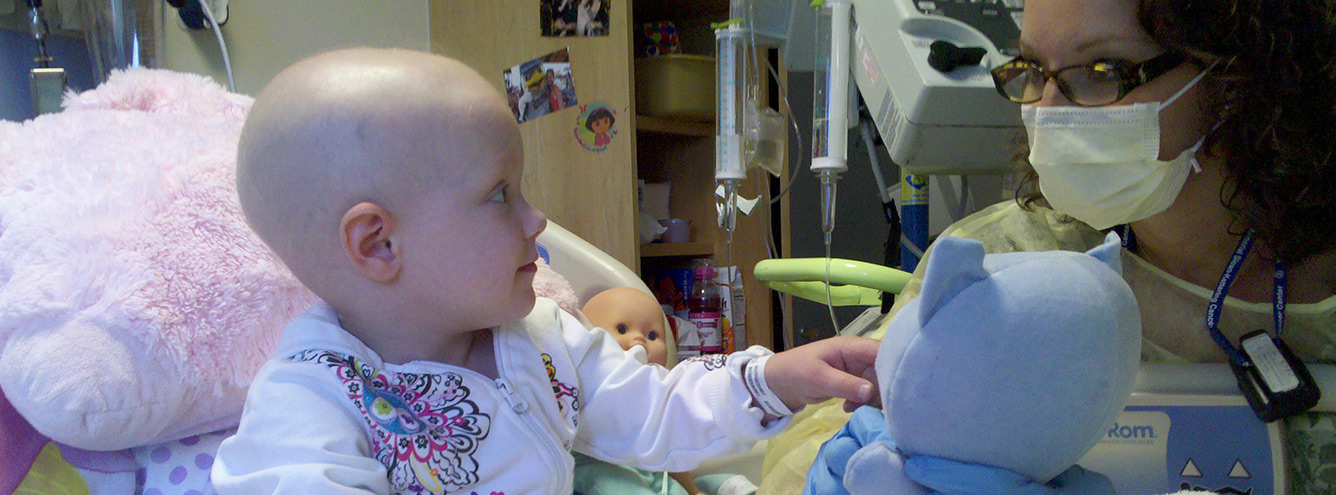
A child life specialist uses a toy cat with removable eye to help a young girl receiving chemotherapy cope with eye removal and artificial eyes.

Give hope - DONATE NOW!

Blood Test Results and What They Mean

Many blood tests will be done before, during and after chemotherapy to monitor your child’s health.

Keeping track of results will be second nature by the end of treatment.

Blood values can be confusing. Not understanding the test and what results mean causes unnecessary stress.
A young girl enjoys a picture book.

Blood Values for Healthy Children

Normal reference ranges detail optimal values for different blood tests. These references vary between laboratories, and the figures in this section are only a guide.

The child’s age can impact blood values.

For example, infants and toddlers will have less granulocytes and more lymphocytes than the figures indicated below. Geographic location may also impact reference ranges.

Your Child’s Test Results

Children receiving chemotherapy experience wildly fluctuating blood counts. White cells can range from zero to higher than normal, while red cells and platelets may drop periodi­cally, requiring transfusions.

Absolute Neutrophil Count (ANC) should be closely monitored as this gives an idea of your child’s ability to fight infec­tions. ANC can range from zero to thousands.

Blood test results indicate how your child’s body is reacting to the chemotherapy. They do not show how effective chemotherapy is against the retinoblastoma.

Even though your child may be receiving the same protocol as another child with retinoblastoma, her body’s response to treatment will be unique.

Patterns are more important than individual results. For example, if the values of three tests are 5.0, 4.7 and 4.9, the second result is not important, but values of 5.0, 4.7 and 4.2 show a trend.

Knowing your child’s blood values is important so you can recognise patterns. If you notice an emerging pattern, or have concerns about certain levels, discuss them with the doctor.

All blood test results will be considered by your child’s medical team to gain an overall picture of her health before decisions are made about treatment.

If treatment is delayed or stopped, ask the doctor to explain the situation and revised plan. This will help you better understand what is happening to your child, which will reduce your stress.

If your child is participating in a clinical trial, consult the complete trial protocol to learn what actions should be taken by the doctors in response to specific blood test changes. If you do not have a copy of this document, ask the doctor to give you a copy to keep.

What Test Results Mean

Click on the blood test below to learn more about it, including normal ranges and potential changes during chemotherapy.

Haemoglobin (Hgb)

Normal Range: 11.5‑13.5 g/100ml.

Oxygen and carbon dioxide are carried through the blood by molecules within the red blood cells called haemoglobin,. Low haemoglobin is also called anaemia, symptoms of which include fatigue, pallor and shortness of breath.

As chemotherapy decreases the bone marrow’s ability to produce new red cells, low haemoglobin may occur. Your child’s haemoglobin levels will give an accurate picture of her blood’s ability to carry oxygen.

Haematocrit (MCT)

Normal Range: 34‑40%

Also called packed cell volume (PCV), Haematocrit represents the percentage of red cells in the blood. To determine the ratio of plasma (clear liquid part of blood) to red cells, a blood sample is spun in a centrifuge to separate the two products.

If your child has a Haematocrit of 25%, it means that her test produced 25% blood cells and 75% plasma. During chemotherapy, your child’s bone marrow will not manufacture many red cells, so her Haematocrit will decrease. This means she will have less oxygen in her blood, and her energy levels may become low. She may be given a transfusion of packed red cells if her Haematocrit drops below 20%.

Red Blood Cells (RBC)

Normal Range: 3.9‑5.3 m/cm or 3.9‑5.3 X 10¹²/L

In healthy individuals, the bone marrow continually manufactures red blood cells which transport the oxygen and carbon diox­ide rich haemoglobin molecules throughout the blood stream. An automated electronic device is used to count the number of red cells per litre of blood.

The three red cell indices of MCHC, MCV and MCH are mathematical relationships of Haematocrit to haemoglobin, Haematocrit to red cell count and haemoglobin to red cell count. These are numerical expressions of the level of change identified in red cells, and the concentration of haemoglobin present within each cell.   Low teens are acceptable figures, but a distorted red cell population is represented by raised indices.

Platelets

Normal Range: 160,000‑500,000 mm3

Platelets help repair wounds and prevent bleeding by forming clots. In analysis, they are counted by an electronic device. As they travel through the body, approximately one third of all platelets can be found in the spleen at any given time.

Dysfunction of the spleen will therefore impact platelet counts. For example, enlargement of the spleen may cause a precipitous drop in counts, whilst its removal may result in a dramatically elevated platelet count.

A raised platelet count is known as thrombocytosis. As chemotherapy depresses bone marrow function, the production of platelets will also decrease. Low platelet count is called thrombocytopenia.

Bruising, bleeding gums and nose bleeds are symptoms of decreased platelet levels. If significant bleeding occurs, or your child’s count is very low, a transfusion may be given.

White Blood Cells (WBC)

Normal Range: 5,000‑10,000 mm3 or 5‑10 K/UL

White blood cells are the body’s natural defence against infection. As cancer treatment destroys white cells, you will need to be prepared for periods of low immunity, during which your child will be highly susceptible to serious illness.

You will need to take extra precautions during these times, to protect her from infection exposure.

An automated electronic device counts the number of white cells per litre of blood. If your lab report shows your child’s WBC as K/UL instead of MM3, multiply by 1000 to get the value in mm3. For example, if the total WBC is 0.6 K/UL, use the calculation 0.6×1000 = 600 mm3.

White Blood Cell Differential

A Complete Blood Count (CBC), will state the total white blood cell (WBC) count and a “differential”. This differential breaks down each type of white blood cell, listing them as a percentage of the total.

Normal ranges for the WBC differential are:

   White blood cell type      % of total WBCs
   Segmented neutrophils (also called polys or segs)       50‑70%
   Band neutrophils (also called bands)       1‑3%
   Basophils (also called basos)      0.5‑1%
   Eosinophils (also called eos)      1‑4%
   Lymphocytes (also called lymphs)      12‑46%
   Monocyles (also called monos)      2‑10%

During recovery from low blood counts, metamyelocytes, myelocytes, promyelocytes, and myeloblasts may also be found in the blood, and may therefore be listed in lab reports. These immature white cells are usually only found in the bone marrow.

Absolute Neutrophil Count (ANC)

Absolute Neutrophil Count (also known as the Absolute Granulocyte Count or AGC) is a determination of your child’s ability to fight infection. A child with an ANC greater than 1000 is generally considered to have near normal infection fighting capacity.

If your child’s ANC drops below 1000, she becomes neutropaenic, meaning her body is not adequately able to fight infection. When the ANC is less than 500, life threatening infections can occur. Prolonged periods of neutropaenia or a dramatic drop in counts may indicate sepsis.

Calculating your child’s ANC is relatively easy. Simply add the percentages of both segmented and band neutrophils, then divide that figure by 100 and multiply by the total WBC.  For example:

Segmented neutrophils = 49%

Band neutrophils = 1%

White Blood Count = 1500.

49% + 1% = 50%. 50 / 100 = 0.5 x 1500 = 750

The ANC is 750.

An ANC over 1000 is considered sufficient to fight off bacterial or fungal infection.  When his ANC is this high, your child can participate in all regular social and school activities.  However, closely monitoring the pattern of your child’s ANC is advisable at all times.

For example, if your child’s ANC is 1000, but you know her pattern suggests it is likely to decrease imminently, your decisions about her activi­ties are likely to change.  Your child’s hospital will give you guidelines for appro­priate activities when ANC is low.

Alanine aminotransferase (ALT)

Normal Range: 0‑48 IU./I.

Also called Serum Glutamic Pyruvic Transaminase (SGPT), this test assesses liver function, and the organ‘s response to chemotherapy. If your child’s liver is not coping with the toxic effects of chemotherapy drugs, an enzyme called ALT will be released into the blood serum by damaged liver cells.

During chemotherapy, your child’s ALT levels may rise into triple figures. Some children even experience ALT elevated into the thousands. Your child’s hospital will have a protocol for decreasing or temporarily ceasing chemotherapy to let the liver recover. This may be specified in the clinical trial protocol. If you notice a change in your child’s ALT levels, discuss them and the treatment implications with her doctor.

Aspartate aminotransferase (AST)

Normal Range: 0‑36 IU./l.

Also called Serum Glutamic Oxaloacetic Transaminase.(SGOT), this is a highly concentrated enzyme found in the liver. When liver tissue is severely damaged, its cells discharge AST into the blood serum, so the level of AST present in the blood directly represents the extent of tissue damage.

During chemotherapy, your child’s AST levels may rise into the thousands if her liver is suffering toxic effects of treatment. Viral infection and reaction to anaesthetic are among the many other possible explanations for raised levels of AST.

Ask your child’s oncologist for an explanation if you notice a significant unexpected increase in AST blood levels.

Bilirubin

Normal Range:

Total: 0.3‑1.3 mg./dl

Direct (conjugated): 0.1‑0.4 mg./dl

Indirect (unconjugated): 0.2‑0.18 mg./dl

When red blood cells are damaged, haemoglobin is released and converted into bilirubin.   The liver removes bilirubin from the blood and expels it into the bile duct, from where it is transferred to the small intestine to aid digestion.

Ordinarily, bilirubin occurs in the bloodstream only in small amounts, but your child’s levels will rise if an excessive volume of red blood cells is being destroyed, or if liver damage prevents normal excretion.

The two types of bilirubin, indirect (unconjugated) and direct (conjugated), indicate the source of raised levels.

  • Increased indirect bilirubin is present when red cells are being destroyed in excess.
  • Increased direct bilirubin is observed when the liver is blocked or dysfunctioning.

Jaundice (characterised by the yellow skin colour) occurs when bilirubin seeps into the tissues due to excess blood levels.

Ask your child’s doctor to explain the situation if her total bilirubin levels increase above her normal levels.

Blood urea nitrogen (BUN)

Normal Range: 10‑20 mg/dl

Urea nitrogen is an end product of protein metabolism. The BUN test is used to assess kidney function, and identify a host of disorders, including liver disease, dehydration and shock. Elevated blood urea nitrogen levels are frequently seen with kidney or liver disease.

Creatinine

Normal Range: 0.3‑1.1 mg/dl

Found in the blood and urine, creatinine is a by-product of protein metabolism. Levels are tested to assess kidney function and to identify the presence and extent of possible kidney disease.   Creatinine Clearance Tests are used to assess kidney function, in particular their efficiency of creatinine filtration and excretion. Insufficient kidney function and renal failure frequently result in elevated creatinine levels.

Electrolytes

Electrically conductive substances in the blood affect and regulate blood pH and hydration. They are critical for nerve and muscle function. Electrolyte analysis may look at levels of sodium (Na+), potassium (K+), calcium (Ca2+), magnesium (Mg2+), chloride (Cl−) and hydrogen phosphate (HPO42−).

The results are assessed together with kidney function test results. Electrolyte imbalances can indicate dehydration or impaired kidney function.

Glomerular filtration rate (GFR)

Normal Range: 120 ML/MIN

GFR measures how fast the kidneys filter blood. A radionuclide GFR test may be done before the first cycle of chemotherapy to assess kidney function. GFR may appear falsely low in infants, breast-fed babies and children who are not well hydrated (for example because they have been fasting for a general anaesthetic).

Intravenous fluids will be infused for 3-4 hours before an isotope solution is injected into your child’s vein. A gamma camera then takes pictures to show blood supply and flow through each kidney.

Immunoglobulin G (IgG)

Normal Range: 800 – 1800

Immunoglobulins are antibodies produced by the body. IgG is a protein produced to fight bacterial and viral infections. Low levels may indicate kidney damage, while high levels indicate an established infection.

PT / PTT / INR

Normal Range:

PTT: 25-39 seconds

PT: 11-16 seconds

INR: 0.8–1.2 seconds

Partial Thromboplastin Time (PTT), Prothrombin Tme (PT) and International Normalised Ratio (INR) measure the blood’s clotting efficiency. The results are measured in seconds. Shorter times indicate a higher risk for clots, while longer times may be a result of using heparin to flush the central line.


Give life and sight to a child with eye cancer today

DONATE
Share this page
  • Share on Facebook
  • Share on X
  • Share on WhatsApp
  • Share on Pinterest
  • Share on LinkedIn
  • Share on Tumblr
  • Share by Mail
  • Link to Instagram
  • Retinoblastoma Overview
    • How the Eye Works
    • Retinoblastoma Biology
    • Unilateral Retinoblastoma
    • Bilateral Retinoblastoma
    • Extraocular Retinoblastoma
    • Trilateral Retinoblastoma
    • Genetics of Retinoblastoma
    • Global Incidence
    • Signs and Symptoms
    • Referral and Diagnosis
    • Treatments
    • Care After Treatment
    • Prognosis
    • Retinoblastoma Glossary
  • Know the Glow
    • Fundal (Red Eye) Reflex and Red-Eye Reduction
    • White Eye Reflex
    • Photo Challenge
    • White Eye and Rb
    • White Eye after Rb Diagnosis
    • White Eye and Adults
    • PhotoRED Technique
    • Next Steps
    • Examining the Fundal / Red Reflex
  • Medical Care
    • Questions to Ask the Medical Team and Yourself
    • Diagnosis and Staging
      • Staging Systems
      • Multidisciplinary Team and Tumour Board
      • Treatment Plan and Care Pathway
      • Hospital Packing Tips
    • Retinoblastoma Genetics
      • Rb Genetics Explained
      • Mosaic Mutations
      • MYCNA Retinoblastoma
      • Genetic Counseling
      • Genetic Testing
      • Genetic Test Results
      • Pre-implantation Genetic Diagnosis (PGD)
      • Genetics Glossary
    • A Therapeutic Alliance
      • Your Child’s Doctors
      • Good Communication
      • Resolving Conflict
      • Second Opinions
      • Changing Doctors
      • Medical Staff
    • Medical Procedures
      • Informed Consent
      • Procedure Pain
      • Blood Draw
      • Bone Marrow Aspiration
      • Bone Scan
      • Chest X-ray
      • CT Scan
      • Echocardiogram
      • EUA
      • Eye Pressure Test
      • General Anaesthetic
      • Hearing Tests
      • Inserting an IV
      • Intrathecal Injection
      • Lumbar Puncture
      • MRI Scan
      • Radionuclide GFR
      • Subcutaneous Injection
      • Taking a Temperature
      • Transfusion
      • Ultrasound of the Eye
      • Vision Testing
      • Vision Testing – Support Your Child
      • Vision Testing – Just For Kids!
    • Treatment
      • Risk of Under-Treatment and Over-Treatment
        • Reduce Risk of Under-Treatment and Over-Treatment
      • Treatment Decision Making Guide
        • Step 1 – Acknowledge Your Thoughts and Feelings
        • Step 2 – Understand Your Decision-Making Style
        • Step 3 – Find Your Expert Team
        • Step 4 – Understand Shared Decision Making and Informed Consent
        • Step 5 – Set an Intention to Make Balanced Decisions
        • Step 6 – Learn About Retinoblastoma
        • Step 7 – Evaluate Your Options
        • Step 8 – Consider Your Values and Goals
        • Step 9 – Manage Disagreement and Conflict
        • Step 10 – Make Your Decision
        • Step 11 – Review Your Decision
        • Step 12 – Support Your Child and Yourself
        • Review the 12 Decision Making Steps
      • Enucleation
        • Making the Decision
        • Eye Removal Surgery
        • Orbital Implants
        • Types of Orbital Implant
        • Side Effects
        • Pathology
        • After Surgery
        • Coping with Other People
        • Artificial Eyes
        • Artificial Eye Care
      • Focal Therapy
        • Laser
        • Cryotherapy
        • Periocular Chemotherapy
        • Intravitreal Chemotherapy
      • Chemotherapy
        • Chemotherapy for Rb
        • Intra-Arterial Chemotherapy
        • Regimens and Protocols
        • During Treatment
        • Central Venous Catheter
        • CVC Care and Risks
        • Blood Test Results
        • When to Call the Doctor
      • Radiation Therapy
        • Radioactive Plaque
        • Coping With Isolation
        • Radiotherapy
        • Radiotherapy Planning
        • Treatment Process
        • EBRT Side Effects
        • Ask the Doctor
      • Transplant
        • Types of Transplant
        • Transplant Process
        • Coping With Transplant
        • Complications
        • Long-term side effects
        • Ask the Doctor
      • Side Effects
        • Low Blood Counts
        • Pneumonia and Chickenpox
        • Protect Your Neutropaenic Child
        • Pets and Infection Risk
        • Fatigue
        • Pain
        • Hair Loss
        • Nausea and Vomiting
        • Taste Changes
        • Oral Care
        • Skin and Nails
        • Diarrhoea
        • Constipation
        • Bed Wetting
        • When to Call the Doctor
      • Occlusion Therapy (Eye Patching)
        • Introduction to Eye Patching
        • Preparing to Patch
        • Support Your Patching Child
        • Eye Patching – Just For Kids!
    • Clinical Research
      • Clinical Research Introduction
      • Clinical Research Phases
      • Protocol Document
      • Monitoring and Safety
      • Rb Clinical Research
      • Informed Consent
      • Ask the Investigator
      • Ethnography Research
      • Patient-Led Research – A New Approach
      • Patient-Led Research – Challenges and Development
    • Surviving Hospital
      • Advocate for Your Child
      • Packing for Hospital
      • Hospital Life
      • Your Child’s Space
      • Record Keeping
      • Recreation
    • International Care
      • Contacting Doctors
      • Finances and Fundraising
      • Travel and Housing
      • Questions to Ask
    • End of Treatment
      • Celebration
      • Follow Up Care
      • Follow Up Schedule
      • Life-Long Follow Up
      • Removing the Central Line
      • A New Normal
      • Relapse
      • Second Primary Cancers
      • Symptoms of Second Primary Cancers
      • Ask the Doctors
    • End of Life Care
      • Changing Treatment Goals
      • Palliative Care
  • Child Life
    • Child Life is More Than Play
      • The Art of Child Life
    • Procedure Support
      • Stay Calm
      • Make a Plan
      • Medical Play
      • Distraction Play
      • Comfort Positions
      • Giving Eye Drops
      • Support for Needle Procedures
      • Anaesthetic Induction
      • Preparing for Surgery
      • Preparing for Enucleation
      • Imaging Scans
      • HandWashing for Kids
      • Reduce Face Touching
    • Pain Management
      • Know the Signs of Pain
      • Manage Pain
      • Mind-Body Strategies
    • Living With a Special Eye
      • Before Enucleation
      • Going to the Ocularist
      • Making an Artificial Eye
      • Handling the Special Eye
      • Keeping the Eye in Place
      • The Young Child Living With a Special Eye
      • The Older Child Living With a Special Eye
      • When There Is No Eye
    • Psychological Support
      • Reduce Your Stress
      • Infant Massage Training
      • Talking With Kids About Vision Loss
      • Talking About Vision Loss – For Kids!
      • Support and Encourage
      • Coping With Difference
      • Worry Eaters Guide
      • Personal Story Books
      • Youth Retinoblastoma Support at Upopolis
      • Camp Sunshine Rb Week
      • Activities for Isolating With Children
      • Post-Traumatic Stress Disorder in Childhood Cancer
  • Living With Retinoblastoma
    • Children
      • Children Learn From You
      • Sibling Responses
      • Support Siblings
      • Communicate
      • Reduce Stress
      • Tantrums
      • Discipline
    • Parents
      • Emotional Responses
      • Manage Anger
      • Depression and PTSD
      • Look After Yourself
      • Relationships
      • Sharing the News
      • Update People
      • Seek and Accept Help
    • Grandparents
      • Genetic Implications
      • How You Can Help
      • Look After Yourself
    • School Life
      • Effects of Treatment
      • Preparing For School
      • School Activities
      • Artificial Eye Care
      • Infection Control
      • Older Children
      • Advice for Teachers
    • Eye Care
      • Prevent Eye Injury
      • First Aid for the Eyes
      • Nutrition for the Eyes
    • Bereavement
      • End Of Life Care
      • Before the Funeral
      • Acts of Remembrance
      • Parental Grief
      • Sibling Grief
      • Carrying the Torch
    • Focus on Hope
      • False Hope
      • Encourage Hope
      • The First Alphabet of Hope
      • Alphabet of Hope 2018
      • Alphabet of Hope 2019 – #LifeBeyondRb
      • Alphabet of Hope 2020 – #FamilyInSight
      • Alphabet of Hope 2021 – #MindAndBody
      • Alphabet of Hope 2022 – #RbCare
      • Alphabet of Hope 2023 – #RbResearch
      • Alphabet of Hope 2024 – #RbEarlyDiagnosis
      • Alphabet of Hope 2025-2026 – #RbChildLife
  • Family and Friends
    • Practical Support
    • Emotional Support
    • Financial Support
    • Giving Gifts
    • Help From Young Friends
    • Words That Help
    • Words That Harm
    • Help During the Holidays
  • Through Our Eyes
    • RAE of Hope
    • Unilateral Rb
      • John (Kenya)
      • Rati (Botswana)
      • Connor (Canada)
      • Ewan (England)
      • Rowan (USA)
      • Bisrat S (Ethiopia)
      • Alexa (Ireland)
      • Linda (Kenya)
      • Lele (China)
      • Katelyn (USA)
      • Jordan (USA)
      • Danielle (Canada)
      • Bright (Cameroon)
    • Bilateral Rb
      • Daisy (UK)
      • Aidan (Canada)
      • Libby and Ella (USA)
      • Angie, Kieran and Cameron (UK)
      • Bisrat E (Ethiopia)
      • Abby (USA)
      • Brady (USA)
      • Sera (Fiji)
      • Katy and Harry (UK)
      • Hope (South Africa)
      • Ross Richard (USA)
      • Bella (Philippines)
      • Peter (Kenya)
      • Jaymee (Australia)
      • Ella Nina (Burundi)
      • Ernest (Kenya)
    • Extraocular Rb
      • Rati (Botswana)
      • Ross Richard (USA)
      • Bella (Philippines)
      • Sera (Fiji)
      • Ella Nina (Burundi)
      • Ernest (Kenya)
      • Bright (Cameroon)
    • Trilateral Rb
      • Libby and Ella (USA)
  • Other Organizations
    • Rb Communities on Social Media
    • Retinoblastoma Organizations
    • Childhood Cancer
    • General Cancer Support
    • Emotional Support
    • Financial Support
    • Transport Providers
    • Hospital Housing
    • Support for Children
    • Support for Siblings
    • Support for Survivors
    • Cancer Camps
    • Wish Granting
    • Disability Support
    • Bereavement Support
Give Hope - Donate Now text in white on a sunny orange gold button background that fades into red, colours reflecting the WE C Hope logo.
Subscribe to Visions of Hope - text in white on a vibran yellow button background that fades into sunny orange gold, colours reflecting the WE C Hope logo.

Retinoblastoma

  • Retinoblastoma Overview
  • Know the Glow
  • Medical Care
  • Child Life Support
  • Living With Retinoblastoma
  • Through Our Eyes

Canada

Special fund at the University Health Network

Who We Are

  • Vision, Mission and Values
  • Our History
  • Daisy and Rati
  • Meet Our Team
  • Contact Us

UK

Registered Charity #: 111-11-33

What We Do

  • One Rb World
  • Rati’s Challenge
  • Awareness Campaigns
  • World Rb Week
  • Supporting Families
  • WE C Hope Blog

USA

501(c)(3) National Non Profit - EIN: 45-4886827

Get Involved

  • Subscribe to Visions of Hope eNews
  • How Your Money Helps
  • Donate Now
  • Fundraise
  • Corporate Partnerships
  • Volunteer

Kenya Partner

Kenya Childhood Cancer Trust
  • FaceBook
  • instagram
  • linkedin
  • youtube
© Copyright 2023 - WE C Hope | Disclaimer | Terms & Conditions | Privacy Policy
Scroll to top Scroll to top Scroll to top
Translate »