• Subscribe to Our Email Newsletter – Visions of Hope
  • Home
  • Contact Us
WE C Hope
  • Link to Facebook
  • Link to Instagram
  • Link to LinkedIn
  • Link to Youtube
  • Link to Mail
  • About WE C Hope
    • Our Mission, Values, and Goals
    • Our History
    • Daisy and Rati
    • Daisy’s Story
    • Rati’s Story
    • Meet Our Team
    • Chapters and Partners
    • Contact Us
  • Find Hope
    • Rb Overview
      • How the Eye Works
      • Rb Biology
      • Unilateral Rb
      • Bilateral Rb
      • Extraocular Rb
      • Trilateral Rb
      • Genetics
      • Signs & Symptoms
      • Referral & Diagnosis
      • Treatments
      • Care After Treatment
      • Prognosis
      • Glossary
    • Know the Glow
      • Fundal (Red Eye) Reflex and Red-Eye Reduction
      • White Eye Reflex
      • Photo Challenge
      • White Eye and Rb
      • White Eye and Adults
      • PhotoRED Technique
      • Next Steps
      • Examining the Fundal / Red Reflex
    • Medical Care
      • Diagnosis and Staging
      • Genetics
      • A Therapeutic Alliance
      • Medical Procedures
      • Treatment
        • Enucleation
        • Focal Therapy
        • Chemotherapy
        • Radiation Therapy
        • Transplant
        • Side Effects
      • Clinical Research
      • Surviving Hospital
      • International Care
      • End of Treatment
      • End of Life Care
    • Child Life
      • More Than Play
      • Procedure Support
      • Pain Management
      • Special Eyes
      • Psychological Support
    • Living With Rb
      • Children
      • Parents
      • Grandparents
      • School Life
      • Eye Care
      • Bereavement
      • Focus on Hope
    • Family and Friends
    • Through Our Eyes
    • Other Organizations
  • Programs
    • Awareness Campaigns
      • Alphabet of Hope
        • 2025-26 Alphabet – #RbChildLife
        • Previous Alphabets of Hope
      • World Rb Week
      • Gold Ribbon Month
      • International Childhood Cancer Day
    • Rati’s Challenge
      • Retinoblastoma in LMICs
      • Kenya National Rb Strategy
      • Early Detection
      • Child Life & Family Support
      • In Memory of Jayne and Bella
    • One Rb World
      • Best Practice Guidelines
      • One Rb World Map
      • Global Research Community
      • One Rb World Conference
    • Supporting Families
      • Retinoblastoma Information
      • Help for Individual Families
      • Social Media Groups
      • Virtual Events
      • USA Family Days
      • Family Focus at One Rb World
  • Events
    • Fundraising Events
    • Rb Family Days & Weekends
    • One Rb World Conference
    • Save The Date
    • Recent Events
  • One Rb World
    • About the Conference
    • View Past Sessions
    • One Rb World 2026
    • One Rb World 2024
    • One Rb World 2021
    • One Rb World 2020
    • One Rb World 2017
  • Give Hope
    • How Your Money Helps
    • My Story
    • Donate
      • Donate Online Now
      • Donate by Post
      • In Kind Gifts
      • Leave a Legacy
    • Fundraise
      • Create a Fundraising Page
      • WE C Hope Merch
      • Hold Your Own Event
      • WE C Hope Events
      • Sporting Challenges
      • Overseas Challenges
      • Corporate Partnerships
    • Volunteer
      • Volunteer Opportunities
  • News & Media
    • WE C Hope Blog
    • Visions of Hope eNews
    • Media Resources
  • Chapters & Partners
    • Canada
    • UK
    • USA
    • Kenya – Partner
  • Donate
  • Click to open the search input field Click to open the search input field Search
  • Menu Menu
You are here: Home1 / Retinoblastoma Resource2 / Living With Retinoblastoma3 / Focus on Hope4 / Alphabet of Hope 2024 – #RbEarlyDiagnosis
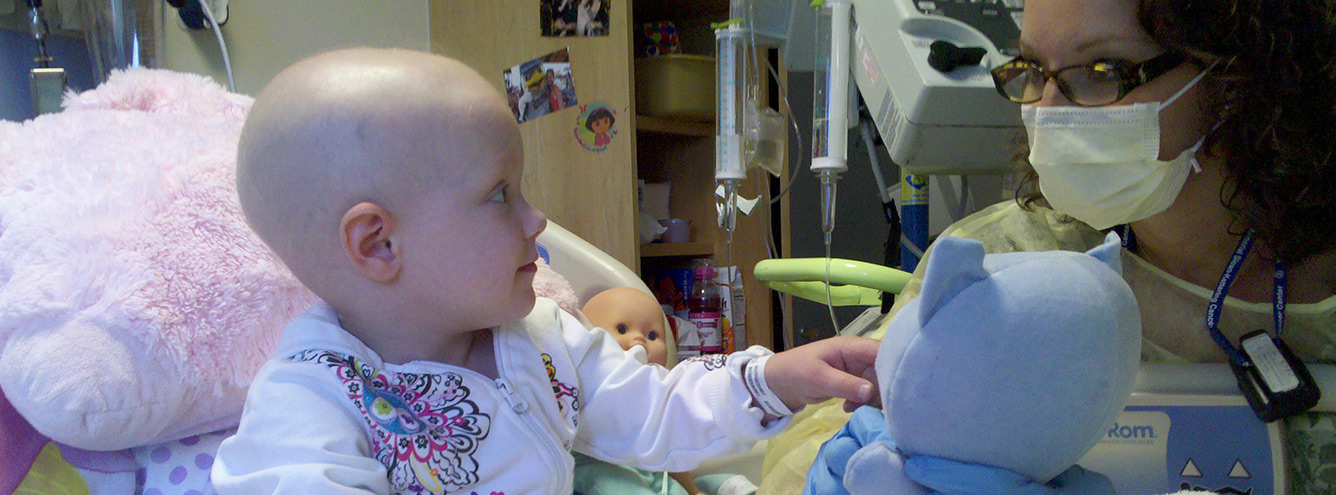
A child life specialist uses a toy cat with removable eye to help a young girl receiving chemotherapy cope with eye removal and artificial eyes.

Give hope - DONATE NOW!

Alphabet of Hope 2024 – #RbEarlyDiagnosis

Babies and young children with eye cancer can’t tell us their sight is changing. They need caregivers to know of and act on early retinoblastoma signs, prompt eye exams to find possible cancer, and referral with good family support to aid swift diagnosis and care. This creates the best potential to save children’s sight and life worldwide.

The #RbEarlyDiagnosis Alphabet Of Hope highlights many aspects of early detection, including signs and symptoms, challenges, and efforts globally to overcome them.

We hope you enjoy this video showcasing the complete Alphabet and all the images shared throughout the year. A full text version can be found directly below the video, including links to further resources relating to the subject.


The Alphabet and Resources

A

Arclight: Thorough eye exam is vital to detect and treat vision threats early, including eye cancer. We support the Arclight, a low-cost, high-tech, easy-to-maintain ophthalmoscope advancing children’s access to eye care worldwide.


Further Resources:

Illuminating a Child’s Health: The Power of Glow Awareness and Innovation in Detecting Retinoblastoma

Leukocoria awareness advocate, Megan Webber, explores why glow awareness and community eye screening are vital to early detection and referral, and how Know The Glow and WE C Hope are helping to ensure children receive timely, effective care.

B

Bedrock: Early diagnosis is the foundation to effective cancer care. For young children with eye cancer and survivors with second cancer risk, education, prompt exams and swift referral are critical to early detection.


Further Resources:

Early Diagnosis is the Bedrock of Retinoblastoma Care

Despite advances in retinoblastoma treatment, effective care is challenged globally by delayed diagnosis. Early diagnosis saves lives and improves sight-saving options. Rb survivor and WE C Hope CEO, Abby White, explores common reasons for delayed diagnosis, four pillars needed to achieve routine early diagnosis, and how our One Rb World community is united in this goal.

C

Cameras are brilliant! They capture precious fleeting life moments, and even save life! With Red Eye Reduction/correction turned OFF, they can detect cancer and other serious child eye disorders long before humans see the signs.


Further Resources:

Know the Glow – White Pupil (leukocoria)

The common early sign of retinoblastoma, a white pupil glow in the affected eye, is seen in dim light and photographs when a flash is used without red-eye reduction. This section includes answers to FAQs about the glow, a photo quiz, tips on taking photos to check children’s eyes, and advice for next steps if you observe a white glow.

From CRADLE to Care: Your Photos Can Help Scientists Build an App for Parents to Diagnose Serious Child Eye Disease Early.

Do you want to turn your smartphone into a powerful cancer-detector? Mark Billings, WE C Hope USA Director, tells the story behind the CRADLE app and explains how you can help scientists improve it.

D

Diagnosis: Early detection of eye cancer is vital to save a child’s life and sight with the least invasive therapies. Especially in resource limited countries. Investing in Rb education and eye exam infrastructure is key to cure.


Further Resources:

How Do We Achieve Early Diagnosis of Rb?

Achieving early diagnosis is not simple nor easy. WE C Hope CEO, Abby White, explores various routes to awareness and diagnosis, and how they can impact patient care.

Light Up for Rare and Share Your Retinoblastoma Colours on February 29!

Retinoblastoma is a rare cancer, affecting around 1 in 16,000 live births.  Rarity poses challenges to diagnosis, care, and research.  Rare Disease Day matters to our community!  Discover how you can glow bright on the evening of February 29 to help form a Global Chain of Light for everyone living with rare childhood eye cancer and its effects.

E

E Komo Mai (welcome): WE C Hope in community, conversation and collaboration! Sharing knowledge and lived experience, developing and testing new solutions together, we improve Rb diagnosis, lifelong care, and support.


Further Resources:

From One Child to One Rb World

World Eye Cancer Hope (originally called Daisy’s Eye Cancer Fund) evolved from the generosity of one family sharing hope with another at opposite ends of the earth.  In this two-part article, Rb Survivor and Daisy Fund co-founder, Abby White, shares Rati’s story, and how her experience led to our hope-building work today.

Pt 1: Our Foundation Story

Meet Rati, and discover how the generosity of Daisy’s family created light within the darkness that retinoblastoma brought to both families.

Pt 2: WE C Hope for Retinoblastoma Care

What happened after Rati died?  Follow our journey from one child to World Eye Cancer Hope and One Rb World, and advocacy for all children, survivors & families.

F

Fundal Reflex (Red Reflex) looks different in light / dark eyes. Parents and health workers need to know what healthy and abnormal fundal reflex looks like. Prompt referral to specialist eye care can save a child’s life and sight.


Further Resources:

The Arclight and Fundal Reflex Test: Shining the Light on Retinoblastoma

Screening children’s eyes with the Fundal “Red” Reflex is key to early detection of retinoblastoma, but until recently, it was difficult to deliver in many countries. Dr Andrew Blaikie, ophthalmologist and clinical lead for the Arclight Project at the University of St Andrews, describes the importance of this simple exam, and how the Arclight improves eye health access and outcomes for children with eye cancer around the world.

G

Gold Ribbon: Shining with childhood joy and optimism, this ribbon celebrates the victory of each life saved, honours the memory of every precious child lost, and shines with hope of cure for all children with cancer worldwide.


Further Resources:

Solidarity, Strength, and Synergy: The Gold Ribbon and the Global Fight Against Childhood Cancer

The gold ribbon is the unifying symbol of childhood cancer. Worldwide, it celebrates the victory of each life saved, honours the memory of every precious child lost, and shines with hope of cure for all children. WE C Hope CEO, Abby White, explains four key reasons we support the gold ribbon campaign, and shares new gold ribbon merch designs you can buy to support our retinoblastoma community.

H

Ho’omau (persevere): Diagnosing Rb early is a global challenge. From wealthy countries with world-class healthcare to populous nations with limited resources, and remote island communities. Together, we persevere for all children.


Further Resources:

“Have We Spoken Before?” Same Retinoblastoma Diagnosis Story, Different Parents…

Many families tell of delayed pathways to care when their child is diagnosed with eye cancer. Orthoptist and retinoblastoma care coordinator, Sandra Staffieri, and leukocoria awareness advocate, Megan Webber, are frustrated by the repeated stories and their negative patient impacts. They explore why these delays continue, some efforts to overcome the challenges, and where they find hope for the future.

I

’Ike (to know): We desire to learn, to know… Why does my child’s eye glow in dim light? Why don’t the eyes move together? Why are they different colours? How can we best support prompt exam of signs and symptoms for early diagnosis?


Further Resources:

A Glint or a Squint Could Be Your Hint: Knowledge is Key to Retinoblastoma Early Diagnosis

Critical clues to a child’s eye cancer hide in plain sight.  Parent and physician knowledge, and ability to spot these silent signs are vital to early detection, swift referral, and prompt diagnosis.  Meet five children from around the world whose parents’ curiosity, nagging concern, and action were pivotal to their diagnosis and life-saving, sight-saving care.

J

Jeopardy: Childhood eye cancer is curable when contained in the eye; early diagnosis is vital to save sight. Delayed diagnosis threatens the child’s life and leads to more complex, costly treatment, with major impacts on the family.


Further Resources:

Between Shadow and Light: Young Lives in Jeopardy from Retinoblastoma

Worldwide, children and their families grapple with life-threatening eye cancer due to delayed diagnosis and care. Unchecked, retinoblastoma has far-reaching consequences. Through two family stories, WE C Hope CEO Abby White explores the impacts of low awareness, slow referral, and delayed care, and the life-saving, sight-saving opportunities they reveal.

K

Kaiāulu (community) and Kuleana (responsibility): Rb is rare. We need our global community to achieve best care. Connected, we share the responsibility to encourage, engage with, support, and invest in efforts for our loved ones, ourselves, and for all on this journey.


Further Resources:

Bridging the Gaps: How Community and Shared Responsibility Create the Best Retinoblastoma Care

Being the parent of a child with retinoblastoma, living with the effects of this cancer, or caring for patients can be a frustrating experience.  With an emphasis on our year-long theme of early diagnosis, we look at some of the challenges facing our retinoblastoma world, and for each, three ways we can work together to advance care for everyone.

L

Laulima (many hands): Best Rb care demands global collaboration, cooperation, and teamwork. Testing ideas, gathering evidence, advancing patient care. For all children, survivors and families, WE C Hope uniting our One Rb World!


Further Resources:

Laulima: Many Hands, One Retinoblastoma World

Laulima signifies the power of cooperation, teamwork and collective effort.  This Hawaiian concept of many hands striving together drives the One Rb World conference, taking place in Honolulu this October.  Members of our 2024 conference team explain how laulima inspires their work for this global community, united to advance retinoblastoma care for all.

M

Momi (pearl): The human eye is an ocean of stories. Sometimes, a child’s eye holds a pearl, a secret glow revealed only in dim light, with an urgent, precious message: my life and sight may be in danger – pay attention, seek an eye exam now!


Further Resources:

Pearls of Light: The Pathway to Early Detection

Early diagnosis of retinoblastoma saves children’s lives, and offers the best opportunity for safe vision saving therapy.  But worldwide, many children are diagnosed late.  KnowTheGlow founder, Megan Webber, and WE C Hope USA President, Marissa D. Gonzalez discuss how our early detection partnership evolved, and update on the progress we’re making for children in Africa and Asia.

N

Na’au (gut instinct) and Noi (request): Parents and caregivers know their children best. Be inquisitive if concerned about your child’s eyes! Interrogate your unease, ask for an eye exam or referral – it may save life and sight.


Further Resources:

Gut Feelings Matter: How Parent Instinct and Intuition Detect Childhood Eye Cancer Early

Strong parent instinct and intuition often lead to a child’s eye cancer diagnosis.  Rb Survivor and WE C Hope CEO, Abby White explores what they are and how they differ, why they are so important for retinoblastoma early detection, why primary care providers should take them seriously, and how they impacted the diagnosis journey of four children.

O

Ohana (family): Though small and far-flung, our global retinoblastoma family stands strong together. In trial, grief, hope, and triumph, we share and learn from our collective experience, support one another, and strive to care for all.


Further Resources:

Ohana: The Beating Heart of One Retinoblastoma World 2024

In Hawaiian culture, “Ohana” represents a deep sense of family that extends beyond blood ties to include friends, community, and all who are important in one’s life. This concept emphasizes mutual respect, cooperation, and the belief that families are bound together; that members must think of and support one another to ensure mutual wellbeing.  Members of WE C Hope USA’s Board of Directors and past One Rb World participants explain how this conference unites us and strengthens ohana.

P

Primary Care Providers are key to cure when a child has retinoblastoma. The signs parents observe at home may not be easily seen on a quick exam, and masquerade as harmless conditions. Awareness is vital, and prompt eye care referral is best.


Further Resources:

Early Detection Saves Lives: Primary Care, Retinoblastoma, and Second Cancers

Primary care providers are pivotal in the timely diagnosis of retinoblastoma and related second cancers.  They are usually the first contact for parents and survivors concerned about signs and symptoms.  WE C Hope CEO Abby White explores their key role, the challenges they face in recognizing signs and securing a swift referral, and the need for education targeting primary care providers.

Q

Quality Research improves Rb early diagnosis! Data shows the best methods for public and healthcare worker education, eye exam, and referral support. With this knowledge, we can save more children’s lives worldwide, and raise potential to safely save sight.


Further Resources:

One Retinoblastoma World: A New Realm of Discovery

When Retinoblastoma Care Co-ordinator Sandra Staffieri left Australia in August 2012 for a conference in Italy and a tour of Rb centres in North America, she had no idea how radically the journey would change her life and care at the Royal Children’s Hospital, Melbourne. Yet as she departed, One Rb World, the key destination on her trip, was not even on her itinerary. 12 years later, the impact of that trip continues…

R

Referral is the vital first step to specialist care when a child has suspected eye cancer, or second cancer strikes a survivor. Sign/symptom awareness alone is not enough. Planning a supportive diagnosis pathway saves lives.


Further Resources:

Referral for Possible Retinoblastoma or Second Primary Cancer

Many parents and survivors report signs and symptoms of retinoblastoma and related second cancers to primary care providers. Prompt referral is vital for timely diagnosis and optimal treatment. WE C Hope CEO Abby White explores who needs referral and when, and the key elements of an effective referral process – for children with possible eye cancer, and survivors throughout life.

S

Surveillance: Familial retinoblastoma affects more than one person in a family. Genetic testing and regular eye exams from birth diagnose children early.  Survivors need effective screening to clarify their risk and diagnose second primary cancers early.


Further Resources:

Screening for Familial Retinoblastoma and Related Second Primary Cancers

Familial retinoblastoma affects more than one person in a family, and individuals with a heritable RB1 gene mutation have increased cancer risk throughout life.  Finding cancer early is vital for the best treatment and outcomes. Revisiting blogs from ocular oncologist Alison Skalet M.D. PhD, and WE C Hope CEO / Rb Survivor, Abby White, we explore screening for high-risk individuals at all stages of life.

T

Turned Eye: Misaligned eyes = squint, NOT lazy eye, and may be a sign of child eye cancer. All babies with squint, regardless of age, should have a prompt, thorough eye exam to rule out retinoblastoma. Waiting 6 months can be fatal.


Further Resources:

The Life-Saving Power of a Squint: When to Investigate a Child’s Turned Eye

Evalynn, Gabriel, Abby and John all developed strabismus (squint or turned eye), one of the most common signs of retinoblastoma.  This can also occur in healthy eyes or affect multiple family members without eye cancer.  Sandra Staffieri, Retinoblastoma Care Co-ordinator at the Royal Children’s Hospital, Melbourne, explains, and answers the key question – when should parents and doctors be concerned?

U

Ua wehe mākou: We are open to all at One Rb World. Sharing knowledge, lived experience, probing questions, tough conversation. Listening, learning, understanding, innovating; we change the future of lifelong patient care together.


Further Resources:

One Retinoblastoma World 2024 Is Here!

WE C Hope is delighted to host the 7th One Retinoblastoma World conference October 15 – 17, 2024, welcoming more than 170 medical professionals, Rb survivors, young patients, family members, and scientists from six continents to Honolulu, Hawaii, and any more joining us online for three days of programming, community and collaboration for optimal car.

Conquer Stress and Cultivate Calm with These Mindfulness Techniques

Living and working with retinoblastoma and its far-reaching impacts can be immensely challenging for families, survivors, and professionals. Finding effective ways to manage the stress is vital for our physical and mental health. Margaret Fletcher, Mindfulness instructor at East Coast Mindfulness, and founding member of The Anticancer Lifestyle Program, shares valuable techniques to help reduce stress and promote well-being.

V

Venture with us to advance retinoblastoma early diagnosis, life and sight-saving medical care, compassionate family support, and lifelong care, for all affected by Rb.  With your help, through our united One Rb World, WE C Hope!


Further Resources:

Hawaii Says “ALOHA” to the 7th One Rb World Conference and Our Global Retinoblastoma Community

The shores of Waikiki Beach welcomed 175 guests to the 7th One Rb World conference this month, and more online worldwide, as Honolulu played host to this incredible gathering of retinoblastoma patients, survivors, families and medical professionals. Marissa D. Gonzalez, President and founding board member, World Eye Cancer Hope USA, and Conference Event Chair, reflects on the social gathering and Day One of the program in the first installment of this three-part conference review.

W

Wikiwiki (quick): When retinoblastoma or second cancer is suspected, prompt referral, diagnosis, and treatment are vital for the patient’s best outcome. Delays are common – understanding and reducing them saves lives and sight.


Further Resources:

Wiki Wiki: Accelerating Referral for Retinoblastoma and Second Cancers

The Hawaiian word “wiki wiki” meaning fast, and the global wiki culture embodies the urgent collaborative action needed for children with possible retinoblastoma, and survivors with second cancer risk.  Timely diagnosis is the best cure, but referral delays are common worldwide.  WE C Hope CEO Abby White explores common causes, how to avoid them, and speed up referral for optimal care.

X

eXplore the challenges to early detection and care for all affected by Rb, and the best ways to make progress together. From global action for children and families to precision medicine for patient care.  One Rb World is a change-maker.


Further Resources:

One Rb World 2024 Shines the Light on Life-Saving Care: Highlights from Hawaii Day Two | Page 1

The 7th One Retinoblastoma World conference took place in Honolulu, Hawaii over three days in October 2024.  Day Two brought perspectives from around the globe as our scientific programming took center stage.  Marissa D. Gonzalez, President of World Eye Cancer Hope USA, and Conference Event Chair, shares highlights from discussions on life-saving care and technological advances in the second installment of this three-part conference review.

Our Day Two Recap is a 2-page article:

  • Page 1 focuses on life-saving care for all.
  • Page 2 focuses on advances in research and technology.

Y

Yonder lies a world in urgent need of action for children with eye cancer, survivors and their families. Join us! Together, we advance early diagnosis, medical care, child life, and care for all, for life. A bright future awaits! With your help! WE C Hope for all.


Further Resources:

A Global Call to Action: Early Detection and Advocacy at One Rb World 2024 Day Three

Day Three of the 7th One Rb World Conference in Honolulu, Hawaii, was a powerful culmination of global community, collaboration, and hope. From early detection in rural communities to life-saving care, from child life to patient-led research, and more. Marissa D. Gonzalez, Conference Event Chair, shares highlights from the inspiring presentations, life-changing progress, and extraordinary stories that closed this remarkable event.

This Day Three Recap is the final instalment of our 3-part conference review.  Parts 1 and 2 are linked from all four pages of Part 3.  Our Day Three review includes:

  • Page 1: Early detection and advocacy for prompt care.
  • Page 2: Cure for all children, and preventing cancer spread outside the eye.
  • Page 3: Keynote from NYT journalist, Pamela Paul; and global solutions.
  • Page 4: Child life, patient engagement, and a massive Mahalo!

Close-up photo of a young toddler with a blue and white pacifier in their mouth, looking directly at the camera. The right side of the child’s face is bathed in light while the left side is in shadow. The pupil of the right eye has a prominent pearly glow. The blurred background emphasizes the child's face. Overlaying the background, bold white text states "An early diagnosis is the best cure." The word “Cure” is emphasised in a flowing gold script.

Spark Hope – Help Shine the ArcLight to Save a Child’s Life

Early diagnosis is the best cure!  

Our One Rb World 2024 speakers highlighted three key messages:

  1. Most children struggle to access primary eye care.
  2. Abandoning treatment after delayed diagnosis is the leading cause of death in low income countries.
  3. Early detection is vital to save children’s lives.

As our 2024 Alphabet of Hope shows, throughout this year we’ve focused on early detection as the bedrock of effective care for all children.  Our work continues!  We aim to provide 500 Arclight ophthalmoscopes across nine low and middle income countries in 2025, and low resource communities in the USA.Please join us in making this possible!

Please donate this Holiday giving season to equip healthcare workers with life-saving Arclight devices.  Each $25, $50, or $75 gift funds a high-tech solar powered Arclight ophthalmoscope, and training to examine children’s eyes and detect eye cancer early.

Help us bring the life-saving gift of early detection to children in some of the world’s poorest countries and communities.  Together we can save more precious young lives and families.  Thank you very much!

  • Give Now and Light the Way to Life-Saving Early Detection!
  • Read More About the Arclight and Life-Saving Early Detection

Z

Zebras: hear their hooves when a child’s eyes glow white, do not align, are different colours, a parent’s instinct leads, or a survivor explains their cancer risk. Rb is black and white: delayed care kills and destroys; early diagnosis saves life and may save sight.


Further Resources:

Angels and Zebras: How Life-Saving Holiday Pics Reveal Children’s Rare Eye Cancer

We love a white Christmas and the season’s festive glow – angels, fairy lights, iced cakes, candles, and snow…  But we do not like a white glow in children’s eyes.  Rb Survivor and WE C Hope CEO Abby White explains how festive Holiday photos could save a child’s life, and even their sight.


Give life and sight to a child with eye cancer today

DONATE
Share this page
  • Share on Facebook
  • Share on X
  • Share on WhatsApp
  • Share on Pinterest
  • Share on LinkedIn
  • Share on Tumblr
  • Share by Mail
  • Link to Instagram
  • Retinoblastoma Overview
    • How the Eye Works
    • Retinoblastoma Biology
    • Unilateral Retinoblastoma
    • Bilateral Retinoblastoma
    • Extraocular Retinoblastoma
    • Trilateral Retinoblastoma
    • Genetics of Retinoblastoma
    • Global Incidence
    • Signs and Symptoms
    • Referral and Diagnosis
    • Treatments
    • Care After Treatment
    • Prognosis
    • Retinoblastoma Glossary
  • Know the Glow
    • Fundal (Red Eye) Reflex and Red-Eye Reduction
    • White Eye Reflex
    • Photo Challenge
    • White Eye and Rb
    • White Eye after Rb Diagnosis
    • White Eye and Adults
    • PhotoRED Technique
    • Next Steps
    • Examining the Fundal / Red Reflex
  • Medical Care
    • Questions to Ask the Medical Team and Yourself
    • Diagnosis and Staging
      • Staging Systems
      • Multidisciplinary Team and Tumour Board
      • Treatment Plan and Care Pathway
      • Hospital Packing Tips
    • Retinoblastoma Genetics
      • Rb Genetics Explained
      • Mosaic Mutations
      • MYCNA Retinoblastoma
      • Genetic Counseling
      • Genetic Testing
      • Genetic Test Results
      • Pre-implantation Genetic Diagnosis (PGD)
      • Genetics Glossary
    • A Therapeutic Alliance
      • Your Child’s Doctors
      • Good Communication
      • Resolving Conflict
      • Second Opinions
      • Changing Doctors
      • Medical Staff
    • Medical Procedures
      • Informed Consent
      • Procedure Pain
      • Blood Draw
      • Bone Marrow Aspiration
      • Bone Scan
      • Chest X-ray
      • CT Scan
      • Echocardiogram
      • EUA
      • Eye Pressure Test
      • General Anaesthetic
      • Hearing Tests
      • Inserting an IV
      • Intrathecal Injection
      • Lumbar Puncture
      • MRI Scan
      • Radionuclide GFR
      • Subcutaneous Injection
      • Taking a Temperature
      • Transfusion
      • Ultrasound of the Eye
      • Vision Testing
      • Vision Testing – Support Your Child
      • Vision Testing – Just For Kids!
    • Treatment
      • Risk of Under-Treatment and Over-Treatment
        • Reduce Risk of Under-Treatment and Over-Treatment
      • Treatment Decision Making Guide
        • Step 1 – Acknowledge Your Thoughts and Feelings
        • Step 2 – Understand Your Decision-Making Style
        • Step 3 – Find Your Expert Team
        • Step 4 – Understand Shared Decision Making and Informed Consent
        • Step 5 – Set an Intention to Make Balanced Decisions
        • Step 6 – Learn About Retinoblastoma
        • Step 7 – Evaluate Your Options
        • Step 8 – Consider Your Values and Goals
        • Step 9 – Manage Disagreement and Conflict
        • Step 10 – Make Your Decision
        • Step 11 – Review Your Decision
        • Step 12 – Support Your Child and Yourself
        • Review the 12 Decision Making Steps
      • Enucleation
        • Making the Decision
        • Eye Removal Surgery
        • Orbital Implants
        • Types of Orbital Implant
        • Side Effects
        • Pathology
        • After Surgery
        • Coping with Other People
        • Artificial Eyes
        • Artificial Eye Care
      • Focal Therapy
        • Laser
        • Cryotherapy
        • Periocular Chemotherapy
        • Intravitreal Chemotherapy
      • Chemotherapy
        • Chemotherapy for Rb
        • Intra-Arterial Chemotherapy
        • Regimens and Protocols
        • During Treatment
        • Central Venous Catheter
        • CVC Care and Risks
        • Blood Test Results
        • When to Call the Doctor
      • Radiation Therapy
        • Radioactive Plaque
        • Coping With Isolation
        • Radiotherapy
        • Radiotherapy Planning
        • Treatment Process
        • EBRT Side Effects
        • Ask the Doctor
      • Transplant
        • Types of Transplant
        • Transplant Process
        • Coping With Transplant
        • Complications
        • Long-term side effects
        • Ask the Doctor
      • Side Effects
        • Low Blood Counts
        • Pneumonia and Chickenpox
        • Protect Your Neutropaenic Child
        • Pets and Infection Risk
        • Fatigue
        • Pain
        • Hair Loss
        • Nausea and Vomiting
        • Taste Changes
        • Oral Care
        • Skin and Nails
        • Diarrhoea
        • Constipation
        • Bed Wetting
        • When to Call the Doctor
      • Occlusion Therapy (Eye Patching)
        • Introduction to Eye Patching
        • Preparing to Patch
        • Support Your Patching Child
        • Eye Patching – Just For Kids!
    • Clinical Research
      • Clinical Research Introduction
      • Clinical Research Phases
      • Protocol Document
      • Monitoring and Safety
      • Rb Clinical Research
      • Informed Consent
      • Ask the Investigator
      • Ethnography Research
      • Patient-Led Research – A New Approach
      • Patient-Led Research – Challenges and Development
    • Surviving Hospital
      • Advocate for Your Child
      • Packing for Hospital
      • Hospital Life
      • Your Child’s Space
      • Record Keeping
      • Recreation
    • International Care
      • Contacting Doctors
      • Finances and Fundraising
      • Travel and Housing
      • Questions to Ask
    • End of Treatment
      • Celebration
      • Follow Up Care
      • Follow Up Schedule
      • Life-Long Follow Up
      • Removing the Central Line
      • A New Normal
      • Relapse
      • Second Primary Cancers
      • Symptoms of Second Primary Cancers
      • Ask the Doctors
    • End of Life Care
      • Changing Treatment Goals
      • Palliative Care
  • Child Life
    • Child Life is More Than Play
      • The Art of Child Life
    • Procedure Support
      • Stay Calm
      • Make a Plan
      • Medical Play
      • Distraction Play
      • Comfort Positions
      • Giving Eye Drops
      • Support for Needle Procedures
      • Anaesthetic Induction
      • Preparing for Surgery
      • Preparing for Enucleation
      • Imaging Scans
      • HandWashing for Kids
      • Reduce Face Touching
    • Pain Management
      • Know the Signs of Pain
      • Manage Pain
      • Mind-Body Strategies
    • Living With a Special Eye
      • Before Enucleation
      • Going to the Ocularist
      • Making an Artificial Eye
      • Handling the Special Eye
      • Keeping the Eye in Place
      • The Young Child Living With a Special Eye
      • The Older Child Living With a Special Eye
      • When There Is No Eye
    • Psychological Support
      • Reduce Your Stress
      • Infant Massage Training
      • Talking With Kids About Vision Loss
      • Talking About Vision Loss – For Kids!
      • Support and Encourage
      • Coping With Difference
      • Worry Eaters Guide
      • Personal Story Books
      • Youth Retinoblastoma Support at Upopolis
      • Camp Sunshine Rb Week
      • Activities for Isolating With Children
      • Post-Traumatic Stress Disorder in Childhood Cancer
  • Living With Retinoblastoma
    • Children
      • Children Learn From You
      • Sibling Responses
      • Support Siblings
      • Communicate
      • Reduce Stress
      • Tantrums
      • Discipline
    • Parents
      • Emotional Responses
      • Manage Anger
      • Depression and PTSD
      • Look After Yourself
      • Relationships
      • Sharing the News
      • Update People
      • Seek and Accept Help
    • Grandparents
      • Genetic Implications
      • How You Can Help
      • Look After Yourself
    • School Life
      • Effects of Treatment
      • Preparing For School
      • School Activities
      • Artificial Eye Care
      • Infection Control
      • Older Children
      • Advice for Teachers
    • Eye Care
      • Prevent Eye Injury
      • First Aid for the Eyes
      • Nutrition for the Eyes
    • Bereavement
      • End Of Life Care
      • Before the Funeral
      • Acts of Remembrance
      • Parental Grief
      • Sibling Grief
      • Carrying the Torch
    • Focus on Hope
      • False Hope
      • Encourage Hope
      • The First Alphabet of Hope
      • Alphabet of Hope 2018
      • Alphabet of Hope 2019 – #LifeBeyondRb
      • Alphabet of Hope 2020 – #FamilyInSight
      • Alphabet of Hope 2021 – #MindAndBody
      • Alphabet of Hope 2022 – #RbCare
      • Alphabet of Hope 2023 – #RbResearch
      • Alphabet of Hope 2024 – #RbEarlyDiagnosis
      • Alphabet of Hope 2025-2026 – #RbChildLife
  • Family and Friends
    • Practical Support
    • Emotional Support
    • Financial Support
    • Giving Gifts
    • Help From Young Friends
    • Words That Help
    • Words That Harm
    • Help During the Holidays
  • Through Our Eyes
    • RAE of Hope
    • Unilateral Rb
      • John (Kenya)
      • Rati (Botswana)
      • Connor (Canada)
      • Ewan (England)
      • Rowan (USA)
      • Bisrat S (Ethiopia)
      • Alexa (Ireland)
      • Linda (Kenya)
      • Lele (China)
      • Katelyn (USA)
      • Jordan (USA)
      • Danielle (Canada)
      • Bright (Cameroon)
    • Bilateral Rb
      • Daisy (UK)
      • Aidan (Canada)
      • Libby and Ella (USA)
      • Angie, Kieran and Cameron (UK)
      • Bisrat E (Ethiopia)
      • Abby (USA)
      • Brady (USA)
      • Sera (Fiji)
      • Katy and Harry (UK)
      • Hope (South Africa)
      • Ross Richard (USA)
      • Bella (Philippines)
      • Peter (Kenya)
      • Jaymee (Australia)
      • Ella Nina (Burundi)
      • Ernest (Kenya)
    • Extraocular Rb
      • Rati (Botswana)
      • Ross Richard (USA)
      • Bella (Philippines)
      • Sera (Fiji)
      • Ella Nina (Burundi)
      • Ernest (Kenya)
      • Bright (Cameroon)
    • Trilateral Rb
      • Libby and Ella (USA)
  • Other Organizations
    • Rb Communities on Social Media
    • Retinoblastoma Organizations
    • Childhood Cancer
    • General Cancer Support
    • Emotional Support
    • Financial Support
    • Transport Providers
    • Hospital Housing
    • Support for Children
    • Support for Siblings
    • Support for Survivors
    • Cancer Camps
    • Wish Granting
    • Disability Support
    • Bereavement Support
Give Hope - Donate Now text in white on a sunny orange gold button background that fades into red, colours reflecting the WE C Hope logo.
Subscribe to Visions of Hope - text in white on a vibran yellow button background that fades into sunny orange gold, colours reflecting the WE C Hope logo.

Retinoblastoma

  • Retinoblastoma Overview
  • Know the Glow
  • Medical Care
  • Child Life Support
  • Living With Retinoblastoma
  • Through Our Eyes

Canada

Special fund at the University Health Network

Who We Are

  • Our Mission, Values, and Goals
  • Our History
  • Daisy and Rati
  • Meet Our Team
  • Contact Us

UK

Registered Charity #: 111-11-33

What We Do

  • One Rb World
  • Rati’s Challenge
  • Awareness Campaigns
  • World Rb Week
  • Supporting Families
  • WE C Hope Blog

USA

501(c)(3) National Non Profit - EIN: 45-4886827

Get Involved

  • Subscribe to Visions of Hope eNews
  • How Your Money Helps
  • Donate Now
  • Fundraise
  • Corporate Partnerships
  • Volunteer

Kenya Partner

Kenya Childhood Cancer Trust
  • FaceBook
  • instagram
  • linkedin
  • youtube
© Copyright 2023 - WE C Hope | Disclaimer | Terms & Conditions | Privacy Policy
Scroll to top Scroll to top Scroll to top
Translate »