• Subscribe to Our Email Newsletter – Visions of Hope
  • Home
  • Contact Us
WE C Hope
  • Link to Facebook
  • Link to Instagram
  • Link to LinkedIn
  • Link to Youtube
  • Link to Mail
  • About WE C Hope
    • Vision, Mission and Values
    • Our History
    • Daisy and Rati
    • Daisy’s Story
    • Rati’s Story
    • Meet Our Team
    • Chapters and Partners
    • Contact Us
  • Find Hope
    • Rb Overview
      • How the Eye Works
      • Rb Biology
      • Unilateral Rb
      • Bilateral Rb
      • Extraocular Rb
      • Trilateral Rb
      • Genetics
      • Signs & Symptoms
      • Referral & Diagnosis
      • Treatments
      • Care After Treatment
      • Prognosis
      • Glossary
    • Know the Glow
      • Fundal (Red Eye) Reflex and Red-Eye Reduction
      • White Eye Reflex
      • Photo Challenge
      • White Eye and Rb
      • White Eye and Adults
      • PhotoRED Technique
      • Next Steps
      • Examining the Fundal / Red Reflex
    • Medical Care
      • Diagnosis and Staging
      • Genetics
      • A Therapeutic Alliance
      • Medical Procedures
      • Treatment
        • Enucleation
        • Focal Therapy
        • Chemotherapy
        • Radiation Therapy
        • Transplant
        • Side Effects
      • Clinical Research
      • Surviving Hospital
      • International Care
      • End of Treatment
      • End of Life Care
    • Child Life
      • More Than Play
      • Procedure Support
      • Pain Management
      • Special Eyes
      • Psychological Support
    • Living With Rb
      • Children
      • Parents
      • Grandparents
      • School Life
      • Eye Care
      • Bereavement
      • Focus on Hope
    • Family and Friends
    • Through Our Eyes
    • Other Organizations
  • Programs
    • Awareness Campaigns
      • Alphabet of Hope
        • 2025-26 Alphabet – #RbChildLife
        • Previous Alphabets of Hope
      • World Rb Week
      • Gold Ribbon Month
      • International Childhood Cancer Day
    • Rati’s Challenge
      • Retinoblastoma in LMICs
      • Kenya National Rb Strategy
      • Early Detection
      • Child Life & Family Support
      • In Memory of Jayne and Bella
    • One Rb World
      • Best Practice Guidelines
      • One Rb World Map
      • Global Research Community
      • One Rb World Conference
    • Supporting Families
      • Retinoblastoma Information
      • Help for Individual Families
      • Social Media Groups
      • Virtual Events
      • USA Family Days
      • Family Focus at One Rb World
  • Events
    • Fundraising Events
    • Rb Family Days & Weekends
    • One Rb World Conference
    • Save The Date
    • Recent Events
  • One Rb World
    • About the Conference
    • View Past Sessions
    • One Rb World 2026
    • One Rb World 2024
    • One Rb World 2021
    • One Rb World 2020
    • One Rb World 2017
  • Give Hope
    • How Your Money Helps
    • My Story
    • Donate
      • Donate Online Now
      • Donate by Post
      • In Kind Gifts
      • Leave a Legacy
    • Fundraise
      • Create a Fundraising Page
      • WE C Hope Merch
      • Hold Your Own Event
      • WE C Hope Events
      • Sporting Challenges
      • Overseas Challenges
      • Corporate Partnerships
    • Volunteer
      • Volunteer Opportunities
  • News & Media
    • WE C Hope Blog
    • Visions of Hope eNews
    • Media Resources
  • Chapters & Partners
    • Canada
    • UK
    • USA
    • Kenya – Partner
  • Donate
  • Click to open the search input field Click to open the search input field Search
  • Menu Menu
You are here: Home1 / Retinoblastoma Resource2 / Medical Care3 / Diagnosis and Staging4 / Multidisciplinary Team and Tumour Board
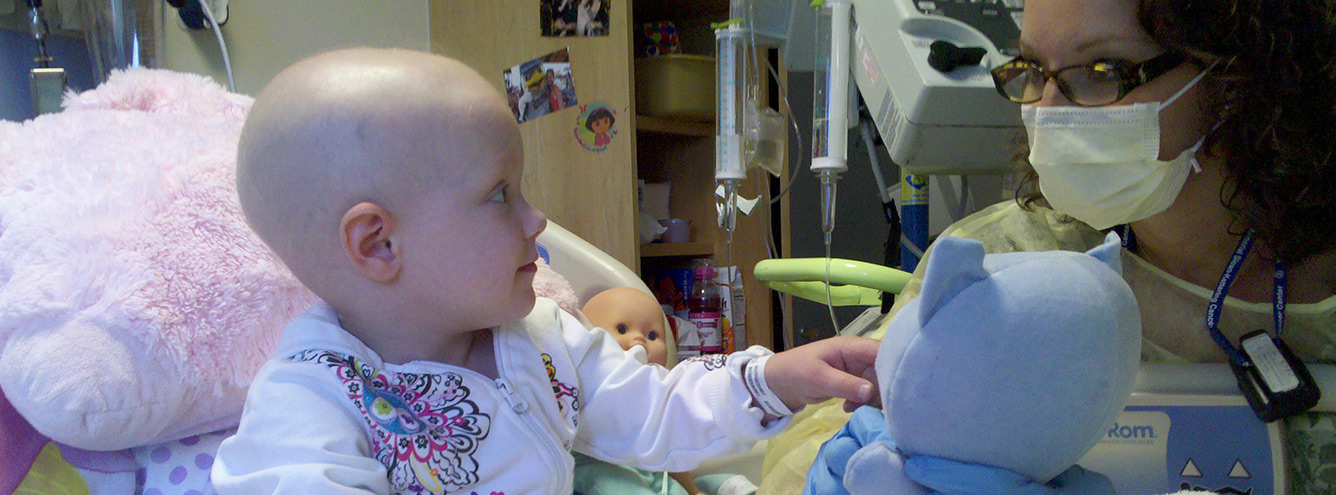
A child life specialist uses a toy cat with removable eye to help a young girl receiving chemotherapy cope with eye removal and artificial eyes.

Give hope - DONATE NOW!

Multidisciplinary Team and Tumour Board

Your child will receive the best retinoblastoma care at a hospital with a group of professionals who work together to plan and provide specialist care.


Because this group represents different healthcare specialties, they are collectively called a multidisciplinary team (MDT).

A group of people in medical attire — scrubs, lab coats, etc. — stand in a circle with their hands meeting at the centre in an “all-in” gesture. The photo is taken from below, looking up at the hands.

People in the Multi-Disciplinary Team (MDT)

The retinoblastoma MDT will be led by:

  • An ocular oncologist: an ophthalmologist (eye specialist) who specialises in eye cancer.  This person will ideally also specialise in paediatric ophthalmology (children’s eye care).
  • A paediatric oncologist: a children’s doctor who specialises in treating cancer with medicines like chemotherapy.

Both should be familiar with retinoblastoma, and work together to plan and deliver care.  When cancer is contained in the eye, the ophthalmologist leads the medical team.  If cancer spreads outside the eye, the paediatric oncologist will lead the team.

A retinoblastoma MDT will also include all or some of the following people (click the tab to learn more about each specialist):

Retinoblastoma Care Co-ordinator

At many retinoblastoma treatment centres, care is co-ordinated by a single member of the MDT.  The Care Co-ordinator helps families prepare for appointments, procedures, treatments, and medical consultations.  They focus on personalised care, often supporting families emotionally while working with colleagues and outside agencies to address patient and family needs.  This role is usually held by the Clinical Nurse Specialist or orthoptist.

Clinical Nurse Specialist (CNS)

An expert nurse who specialises in a particular diagnosis or medical specialty, such as eye care, children’s cancer, or retinoblastoma specifically. A key member of the MDT, the CNS supports patient families from diagnosis through treatment and follow-up care.

This includes nursing care (such as managing symptoms and treatment side effects), case management (such as treatment planning and coordination), and liaison (such as providing emotional support and health education to families, and collaboration with other medical and research teams.

Orthoptist

Toggle Content goes here

Optometrist

Toggle Content goes here

Genetic Counsellor

Toggle Content goes here

Psycho-Oncologist

Toggle Content goes here

Child Life or Hospital Play Specialist

Toggle Content goes here

Oncology Social Worker

Toggle Content goes here

Pathologist

Toggle Content goes here

Radiologist

Toggle Content goes here

Interventional Radiologist

An imaging specialist who uses techniques like ultrasound and x-ray to guide treatment delivery. They perform catheterization to deliver intra-arterial chemotherapy into the eye.

Radiation Oncologist

Toggle Content goes here

Dietitian

Toggle Content goes here

Ocular Prosthetist (artificial eye maker)

Toggle Content goes here

The MDT and Research

As well as improving patient care, the multi-disciplinary team builds a stronger bridge between clinical care, basic science research, and clinical research.

Evidence-based retinoblastoma care begins with real-world patient and family needs.  They stimulate meaningful scientific research and rigorous clinical studies to improve care.  The combined expertise and observational power of the MDT supports this Bedside-to-Bench-to-Bedside cycle of progress.

The Tumour Board / MDT Meeting

Members of the Multi-Disciplinary Team meet regularly to discuss individual patients; usually weekly, fortnightly or monthly.  Frequency varies between hospitals, depending on the number of patients they care for.

This group meeting is called a “Tumour Board” (common in North America) or “MDT Meeting” (common in the UK).  For clarity, we refer here to the meeting as the Tumour Board, and the diverse group of specialists involved in care as the MDT.

Every newly diagnosed child is discussed at the Tumour Board.  Their case will be re-presented for further discussion when tumours relapse or new tumours grow, and when major decisions are being made about their care.

The multi-disciplinary team will use their collective expertise to review EUA findings, imaging, and results of other assessments.  They will consider your child’s specific circumstances and individual needs to recommend a treatment and supportive care plan.

Children may be discussed by multiple teams, particularly if they receive eye care at one hospital, and oncology care at a different hospital.  For example, a child’s case may be reviewed by the retinoblastoma tumour board.  If chemotherapy is recommended, the medical oncologist may also present the child for discussion at their paediatric oncology tumour board.

In some countries, retinoblastoma centres collaborate to enhance patient care.  This collaboration may include a regular national or international tumour board, where specialists jointly review and discuss patients from across the different hospitals in their partnership.

The Tumour Board structure includes several key roles (click the tab to read more about each):

Tumour Board Lead

At many retinoblastoma treatment centres, care is co-ordinated by a single member of the MDT.  The Care Co-ordinator helps families prepare for appointments, procedures, treatments, and medical consultations.  They focus on personalised care, often supporting families emotionally while working with colleagues and outside agencies to address patient and family needs.  This role is usually held by the Clinical Nurse Specialist or orthoptist.

Tumour Board Coordinator

An expert nurse who specialises in a particular diagnosis or medical specialty, such as eye care, children’s cancer, or retinoblastoma specifically. A key member of the MDT, the CNS supports patient families from diagnosis through treatment and follow-up care.

This includes nursing care (such as managing symptoms and treatment side effects), case management (such as treatment planning and coordination), and liaison (such as providing emotional support and health education to families, and collaboration with other medical and research teams.

Ocular Oncologist

Toggle Content goes here

Paediatric Oncologist

Toggle Content goes here

Clinical Nurse Specialist (CNS)

An imaging specialist who uses techniques like ultrasound and x-ray to guide treatment delivery. They perform catheterization to deliver intra-arterial chemotherapy into the eye.

Some of the key points considered at the Tumour Board include:

  • Your child’s age and general health.
  • Whether cancer is in one or both eyes.
  • Number, size, and location of tumours within the eye.
  • Whether cancer has spread, or is likely to spread, beyond the eye.
  • Any national or international treatment guidelines.
  • Previous treatment and any complications.
  • Potential barriers to treatment.
  • Family history of retinoblastoma.

The recommended plan will then be discussed with you during a follow up clinic appointment or telephone call.

Questions to Ask

  • Does your hospital have a retinoblastoma multidisciplinary team?
  • Who is on your retinoblastoma MDT?
  • Who attends the MDT meeting / Tumour Board?
  • How often will the Tumour Board discuss my child’s care?
  • Does the hospital participate in a wider Tumour Board with other retinoblastoma specialists? What are the details?
  • Who will represent me / my child’s welfare at the Tumour Board?
  • How will I be told what is discussed and recommended for my child?

Treatment Plan and Care Pathway

You may hear the term “care pathway” as your child goes through diagnosis, treatment, and follow-up care.  This is different from a patient’s individual treatment plan.  Read more about the treatment plan and care pathway.

Give life and sight to a child with eye cancer today

DONATE
Share this page
  • Share on Facebook
  • Share on X
  • Share on WhatsApp
  • Share on Pinterest
  • Share on LinkedIn
  • Share on Tumblr
  • Share by Mail
  • Link to Instagram
  • Retinoblastoma Overview
    • How the Eye Works
    • Retinoblastoma Biology
    • Unilateral Retinoblastoma
    • Bilateral Retinoblastoma
    • Extraocular Retinoblastoma
    • Trilateral Retinoblastoma
    • Genetics of Retinoblastoma
    • Global Incidence
    • Signs and Symptoms
    • Referral and Diagnosis
    • Treatments
    • Care After Treatment
    • Prognosis
    • Retinoblastoma Glossary
  • Know the Glow
    • Fundal (Red Eye) Reflex and Red-Eye Reduction
    • White Eye Reflex
    • Photo Challenge
    • White Eye and Rb
    • White Eye after Rb Diagnosis
    • White Eye and Adults
    • PhotoRED Technique
    • Next Steps
    • Examining the Fundal / Red Reflex
  • Medical Care
    • Questions to Ask the Medical Team and Yourself
    • Diagnosis and Staging
      • Staging Systems
      • Multidisciplinary Team and Tumour Board
      • Treatment Plan and Care Pathway
      • Hospital Packing Tips
    • Retinoblastoma Genetics
      • Rb Genetics Explained
      • Mosaic Mutations
      • MYCNA Retinoblastoma
      • Genetic Counseling
      • Genetic Testing
      • Genetic Test Results
      • Pre-implantation Genetic Diagnosis (PGD)
      • Genetics Glossary
    • A Therapeutic Alliance
      • Your Child’s Doctors
      • Good Communication
      • Resolving Conflict
      • Second Opinions
      • Changing Doctors
      • Medical Staff
    • Medical Procedures
      • Informed Consent
      • Procedure Pain
      • Blood Draw
      • Bone Marrow Aspiration
      • Bone Scan
      • Chest X-ray
      • CT Scan
      • Echocardiogram
      • EUA
      • Eye Pressure Test
      • General Anaesthetic
      • Hearing Tests
      • Inserting an IV
      • Intrathecal Injection
      • Lumbar Puncture
      • MRI Scan
      • Radionuclide GFR
      • Subcutaneous Injection
      • Taking a Temperature
      • Transfusion
      • Ultrasound of the Eye
      • Vision Testing
      • Vision Testing – Support Your Child
      • Vision Testing – Just For Kids!
    • Treatment
      • Risk of Under-Treatment and Over-Treatment
        • Reduce Risk of Under-Treatment and Over-Treatment
      • Treatment Decision Making Guide
        • Step 1 – Acknowledge Your Thoughts and Feelings
        • Step 2 – Understand Your Decision-Making Style
        • Step 3 – Find Your Expert Team
        • Step 4 – Understand Shared Decision Making and Informed Consent
        • Step 5 – Set an Intention to Make Balanced Decisions
        • Step 6 – Learn About Retinoblastoma
        • Step 7 – Evaluate Your Options
        • Step 8 – Consider Your Values and Goals
        • Step 9 – Manage Disagreement and Conflict
        • Step 10 – Make Your Decision
        • Step 11 – Review Your Decision
        • Step 12 – Support Your Child and Yourself
        • Review the 12 Decision Making Steps
      • Enucleation
        • Making the Decision
        • Eye Removal Surgery
        • Orbital Implants
        • Types of Orbital Implant
        • Side Effects
        • Pathology
        • After Surgery
        • Coping with Other People
        • Artificial Eyes
        • Artificial Eye Care
      • Focal Therapy
        • Laser
        • Cryotherapy
        • Periocular Chemotherapy
        • Intravitreal Chemotherapy
      • Chemotherapy
        • Chemotherapy for Rb
        • Intra-Arterial Chemotherapy
        • Regimens and Protocols
        • During Treatment
        • Central Venous Catheter
        • CVC Care and Risks
        • Blood Test Results
        • When to Call the Doctor
      • Radiation Therapy
        • Radioactive Plaque
        • Coping With Isolation
        • Radiotherapy
        • Radiotherapy Planning
        • Treatment Process
        • EBRT Side Effects
        • Ask the Doctor
      • Transplant
        • Types of Transplant
        • Transplant Process
        • Coping With Transplant
        • Complications
        • Long-term side effects
        • Ask the Doctor
      • Side Effects
        • Low Blood Counts
        • Pneumonia and Chickenpox
        • Protect Your Neutropaenic Child
        • Pets and Infection Risk
        • Fatigue
        • Pain
        • Hair Loss
        • Nausea and Vomiting
        • Taste Changes
        • Oral Care
        • Skin and Nails
        • Diarrhoea
        • Constipation
        • Bed Wetting
        • When to Call the Doctor
      • Occlusion Therapy (Eye Patching)
        • Introduction to Eye Patching
        • Preparing to Patch
        • Support Your Patching Child
        • Eye Patching – Just For Kids!
    • Clinical Research
      • Clinical Research Introduction
      • Clinical Research Phases
      • Protocol Document
      • Monitoring and Safety
      • Rb Clinical Research
      • Informed Consent
      • Ask the Investigator
      • Ethnography Research
      • Patient-Led Research – A New Approach
      • Patient-Led Research – Challenges and Development
    • Surviving Hospital
      • Advocate for Your Child
      • Packing for Hospital
      • Hospital Life
      • Your Child’s Space
      • Record Keeping
      • Recreation
    • International Care
      • Contacting Doctors
      • Finances and Fundraising
      • Travel and Housing
      • Questions to Ask
    • End of Treatment
      • Celebration
      • Follow Up Care
      • Follow Up Schedule
      • Life-Long Follow Up
      • Removing the Central Line
      • A New Normal
      • Relapse
      • Second Primary Cancers
      • Symptoms of Second Primary Cancers
      • Ask the Doctors
    • End of Life Care
      • Changing Treatment Goals
      • Palliative Care
  • Child Life
    • Child Life is More Than Play
      • The Art of Child Life
    • Procedure Support
      • Stay Calm
      • Make a Plan
      • Medical Play
      • Distraction Play
      • Comfort Positions
      • Giving Eye Drops
      • Support for Needle Procedures
      • Anaesthetic Induction
      • Preparing for Surgery
      • Preparing for Enucleation
      • Imaging Scans
      • HandWashing for Kids
      • Reduce Face Touching
    • Pain Management
      • Know the Signs of Pain
      • Manage Pain
      • Mind-Body Strategies
    • Living With a Special Eye
      • Before Enucleation
      • Going to the Ocularist
      • Making an Artificial Eye
      • Handling the Special Eye
      • Keeping the Eye in Place
      • The Young Child Living With a Special Eye
      • The Older Child Living With a Special Eye
      • When There Is No Eye
    • Psychological Support
      • Reduce Your Stress
      • Infant Massage Training
      • Talking With Kids About Vision Loss
      • Talking About Vision Loss – For Kids!
      • Support and Encourage
      • Coping With Difference
      • Worry Eaters Guide
      • Personal Story Books
      • Youth Retinoblastoma Support at Upopolis
      • Camp Sunshine Rb Week
      • Activities for Isolating With Children
      • Post-Traumatic Stress Disorder in Childhood Cancer
  • Living With Retinoblastoma
    • Children
      • Children Learn From You
      • Sibling Responses
      • Support Siblings
      • Communicate
      • Reduce Stress
      • Tantrums
      • Discipline
    • Parents
      • Emotional Responses
      • Manage Anger
      • Depression and PTSD
      • Look After Yourself
      • Relationships
      • Sharing the News
      • Update People
      • Seek and Accept Help
    • Grandparents
      • Genetic Implications
      • How You Can Help
      • Look After Yourself
    • School Life
      • Effects of Treatment
      • Preparing For School
      • School Activities
      • Artificial Eye Care
      • Infection Control
      • Older Children
      • Advice for Teachers
    • Eye Care
      • Prevent Eye Injury
      • First Aid for the Eyes
      • Nutrition for the Eyes
    • Bereavement
      • End Of Life Care
      • Before the Funeral
      • Acts of Remembrance
      • Parental Grief
      • Sibling Grief
      • Carrying the Torch
    • Focus on Hope
      • False Hope
      • Encourage Hope
      • The First Alphabet of Hope
      • Alphabet of Hope 2018
      • Alphabet of Hope 2019 – #LifeBeyondRb
      • Alphabet of Hope 2020 – #FamilyInSight
      • Alphabet of Hope 2021 – #MindAndBody
      • Alphabet of Hope 2022 – #RbCare
      • Alphabet of Hope 2023 – #RbResearch
      • Alphabet of Hope 2024 – #RbEarlyDiagnosis
      • Alphabet of Hope 2025-2026 – #RbChildLife
  • Family and Friends
    • Practical Support
    • Emotional Support
    • Financial Support
    • Giving Gifts
    • Help From Young Friends
    • Words That Help
    • Words That Harm
    • Help During the Holidays
  • Through Our Eyes
    • RAE of Hope
    • Unilateral Rb
      • John (Kenya)
      • Rati (Botswana)
      • Connor (Canada)
      • Ewan (England)
      • Rowan (USA)
      • Bisrat S (Ethiopia)
      • Alexa (Ireland)
      • Linda (Kenya)
      • Lele (China)
      • Katelyn (USA)
      • Jordan (USA)
      • Danielle (Canada)
      • Bright (Cameroon)
    • Bilateral Rb
      • Daisy (UK)
      • Aidan (Canada)
      • Libby and Ella (USA)
      • Angie, Kieran and Cameron (UK)
      • Bisrat E (Ethiopia)
      • Abby (USA)
      • Brady (USA)
      • Sera (Fiji)
      • Katy and Harry (UK)
      • Hope (South Africa)
      • Ross Richard (USA)
      • Bella (Philippines)
      • Peter (Kenya)
      • Jaymee (Australia)
      • Ella Nina (Burundi)
      • Ernest (Kenya)
    • Extraocular Rb
      • Rati (Botswana)
      • Ross Richard (USA)
      • Bella (Philippines)
      • Sera (Fiji)
      • Ella Nina (Burundi)
      • Ernest (Kenya)
      • Bright (Cameroon)
    • Trilateral Rb
      • Libby and Ella (USA)
  • Other Organizations
    • Rb Communities on Social Media
    • Retinoblastoma Organizations
    • Childhood Cancer
    • General Cancer Support
    • Emotional Support
    • Financial Support
    • Transport Providers
    • Hospital Housing
    • Support for Children
    • Support for Siblings
    • Support for Survivors
    • Cancer Camps
    • Wish Granting
    • Disability Support
    • Bereavement Support
Give Hope - Donate Now text in white on a sunny orange gold button background that fades into red, colours reflecting the WE C Hope logo.
Subscribe to Visions of Hope - text in white on a vibran yellow button background that fades into sunny orange gold, colours reflecting the WE C Hope logo.

Retinoblastoma

  • Retinoblastoma Overview
  • Know the Glow
  • Medical Care
  • Child Life Support
  • Living With Retinoblastoma
  • Through Our Eyes

Canada

Special fund at the University Health Network

Who We Are

  • Vision, Mission and Values
  • Our History
  • Daisy and Rati
  • Meet Our Team
  • Contact Us

UK

Registered Charity #: 111-11-33

What We Do

  • One Rb World
  • Rati’s Challenge
  • Awareness Campaigns
  • World Rb Week
  • Supporting Families
  • WE C Hope Blog

USA

501(c)(3) National Non Profit - EIN: 45-4886827

Get Involved

  • Subscribe to Visions of Hope eNews
  • How Your Money Helps
  • Donate Now
  • Fundraise
  • Corporate Partnerships
  • Volunteer

Kenya Partner

Kenya Childhood Cancer Trust
  • FaceBook
  • instagram
  • linkedin
  • youtube
© Copyright 2023 - WE C Hope | Disclaimer | Terms & Conditions | Privacy Policy
Scroll to top Scroll to top Scroll to top
Translate »